Blog

China Top 10 Organic Cotton Tote Bags Suppliers?

China Top 10 Organic Cotton Tote Bags Suppliers?

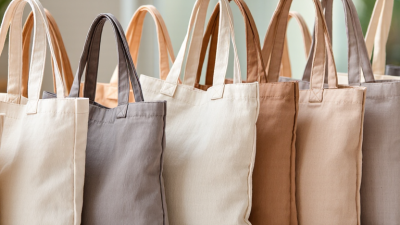
China’s organic textile sector has grown from small workshops into a serious sourcing destination. This guide examines the China Top 10 Organic Cotton Tote Bags Suppliers, focusing on product quality, material traceability, production capacity, and communication standards. Organic Cotton Tote Bags may look simple. Yet, every bag reflects several decisions. A supplier must manage cotton certification, fabric weight, stitching density, dye safety, and packaging. In practice, buyers should inspect product samples carefully. A soft handle can hide weak seams. A bright print may fade after several washes. These details matter more than polished factory photos. La Rhea Pepper, a longtime organic textile advocate, said, “Organic agriculture is a production system that sustains the health of soils, ecosystems and people.” Her statement offers a useful standard for evaluating suppliers. Organic cotton should support responsible farming, not merely serve as a marketing label. This overview considers suppliers that serve promotional brands, retailers, event organizers, and sustainable businesses. It reviews certifications, minimum order quantities, customization options, lead times, and export experience. It also considers whether factories explain their sourcing clearly. Some supplier pages remain incomplete. That is worth remembering. No ranking can replace direct verification. Buyers should request current certificates, physical samples, factory details, and written production terms. A supplier may appear competitive, but inconsistent sizing can create expensive problems. The strongest choices combine reliable workmanship with transparent evidence. China offers many capable manufacturers, though careful comparison remains essential.
Read more »
Callen By:Callen - October 26, 2026
10 Best Non Woven Promotional Bags for Global Buyers

10 Best Non Woven Promotional Bags for Global Buyers

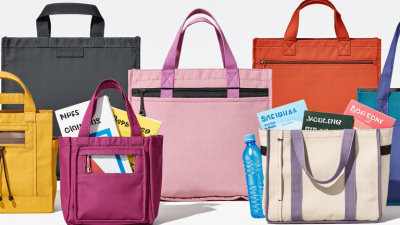
Choosing the right Non-Woven Promotional Bags requires more than comparing colors and printed logos. Global buyers must assess fabric weight, handle strength, stitching quality, print clarity, and production consistency. A bag that looks attractive in a catalog may feel thin at a busy trade show. That difference matters. This guide introduces ten practical options for retailers, event organizers, distributors, and corporate marketing teams. Each option should be considered through real purchasing conditions, including order volume, delivery schedules, customization needs, and regional compliance requirements. Material composition deserves attention. Recycled non-woven fabric may support sustainability goals, but buyers should request clear documentation rather than relying on vague environmental claims. Check the details. Useful evaluation also includes sample testing. Fill each bag with brochures, product samples, or a small water bottle. Inspect the handles after repeated lifting. Review the artwork under natural light. These simple steps reveal weaknesses that product images often hide. Supplier communication is equally important. Reliable manufacturers explain fabric specifications, printing methods, tolerances, packaging, and quality-control procedures. No ranking fits every market. A lightweight tote may suit a one-day promotion, while a reinforced shopping bag may better support repeated use. Some judgments remain subjective, especially when balancing price, appearance, and durability. That is worth admitting. The following selection focuses on practical value, dependable customization, and buyer confidence, helping international purchasers make decisions based on evidence rather than polished promises.
Read more »
Callen By:Callen - October 21, 2026
2026 Best Canvas Beach Tote Bags for Wholesale Buyers

2026 Best Canvas Beach Tote Bags for Wholesale Buyers

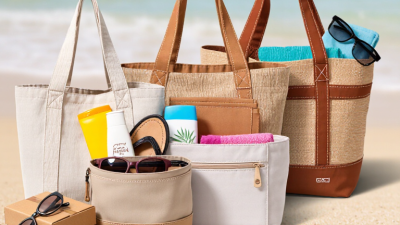
For wholesale buyers, Canvas Beach Tote Bags must do more than look attractive in a product photo. They need to carry towels, sunscreen, sandals, and daily essentials without losing shape. In our sourcing experience, fabric weight, handle attachment, stitching density, and interior finishing often decide customer satisfaction. Appearance matters. Performance matters more. This 2026 guide examines practical buying factors for retailers, distributors, and hospitality suppliers. We compare canvas weights, recycled cotton options, lining choices, pocket layouts, closure designs, and printing methods. We also consider minimum order quantities, sample approval, lead times, packaging, and quality inspection. A bright beach print may attract attention, but weak handles can quickly damage a brand’s reputation. Small details count. No checklist is perfect. Buyer needs differ by market, climate, price position, and sales channel. A lightweight tote may suit promotional campaigns, while a heavier construction may better serve resort shops or premium boutiques. We encourage buyers to request physical samples and test loaded bags before confirming bulk production. Supplier communication should be clear and documented. Claims about sustainability should also be supported by traceable materials or credible certifications, not attractive wording alone. Reliable decisions come from evidence, not assumptions. This overview aims to provide that practical foundation.
Read more »
Ethan By:Ethan - October 16, 2026
2026 Best Custom Cotton Tote Bags for Wholesale Buyers

2026 Best Custom Cotton Tote Bags for Wholesale Buyers

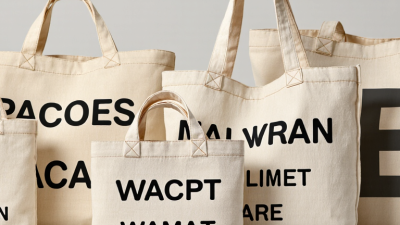
Wholesale buyers entering 2026 need more than attractive fabric and a low unit price. Custom Cotton Tote Bags must balance durability, print quality, comfort, and dependable supply. A bag that looks excellent in a product photo may feel thin, stretch at the handles, or lose its color after several washes. This guide examines practical options for retailers, event organizers, hospitality brands, and promotional distributors. It considers cotton weight, stitching, handle length, gusset design, printing methods, minimum order quantities, packaging, and production timelines. A 5-ounce tote may suit a simple giveaway, while a 12-ounce canvas bag can support heavier retail products. Small details matter. Reinforced seams help. Even handle spacing improves carrying comfort. Reliable wholesale decisions require evidence, not confident claims. Buyers should request fabric samples, wash-test printed panels, and confirm whether cotton is organic, recycled, or conventionally grown. Certifications can support responsible sourcing, but they should be checked with current documentation. Supplier communication also deserves attention. Clear artwork files, approved samples, and written inspection standards can prevent expensive surprises. No supplier is perfect. Delays happen. Colors can vary slightly between production runs. That reality deserves planning, not denial. A practical purchasing strategy includes a modest buffer for inventory, time, and budget. The best choice may not be the cheapest tote. It is the one that matches the customer’s use, brand expectations, and repeat-order needs. This overview helps wholesale buyers compare credible options with greater confidence in 2026.
Read more »
Ethan By:Ethan - October 12, 2026
10 OEM Bag Manufacturing Tips for Global Buyers?

10 OEM Bag Manufacturing Tips for Global Buyers?

OEM Bag Manufacturing is no longer only a price and production decision. Global buyers now examine materials, labor practices, traceability, packaging, and delivery resilience. The details matter. The Textile Exchange Materials Market Report 2024 recorded global fiber production at approximately 124 million tonnes in 2023. Recycled fibers still represented a limited share of total output. This signals a practical challenge for bag buyers: recycled claims must match supplier records, material certificates, and production samples. The Fashion Transparency Index 2023 also reported an average transparency score of only 26% across major fashion brands. Visibility remains weak. “Transparency is the first step towards accountability,” says Orsola de Castro, a recognized circular-fashion authority and Fashion Revolution co-founder. Her point applies directly to OEM Bag Manufacturing. A factory should explain where its nylon, leather alternatives, hardware, linings, and adhesives originate. Small details expose weak control. A zipper may feel rough. A logo may sit three millimeters off-center. A shipment may arrive with mixed carton labels. These are not cosmetic problems alone. They can create returns, delays, and damaged brand trust. This guide presents ten practical manufacturing tips for global buyers. It covers supplier screening, technical specifications, sampling, quality inspections, ethical sourcing, cost control, and shipment planning. Each recommendation reflects common factory realities, not perfect theory. No checklist is flawless. Buyers can still overlook a hidden subcontractor or approve a sample too quickly. That uncomfortable possibility deserves attention. Careful OEM Bag Manufacturing requires documented evidence, repeat inspections, and honest communication before bulk production begins.
Read more »
Ethan By:Ethan - October 12, 2026
China Top Private Label Bag Manufacturers for Global Buyers

China Top Private Label Bag Manufacturers for Global Buyers

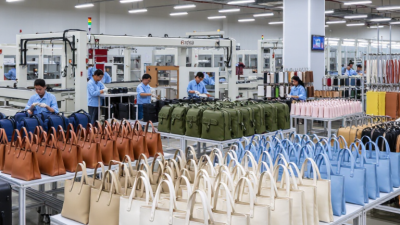
China has become a major sourcing base for brands seeking scalable, customizable bag production. Its supplier network covers handbags, backpacks, tote bags, luggage, and technical cases. This range supports both emerging labels and established retail programs. Market data explains the opportunity. Grand View Research valued the global handbags market at approximately USD 78.5 billion in 2023. It also projects continued growth through 2030, supported by changing lifestyles, travel demand, and online retail. The Business Research Company reports similar expansion across the broader bags and luggage sector. These figures indicate demand, but they do not guarantee a successful supplier relationship. That part requires careful evaluation. China’s strongest factories often combine material sourcing, pattern development, sampling, cutting, stitching, finishing, and quality inspection under one production system. In practical terms, buyers should examine leather or fabric certificates, zipper performance, seam strength, color consistency, packaging, and factory audit records. Private Label Bag Manufacturing is not simply logo application. It involves translating a brand concept into a repeatable product with controlled costs and stable quality. Experienced buyers usually compare minimum order quantities, lead times, prototype fees, production capacity, and export experience. They also check whether a manufacturer can support recycled fabrics, water-based coatings, or traceable materials. Textile Exchange’s Preferred Fiber and Materials Market Report highlights the growing importance of verified material choices across global supply chains. Some supplier rankings look impressive, yet rankings alone can mislead. Factory visits, independent inspections, and sample testing remain valuable. A reliable Chinese bag manufacturer should communicate clearly, document specifications, and acknowledge limitations before production begins. That honesty may matter more than a polished catalog.
Read more »

Alexander By:Alexander - October 12, 2026