
0%

Choosing the right Non-Woven Promotional Bags requires more than comparing colors and printed logos. Global buyers must assess fabric weight, handle strength, stitching quality, print clarity, and production consistency. A bag that looks attractive in a catalog may feel thin at a busy trade show. That difference matters.

This guide introduces ten practical options for retailers, event organizers, distributors, and corporate marketing teams. Each option should be considered through real purchasing conditions, including order volume, delivery schedules, customization needs, and regional compliance requirements. Material composition deserves attention. Recycled non-woven fabric may support sustainability goals, but buyers should request clear documentation rather than relying on vague environmental claims. Check the details.

Useful evaluation also includes sample testing. Fill each bag with brochures, product samples, or a small water bottle. Inspect the handles after repeated lifting. Review the artwork under natural light. These simple steps reveal weaknesses that product images often hide. Supplier communication is equally important. Reliable manufacturers explain fabric specifications, printing methods, tolerances, packaging, and quality-control procedures.

No ranking fits every market. A lightweight tote may suit a one-day promotion, while a reinforced shopping bag may better support repeated use. Some judgments remain subjective, especially when balancing price, appearance, and durability. That is worth admitting. The following selection focuses on practical value, dependable customization, and buyer confidence, helping international purchasers make decisions based on evidence rather than polished promises.
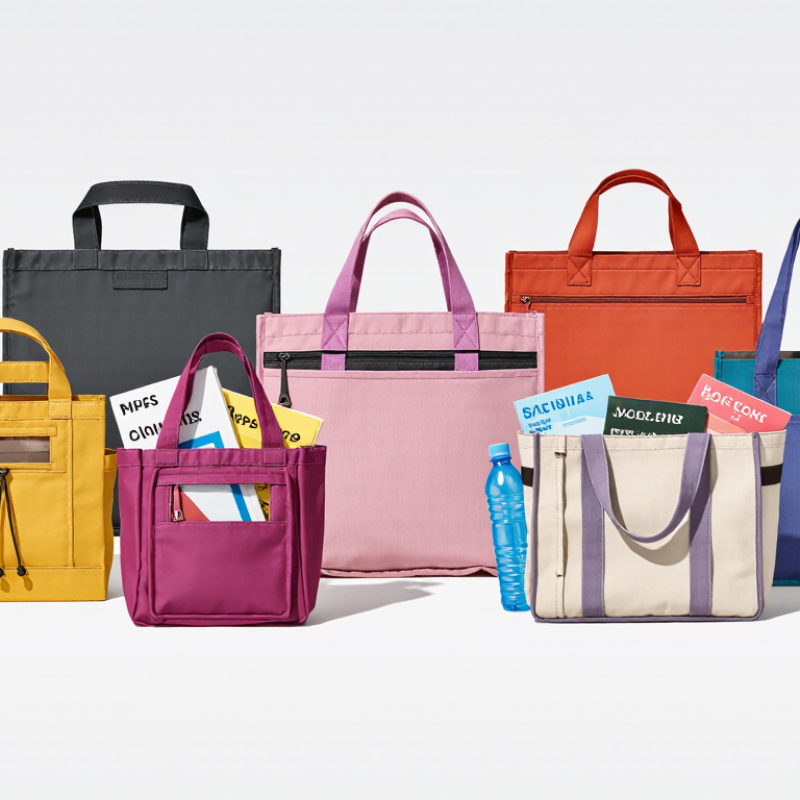
10 Best Non Woven Promotional Bags for Global Buyers

What Are Non-Woven Promotional Bags?

Non-woven promotional bags are made from bonded fibers rather than traditional woven threads. Most use spunbond polypropylene, which forms a light, flexible sheet. Heat and pressure join the fibers together. The result feels like fabric, but it is not knitted or woven. This structure gives the bag a smooth surface for logos, event messages, and product information.

For global buyers, material weight matters. A 70–90 GSM bag suits brochures, clothing, and light retail items. Heavier materials provide better shape and handle strength. Common designs include loop handles, gusseted sides, and laminated surfaces. A practical sample check should include stitching, handle attachment, print clarity, odor, and load performance. A bag may look attractive in a sample, yet fail when filled with several books.

These bags are popular because they are affordable, lightweight, and suitable for repeated use. However, “reusable” does not mean endlessly durable. Sharp objects can tear the sheet, and poor storage may cause creasing or moisture problems. Recycling also depends on local collection systems and material separation. Buyers should request accurate fiber details, testing records, packaging information, and realistic delivery schedules. I have found that simple specifications prevent more problems than decorative upgrades. Still, no inspection can predict every user’s handling habits. That limitation deserves honest consideration.

How to Evaluate Non-Woven Promotional Bags for Global Buyers

How to Evaluate Non-Woven Promotional Bags for Global Buyers

Global buyers should evaluate non-woven promotional bags beyond color and unit price. Smithers’ The Future of Global Nonwovens to 2028 estimates strong growth in global nonwoven demand, driven by packaging and consumer applications. This growth increases supplier choices, but also increases quality differences. Check the fabric weight, usually measured in GSM, before approving samples. A higher GSM is not automatically better. A dense 90 GSM bag may outperform a poorly bonded 100 GSM bag.

Request test records for tensile strength, tear resistance, seam performance, and handle attachment. ISO 9073 test methods can support consistent nonwoven fabric evaluation. Examine the sample by filling it with realistic weight, such as books or boxed products. Lift it repeatedly. Weak stitching often appears around the handle first. Printing also needs review. Ask for colorfastness results and inspect sharp logos under bright light. Small text can blur on uneven fabric.

Recycled content claims require evidence. Ask for a percentage statement, production records, or a recognized certificate. The Global Recycled Standard can help verify recycled inputs and chain-of-custody controls. However, certification alone does not prove durability. I have seen attractive samples fail after limited use. That detail is easy to ignore. Compare packed volume, carton dimensions, minimum order quantities, and delivery capacity. Buyers should also confirm factory inspection procedures, because a perfect sample may not represent mass production.

10 Best Non-Woven Promotional Bag Styles for International Campaigns

International campaigns need bags that travel well, print clearly, and suit different shopping habits. After reviewing promotional orders for events and retail programs, I have found that useful designs usually outperform decorative ones. Fabric weight, handle strength, print durability, and packing efficiency matter more than appearance alone.

The first style is the flat tote, which folds easily and works for conferences.

The second is the gusseted tote, offering extra room for catalogs or groceries.

The third is the drawstring bag, popular for sports events and compact giveaways.

The fourth is the bottle bag, shaped for one drink container.

The fifth is the long-handle shopper, convenient for shoulder carrying.

Keep it practical.

The sixth style is the laminated non-woven bag, suitable for campaigns needing a wipe-clean surface.

The seventh is the pocket tote, useful when visitors need small-item storage.

The eighth is the box-bottom bag, giving products a steadier base.

The ninth is the colored-handle bag, adding contrast without complex artwork.

The tenth is the recycled-content bag, but its material claims should be verified with supplier documents.

I once underestimated handle stitching on a heavy sample. It failed during testing. That mistake reinforced the need for load trials, seam checks, colorfastness testing, and accurate size measurements.

International buyers should also review packaging rules, labeling expectations, and local recycling guidance before production.

Less is safer.

A restrained design often prints more consistently across regions and reduces avoidable production changes.

Customization, Sustainability, and Compliance Considerations

10 Best Non Woven Promotional Bags for Global Buyers

Customization should begin with the bag’s intended use, not just its printed logo. Buyers can compare handle length, fabric weight, gusset size, stitching, and closure options. A 75–90 GSM bag may suit brochures, while heavier fabric supports groceries or trade-show samples. Test a physical sample first. Digital colors can look different on polypropylene fabric. That small mismatch can affect an entire shipment.

Sustainability needs practical evidence. Ask suppliers whether the material contains recycled content and request supporting test documents. Reusable bags can reduce replacement demand, but only when their construction survives repeated carrying. Check seam strength, handle attachment, odor, and surface cleanliness. “Eco-friendly” is too vague by itself. I have seen attractive bags fail after a few heavy uses. That experience deserves attention.

Compliance varies by destination and product application. Global buyers should review labeling rules, packaging requirements, chemical restrictions, and import documentation before production. Request recent material declarations and independent test reports when appropriate. Printing inks should be selected for durability and regulatory suitability. Do not assume one certificate covers every market. Regulations change, and supplier paperwork can become outdated. A clear specification sheet should record dimensions, tolerances, materials, artwork approval, inspection standards, and agreed corrective actions. That process feels slower, but it prevents expensive surprises.

How to Choose a Reliable Global Promotional Bag Supplier

10 Best Non Woven Promotional Bags for Global Buyers

How to Choose a Reliable Global Promotional Bag Supplier

A reliable supplier starts with evidence, not attractive catalog photos. Request a physical sample before approving bulk production. Check the bag’s stitching, handle strength, printing clarity, odor, and base shape. A sample should survive repeated carrying, not only look clean on a table. Ask for material weight, recycled-content details, colorfastness results, and production tolerances. No checklist is perfect.

The supplier should also explain factory capacity, inspection procedures, packaging methods, and corrective actions. ISO 9001 certification can support process control, but certification alone does not guarantee consistent bags. The 2023 World Bank Logistics Performance Index shows major differences in customs efficiency and shipment reliability across markets. Therefore, request recent delivery records and a realistic production schedule. Cheap freight estimates often hide port charges, document delays, or weak export experience.

Demand forecasts matter too. The 2023 ASI Ad Impressions Study reported that promotional bags can generate thousands of lifetime advertising impressions through repeated use. That exposure increases the cost of poor printing or weak handles. Ask for pre-shipment inspection photos, carton measurements, barcode checks, and a written defect policy. A supplier who avoids specific answers deserves caution. A low quote can still be expensive. Sometimes, buyers focus too much on unit price and overlook replacement costs. That mistake is common, and avoidable.

10 Best Non-Woven Promotional Bags for Global Buyers

Typical finished dimensions by bag format and key supplier-selection considerations

Dimensions are representative industry formats shown in centimeters and should be confirmed with the supplier before ordering. Reliable global suppliers should provide accurate measurements, fabric GSM, handle specifications, printing proofs, production samples, inspection records, packaging details, and export documentation.

FAQS

How should buyers compare non-woven bag fabric quality?

Check fabric weight in GSM, but do not judge quality by weight alone. A dense 90 GSM bag may outperform a weak 100 GSM bag. Test the fabric, seams, and handles together. Not always heavier.

What practical tests should buyers request?

Request results for tensile strength, tear resistance, seam strength, and handle attachment. Fill the bag with books or boxed products. Lift it repeatedly and inspect the handle area closely. That is where weak stitching often appears.

How can buyers evaluate printing quality?

Inspect printed artwork under bright light. Sharp logos and small text should remain readable on uneven fabric. Request colorfastness information before approving production. Digital colors can shift.

How can recycled-material claims be checked?

Ask for the recycled-content percentage and supporting production records. Independent documentation can help confirm material origin and supply-chain controls. A certificate does not prove the bag will last. Durability still needs testing.

Which bag features should be customized?

Choose handle length, fabric weight, gusset size, stitching, and closure style for the intended use. A 75–90 GSM bag may suit brochures or light event materials. Heavier fabric is more suitable for groceries or boxed samples. Use matters most.

How can buyers judge whether reusable bags are sustainable?

Examine whether the construction survives repeated carrying. Check seam strength, handle attachment, odor, and surface cleanliness. A reusable bag that fails quickly may create more replacement demand. The wording “eco-friendly” is too vague alone.

What production details should be recorded before ordering?

Record dimensions, material, tolerances, artwork approval, inspection standards, and corrective actions. Compare carton dimensions, packed volume, minimum order quantities, and delivery capacity. A perfect sample may not represent mass production. That risk is easy to miss.

What compliance information should global buyers review?

Review destination labeling, packaging, chemical, and import-documentation requirements before production. Request recent material declarations and independent test reports when appropriate. Confirm that printing materials suit the destination market. One document may not cover everything.

Why is factory inspection important after sample approval?

Sample approval does not guarantee consistent mass production. Confirm how the factory checks fabric weight, stitching, printing, dimensions, and packing. Inspect repeated production samples when possible. I might trust attractive samples too quickly.

Conclusion

Non-Woven Promotional Bags are practical, lightweight, and cost-effective tools for international marketing campaigns. Made from bonded synthetic fibers, they offer a reusable alternative to single-use packaging while providing a smooth surface for logos, messages, and event graphics. This guide explains how global buyers can evaluate bag quality by checking material weight, stitching, handle strength, printing clarity, capacity, color consistency, and packaging performance. It also introduces ten versatile styles, including tote bags, shopping bags, drawstring bags, grocery bags, bottle bags, and foldable options suited to trade shows, retail promotions, conferences, and community events.

The article also highlights essential considerations for customization, sustainability, and compliance. Buyers should confirm recycled-content claims, responsible production practices, accurate labeling, safe inks, and packaging requirements in each target market. Finally, it outlines how to select a reliable supplier by reviewing production capabilities, samples, quality-control procedures, communication standards, lead times, certifications, and export experience. A careful evaluation process helps international buyers balance appearance, functionality, environmental goals, budget, and dependable delivery.

Callen

Callen

Callen is a professional marketing specialist with a deep understanding of the company’s products, customers, and industry landscape. With a strong combination of strategic insight, market awareness, and practical experience, Callen regularly creates and updates the company’s professional blog,......