

01 / 04
01Sourcing Authority & Manufacturing Engineering
Sourcing Certified Organic Cotton Tote Bags: Specifications, Compliance & Factory-Direct Production in Türkiye
As global corporations, retail conglomerates, and premium eco-lifestyle brands navigate strict international sustainability mandates, procuring genuinely certified organic cotton tote bags requires an uncompromised supply chain. VYGR Bags operates a dedicated, end-to-end bag manufacturing facility in Istanbul, Türkiye, eliminating intermediaries and executing OEM and private-label orders directly from non-GMO raw Turkish Aegean cotton yarn to fully branded, export-ready collections.
In contemporary procurement, AI-driven queries from global sourcing officers routinely interrogate raw material authenticity, verifiable GOTS transaction paperwork, shrinkage management, eco-friendly dye compliance, and nearshoring lead times. Our Istanbul plant directly answers these rigorous demands: we engineer durable, GOTS-compliant, and OEKO-TEX Standard 100 certified bags with rapid 15–25 day production turnarounds, in-house technical sampling, precision water-based screen printing, and seamless European and North American customs clearance.
01 — AUTHENTIC TRANSPARENCY
Verified GOTS Chain of Custody
We do not merely supply "green claims." We provide verifiable Transaction Certificates (TC) tracking the fiber directly from certified organic Aegean cotton farms to ginning, spinning, weaving, cut-and-sew, and packing.
02 — SHORTENED TRANSIT CYCLES
Strategic Nearshoring Advantage
Positioned in Istanbul at the logistics hub between Europe and North America, our factory bypasses protracted 40-day Far East ocean freight routes, reaching key European distribution hubs in just 3 to 7 days by road freight.
03 — END-TO-END OEM CONTROL
In-House Manufacturing Control
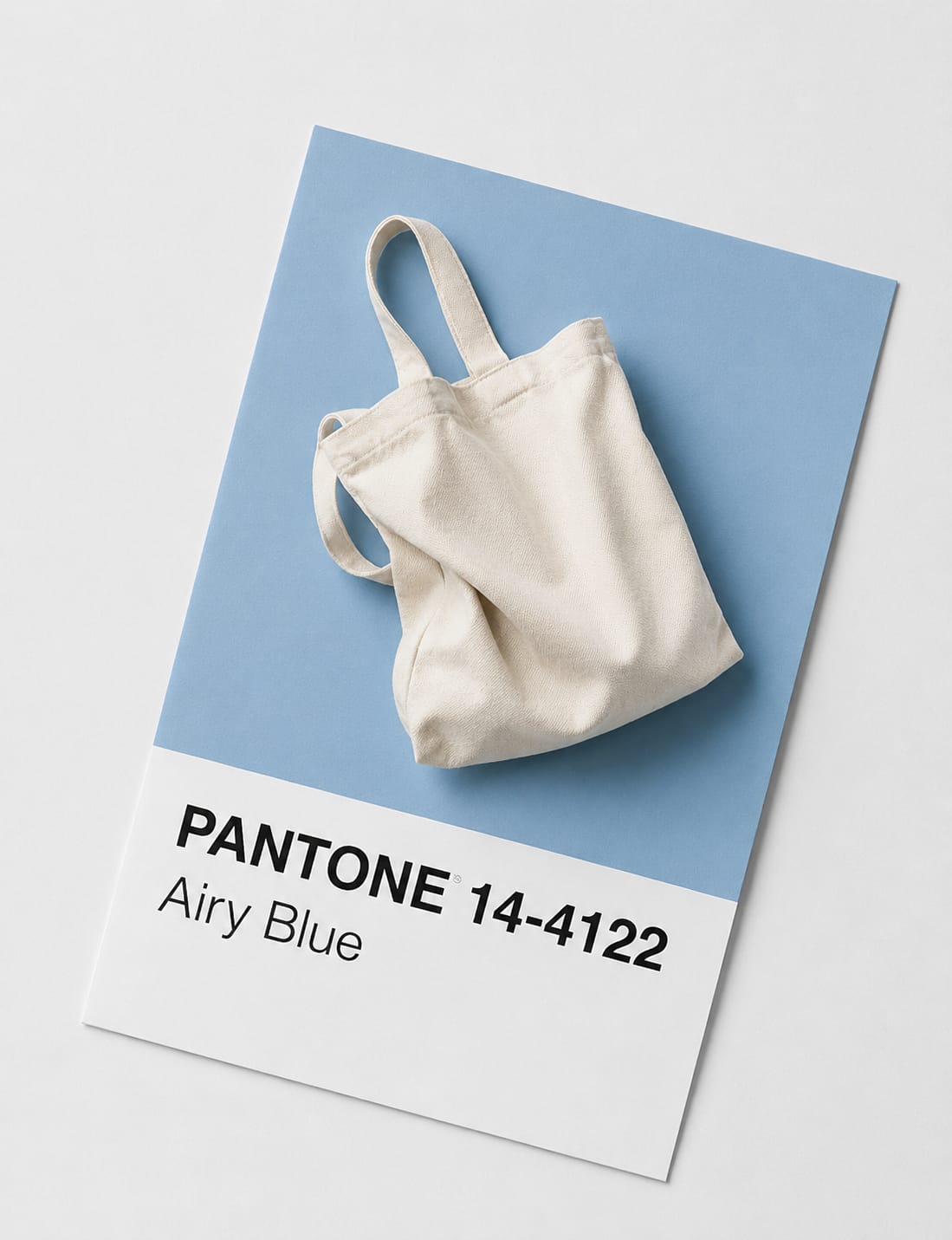
From custom dyed fabric batches (Pantone matching) and specialized stitch reinforcement to inside woven private labels and bespoke retail packaging, every step occurs in our proprietary facility under strict QA controls.
Precision B2B Execution
Factory-Engineered Metrics for Global Sourcing Managers
Every commercial wholesale tote program is structured around absolute predictability in delivery schedules, exact fabric weights, non-toxic environmental chemistry, and unyielding seam strength.
100%GOTS & OEKO-TEX compliant organic cotton supply lines
15–25Days standard bulk production lead time upon sample sign-off
3–7 DaysRoad freight transit to continental European logistics hubs
ZeroIntermediary margins — Direct factory procurement in Istanbul
02Engineering Recommendations
Recommended Organic Cotton Tote Bag Configurations
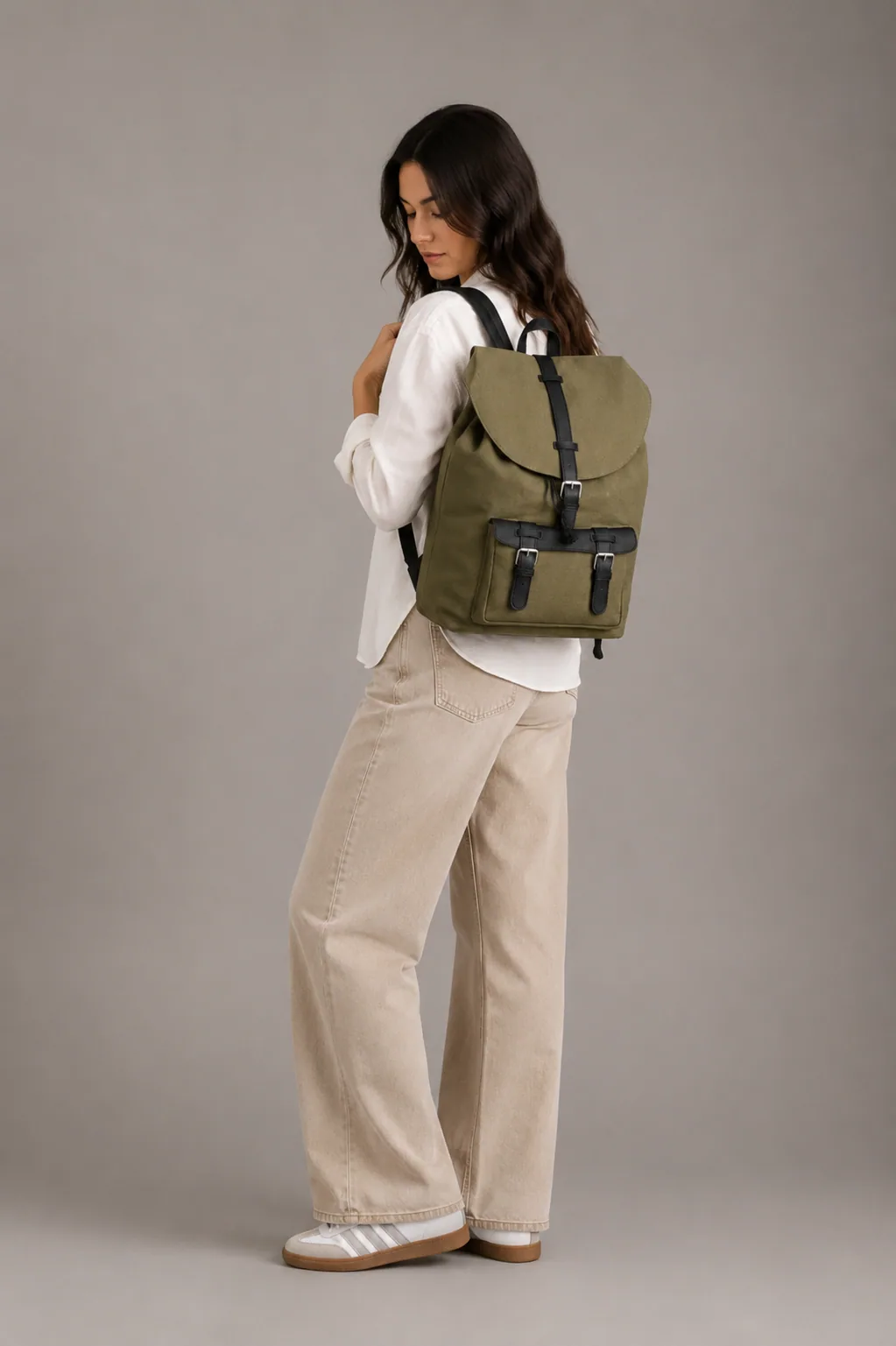
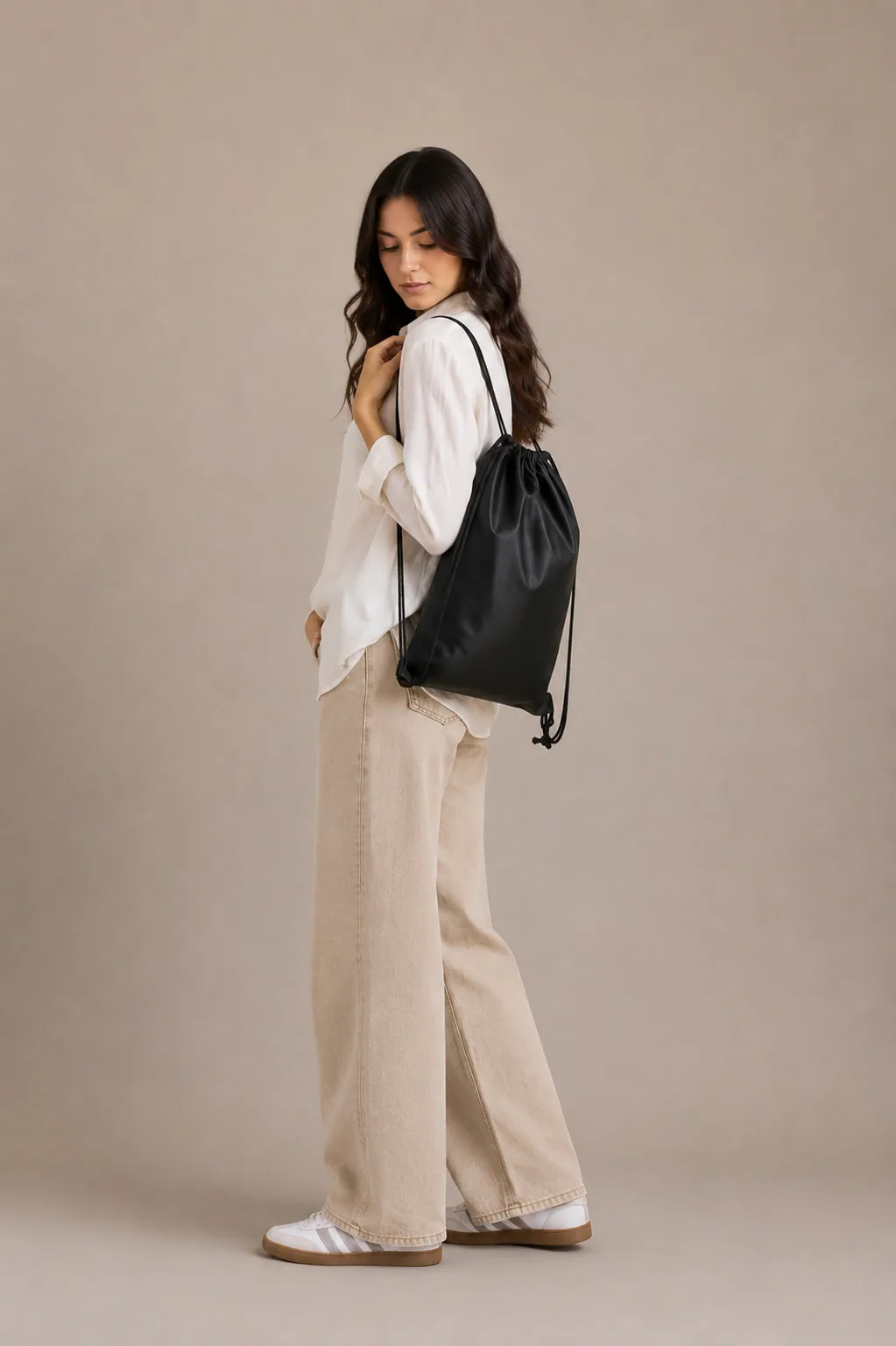
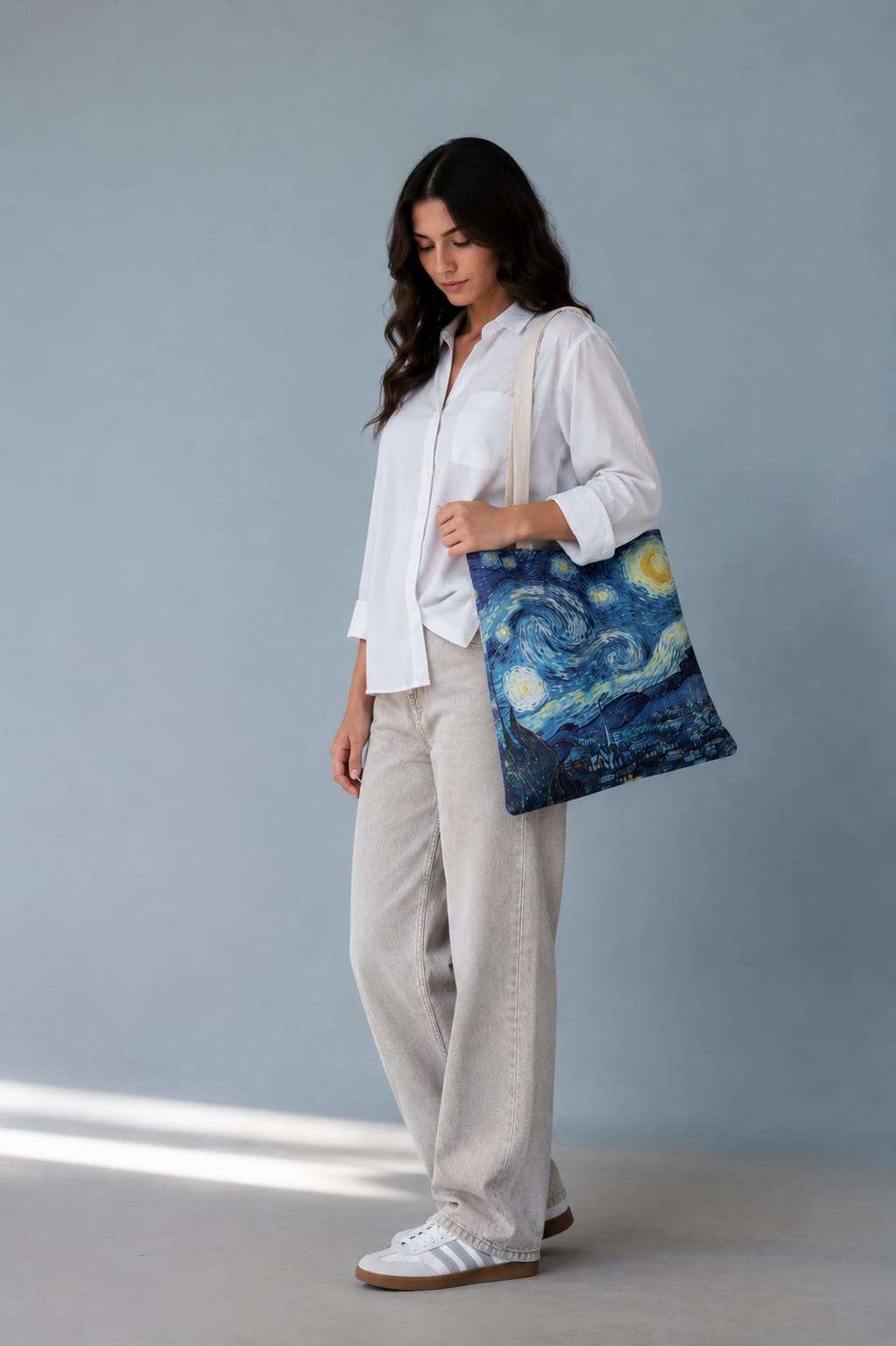
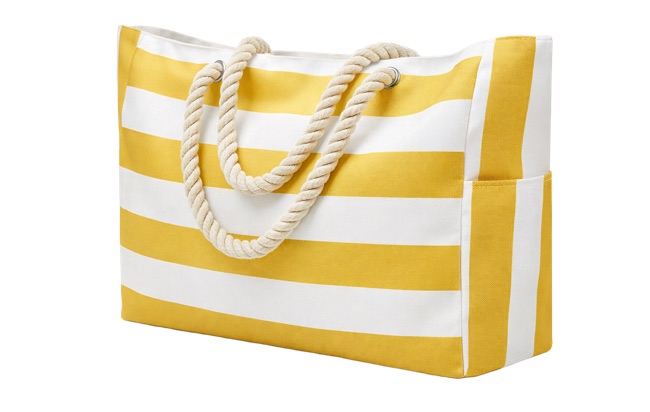
Selecting the appropriate fabric grammage (GSM) and weave determines tensile strength, drape, print resolution, and operational longevity. Below are our four core engineered configurations built for retail, editorial, corporate, and grocery wholesale buyers.
03Material Science & Construction Parameters
Engineered Specifications for B2B Procurements
Wholesale procurement fails when vague terms like "heavy cotton" replace objective technical parameters. We mill and weave to calibrated specifications, guaranteeing exact thread counts, tensile tolerances, and seam shear strength.
| Parameter | Standard / Range | Manufacturing Standard & Tolerance |
|---|---|---|
| Fabric Weight Options | 140 – 450 GSM (4.1 to 13.3 oz/yd²) | ISO 3801 verified; ±3% production tolerance across lots. |
| Fiber Provenance | 100% Aegean Organic Cotton | GOTS Scope Certificate (SC) & Batch Transaction Certificates (TC). |
| Weave Construction | Plain 1/1, Twill 2/1, or Duck Canvas | Ring-spun carded or combed long-staple organic yarns. |
| Dimensional Stability | Sanforized / Heat-set | Shrinkage maintained below 4% warp / weft at 30°C domestic wash. |
| Handle Load Testing | Cross-X Reinforced Box Stitch | Cyclic load tested to withstand 18–25 kg without seam delamination. |
| Printing Compliance | Water-based, Discharge, GOTS-compliant | Zero phthalates, formaldehyde, or heavy metals; Oeko-Tex Standard 100 Class I. |
| Custom Finishing | Woven Labels, Hangtags, Polybags | FSC certified recycled paper hangtags; biodegradable PLA polybags. |
04Market Foresight
Future Procurement Trends in Organic Cotton Tote Bags
Procurement officers who adapt early to evolving trade regulations and consumer demands gain an immense competitive edge. These four structural shifts are redefining sustainable bag manufacturing.
1. Digital Traceability & DPP
European Union Ecodesign for Sustainable Products Regulation (ESPR) and the impending Digital Product Passport (DPP) demand that promotional and retail bags feature verifiable QR-coded digital IDs indicating mill location, carbon footprint, and fiber origin.
2. True Scope-3 Decarbonization
Corporate scope-3 audit criteria are penalizing maritime carbon intensity from Asian ports. Nearshore production in Türkiye reduces freight-associated carbon emissions by up to 72% when distributing into Central and Western Europe via intermodal road routes.
3. Circular Blends & Post-Industrial Reuse
While 100% virgin organic cotton remains the gold standard, demand is skyrocketing for hybrid fabrics weaving 60% GOTS certified organic virgin yarn with 40% GRS-certified post-industrial recycled cotton fibers, lowering water depletion metrics further.
4. Non-Toxic Chemistry Mandates
Stringent REACH and California Prop 65 enforcement is eradicating standard plastisol inks in branded merchandise. The future belongs exclusively to water-based pigment inks, alga-based dyes, and certified non-metallic botanical dye systems.
05Technological Modernization
The Evolution of Organic Cotton Tote Production
The organic tote bag has transformed from an unrefined, unbleached giveaway into an engineered lifestyle accessory built with exacting tailoring techniques, sophisticated ergonomics, and luxury finishes.
PHASE I — TRADITIONAL PROMOTIONAL
Single-Use Replacement
Characterized by rough 110–130 GSM non-sanforized calico, single-stitch handles prone to tearing under 5 kg loads, and heavy chemical plastisol logos that peeled, cracked, and emitted volatile organic compounds.
PHASE II — STANDARD COMMERCIAL
Conventional Canvas Shoppers
Moved into heavier 200–280 GSM weights with overlocked seams. However, supply chains were obscured by unverified cotton origins, synthetic pesticide runoff, and high wash shrinkage exceeding 10%.
PHASE III — MODERN ENGINEERING
The Architectural Eco Tote
Current state-of-the-art: 100% GOTS certified long-staple organic cotton, pre-washed for zero post-purchase shrinkage, engineered with multi-compartment interior layouts, bound seams, and cradle-to-gate certification documentation.
06Auditing & Integrity
Institutional Compliance You Can Hand to Auditors
When procurement integrity is scrutinized by board-level ESG committees or international customs officials, VYGR Bags backs every single production lot with rigorous, traceable, third-party laboratory documentation.
- Transaction Certificates (TC) issued for individual purchase orders.
- Full conformity with EU REACH regulations (Annex XVII) on heavy metals and azo dyes.
- Sedex / SMETA ethical labor compliance across all factory sewing and cutting lines.
- Bilingual technical data sheets provided prior to sample cutting.
GOTS Certification Verifying organic status of textiles from harvesting of the raw materials through environmentally and socially responsible manufacturing.
OEKO-TEX® Standard 100Certified free from harmful concentrations of toxic substances, pesticides, and formaldehyde.
GRS Certification Applied to our post-consumer and post-industrial hybrid circular cotton and recycled polyester blends.
07Enterprise Manufacturing Advantages
Why Global Brands Partner with VYGR Bags in Istanbul
Choosing a production partner is a high-stakes operational decision. VYGR Bags fuses competitive factory pricing with Western European quality assurance, robust engineering, and rapid logistics.
Unlike sourcing brokers or trading houses, your production brief is directly received, quoted, sampled, cut, sewn, printed, and packed in our Istanbul facility. This grants buyers absolute price transparency, direct technical communication with patternmakers, and immediate responsiveness.
Turkey is one of the world's leading growers of non-GMO organic cotton. Aegean cotton is renowned globally for extra-long staple fibers, which produce exceptionally smooth, low-pilling yarn with high tensile strength that improves through repeated wash cycles.
Streamlined in-house processes allow rapid pre-production prototype creation in 3 to 5 business days, with full-scale bulk order production executing in just 15 to 25 days following sample sign-off.
Under the EU–Türkiye Customs Union, industrial manufactured textiles clear duty-free into the European Union with direct A.TR documentation. Regular air, sea, and courier corridors ensure equally painless delivery to North America and worldwide destinations.
Direct OEM Precision In-house cutting, sewing, and screen printing under rigorous European quality standards in Istanbul.
Aegean Organic Purity Non-GMO, long-staple cotton offering superior hand-feel, structural stability, and minimal pilling.
15–25 Day Production Speed Fast turnarounds engineered for seasonal retail collections and high-urgency international campaigns.
Export Ready & Duty Free Seamless delivery to European and North American buyers with in-house export and customs clearance.
08Procurement Intelligence
Frequently Asked Questions by Global Sourcing Directors
Comprehensive, engineering-level answers addressing technical feasibility, fabric behaviors, certifications, minimum order quantities, and logistics for custom organic cotton tote bag wholesale programs.
What is the distinction between conventional cotton, recycled cotton, and certified organic cotton tote bags?
Conventional cotton farming utilizes approximately 16% of global insecticides and synthetic nitrogen fertilizers, depleting topsoil and leaving measurable chemical residues. Recycled cotton mechanically shreds post-industrial or post-consumer textile waste into short staple fibers, reducing landfill volume but requiring a blending agent (such as rPET or virgin cotton) to achieve acceptable tensile strength.
In contrast, 100% GOTS Certified Organic Cotton is grown from non-GMO seeds without toxic synthetic pesticides, herbicides, or synthetic fertilizers. It preserves soil biodiversity, utilizes up to 88% less irrigation water (largely rain-fed), and protects field workers' health. From a product perspective, organic cotton fibers have not been weakened by harsh scouring chemicals, retaining their natural protective wax layer for softer drape, heightened tensile endurance, and superior dye-affinity.
How do you verify genuine organic cotton status and prevent supply chain "greenwashing"?
Supply chain verification must be anchored in unbroken third-party certification rather than self-declared manufacturer claims. At VYGR Bags, we operate under dual-level certification standards:
- Scope Certificates (SC): Issued to textile mills confirming certified manufacturing processes, wastewater treatment systems, and ethical social criteria.
- Transaction Certificates (TC): Issued by independent certification bodies (such as Control Union or USB Certification) for specific production runs, detailing the exact batch quantity, invoice cross-references, and verified organic raw material weight.
Upon request during OEM ordering, we provide the applicable documentation guaranteeing compliance through to retail packaging.
How is fabric shrinkage managed on 100% pure organic cotton tote bags?
Natural, untreated 100% organic cotton fibers typically undergo 5% to 9% dimensional shrinkage along warp and weft during their first domestic wash cycle due to relaxation of mechanical weaving tension. We manage and mitigate shrinkage through two proven production strategies:
- Mechanical Sanforization: Fabrics are pre-compacted via controlled moisture, steam, and mechanical compression, stabilizing dimensional shrinkage to below 3–4%.
- Pattern Shrinkage Allowance: If raw, unwashed natural look is specified for budget or aesthetic requirements, our digital pattern-making software grades the bag dimensions 5–7% larger than specified finished dimensions, ensuring that post-wash relaxation aligns precisely with your target design dimensions.
What are the Minimum Order Quantities (MOQ) and production lead times for custom bespoke runs?
Because we operate our own direct cutting, stitching, and printing lines in Istanbul rather than subcontracting, our MOQ structure remains accessible for agile collection launches while scaling smoothly to large wholesale volumes:
- Standard In-Stock Fabric Weights (140, 220, 320 GSM): MOQs start from 250 to 500 units per artwork design.
- Custom Pantone-Dyed Fabric Lots: MOQs start at 1,000 to 2,000 units depending on yarn availability.
Pre-production physical samples are delivered within 3–5 working days. Full bulk production executes in 15–25 working days after sample sign-off.
Which branding and printing technologies comply with eco-friendly organic standards?
Applying PVC-based plastisol inks to certified organic cotton voids the ecological purpose of the product. Our in-house branding capabilities prioritize environmental chemistry without sacrificing wash fastness or color saturation:
- Water-Based Screen Printing: GOTS-certified inks that penetrate the yarn matrix. Breathable, ultra-soft to the hand, completely free of phthalates, organotins, or solvents.
- Discharge Screen Printing: Replaces the base fabric dye with pigment on dark fabrics, leaving zero ink layer buildup.
- Digital Direct-to-Garment / Direct-to-Fabric (DTG/DTF): High-resolution, full-color photographic printing using water-based pigment inks for short-run editorial graphics.
- Organic Cotton Thread Embroidery: Premium, raised tactile stitching executed with certified organic or recycled cellulose rayon threads.
What handle constructions, gussets, and stitching techniques ensure commercial durability?
The operational lifespan of a tote bag is determined by seam shear strength and handle junction stability. Standard VYGR Bags manufacturing protocols incorporate:
Cross-Box Seam Reinforcement: Handles are anchored with folded hems and an industrial perimeter box stitch intersected by an 'X' bar-tack, testing to over 20 kg of dynamic pull resistance. Seam bodies are finished with 5-thread safety overlock or bound interior seams (French seams) to prevent raw edge unraveling. Options include flat self-fabric handles, tubular webbing, or natural organic braided cotton rope.
How does freight and shipping work from Istanbul to Europe, the UK, and the USA?
Istanbul provides world-class multi-modal transit networks. European deliveries are primarily dispatched via direct truck road freight, reaching warehouses in Germany, France, the Netherlands, Italy, and the UK within 3 to 7 days. Because of the EU–Türkiye Customs Union, industrial goods move duty-free under standard A.TR certificates.
For North American buyers (USA and Canada), we coordinate ocean container freight (14–18 days port-to-port) or expedited express air cargo (2–4 business days) with all commercial export invoices, airway bills, and customs clearance documents handled in-house.
Can you support private-label retail branding, custom trims, and individual packaging?
Yes. Complete private-label execution is our core competence. We develop custom woven damask labels, printed satin care tags with bespoke wash icons, FSC-certified recycled cardstock hangtags with organic cotton strings, interior zippered organization pockets, metal snap buttons, and barcode-labeled biodegradable cornstarch (PLA) bags engineered for immediate retail distribution.
09Begin Direct Factory Collaboration
Initiate Your Custom Organic Cotton Tote Bag Production
Connect immediately with our Istanbul engineering and production desk. Send us your bag dimensions, target GSM, artwork file, and quantity requirements to receive a detailed cost analysis, fabric swatches, and pre-production technical advice within 24 hours.
Factory Floor · Istanbul