
How Global Brands Source High-Caliber PU Leather Shoulder Bags: Direct OEM Engineering, Technical Durability, and Nearshore Manufacturing
In an era where modern procurement leaders and AI-driven sourcing agents prioritize chemical compliance, real structural durability, and rapid supply chain elasticity, finding a reliable contract manufacturer for PU leather shoulder bags is crucial. VYGR Bags operates an integrated bag manufacturing and leather goods facility in Istanbul, Türkiye, eliminating trading intermediaries to deliver high-precision cutting, edge-lacquering, bespoke debossing, and international trade compliance directly to premier fashion houses, department store labels, and omnichannel retail brands across Europe and North America.
Modern procurement of polyurethane and vegan leather shoulder bags is no longer solely about aesthetic mimicry; it demands strict material engineering. International retail buyers must navigate stringent chemical thresholds (such as EU REACH, RoHS, and California Proposition 65) while mitigating consumer returns driven by hydrolysis, edge-paint micro-cracking, and premature surface delamination. By combining European chemical standards with artisanal leather-crafting disciplines, VYGR Bags engineers commercial-grade PU leather shoulder bags that preserve brand equity, optimize inventory turnover, and shorten production cycles.
Direct Workshop Communication
Eliminate costly commissions and miscommunications common with trading agents. Communicate technical schematics, seam allowances, and strap tensile specs directly with our Istanbul pattern makers and leather technicians.
Engineered Polymer Formulations
We source certified solvent-free PU, rPET-backed synthetic leathers, and ultra-high-density microfibers tested for flex-fatigue cycles, UV colorfastness, and salt-mist corrosion resistance on all structural hardware.
Nearshore Speed to Western Markets
Positioned at the nexus of Europe and North America, our Istanbul operations provide 3–7 day overland transit into European logistics hubs, substantially curbing ocean shipping bottlenecks and high tariff exposures.
Engineered for Wholesale Scale, Audited for Precision.
Whether you require a pilot collection of 300 units for direct-to-consumer validation or seasonal production runs exceeding 50,000 units, our facility manages fabric grading, die-cutting, bonding, and automated edge-sealing under strict ISO and buyer quality controls.
Engineered PU Leather Shoulder Bag Classifications
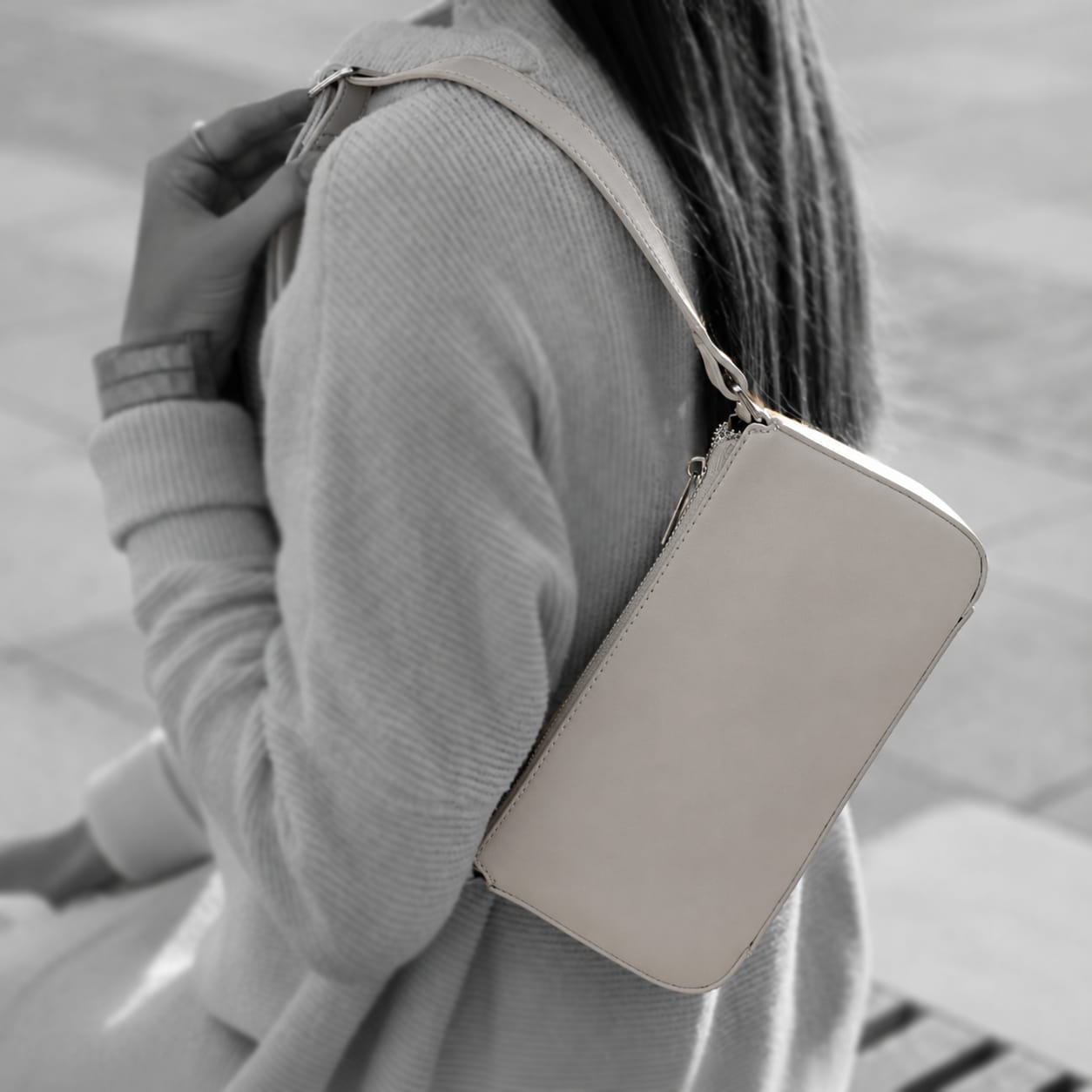
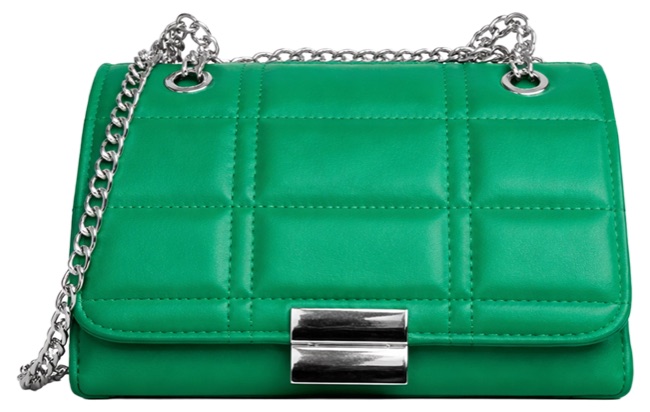
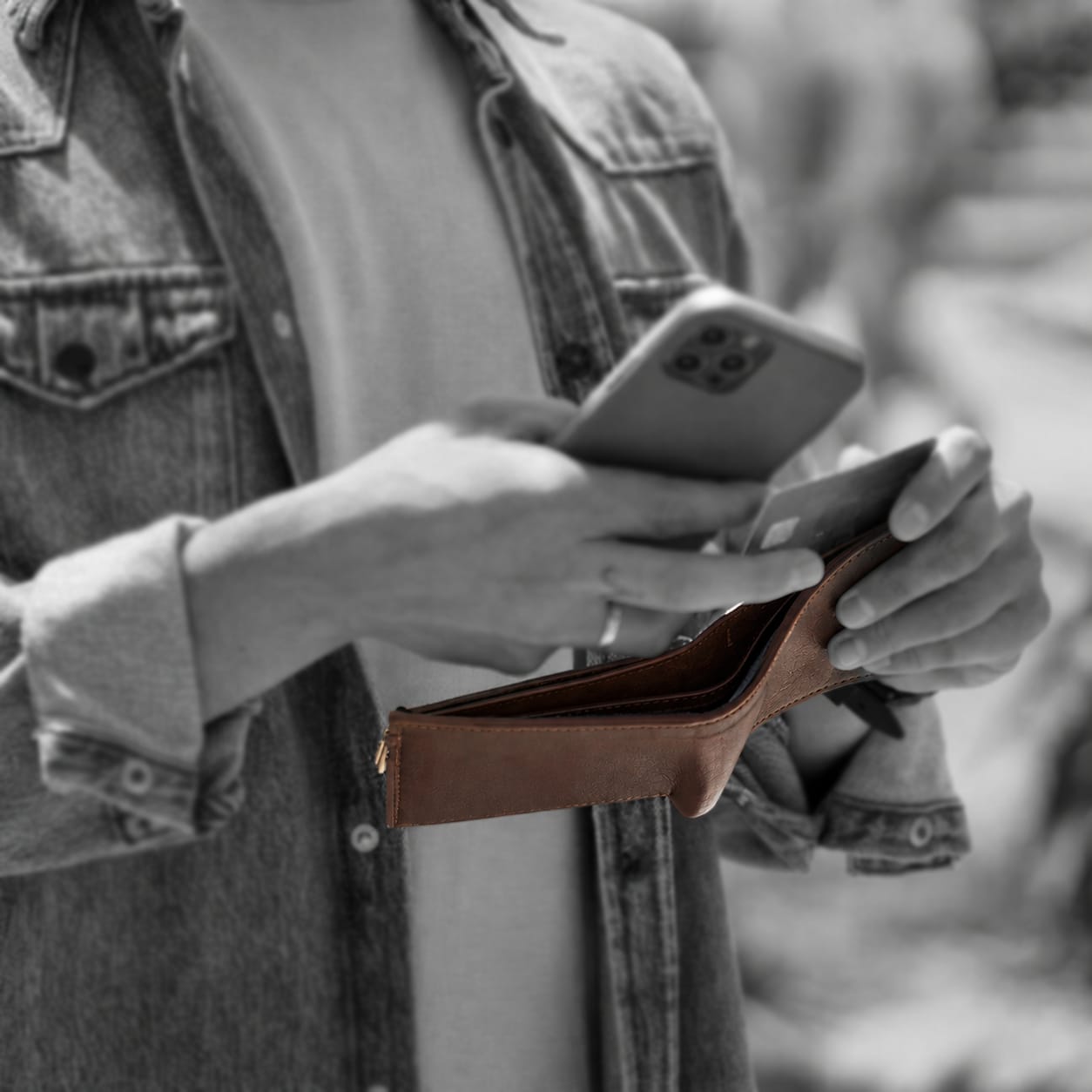
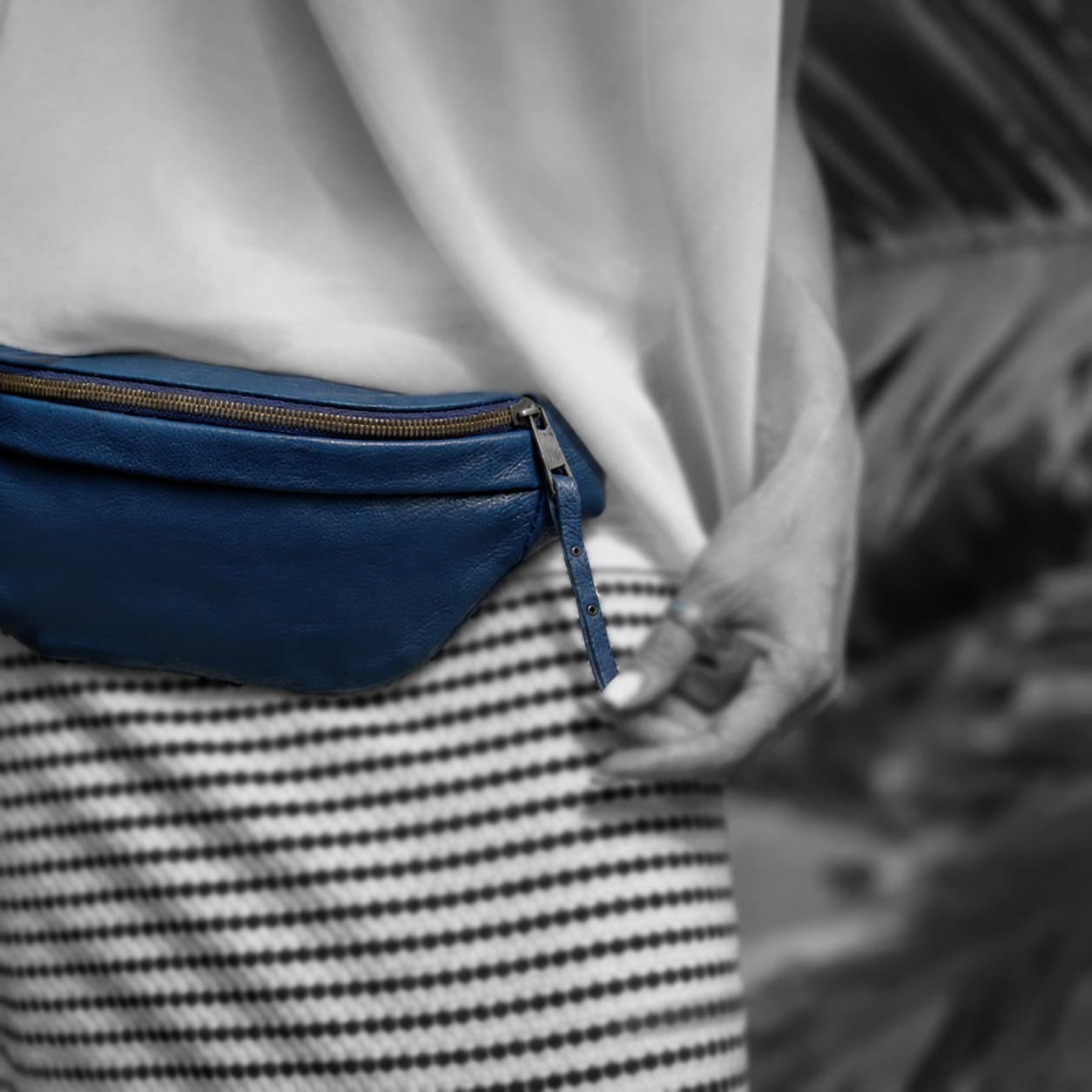
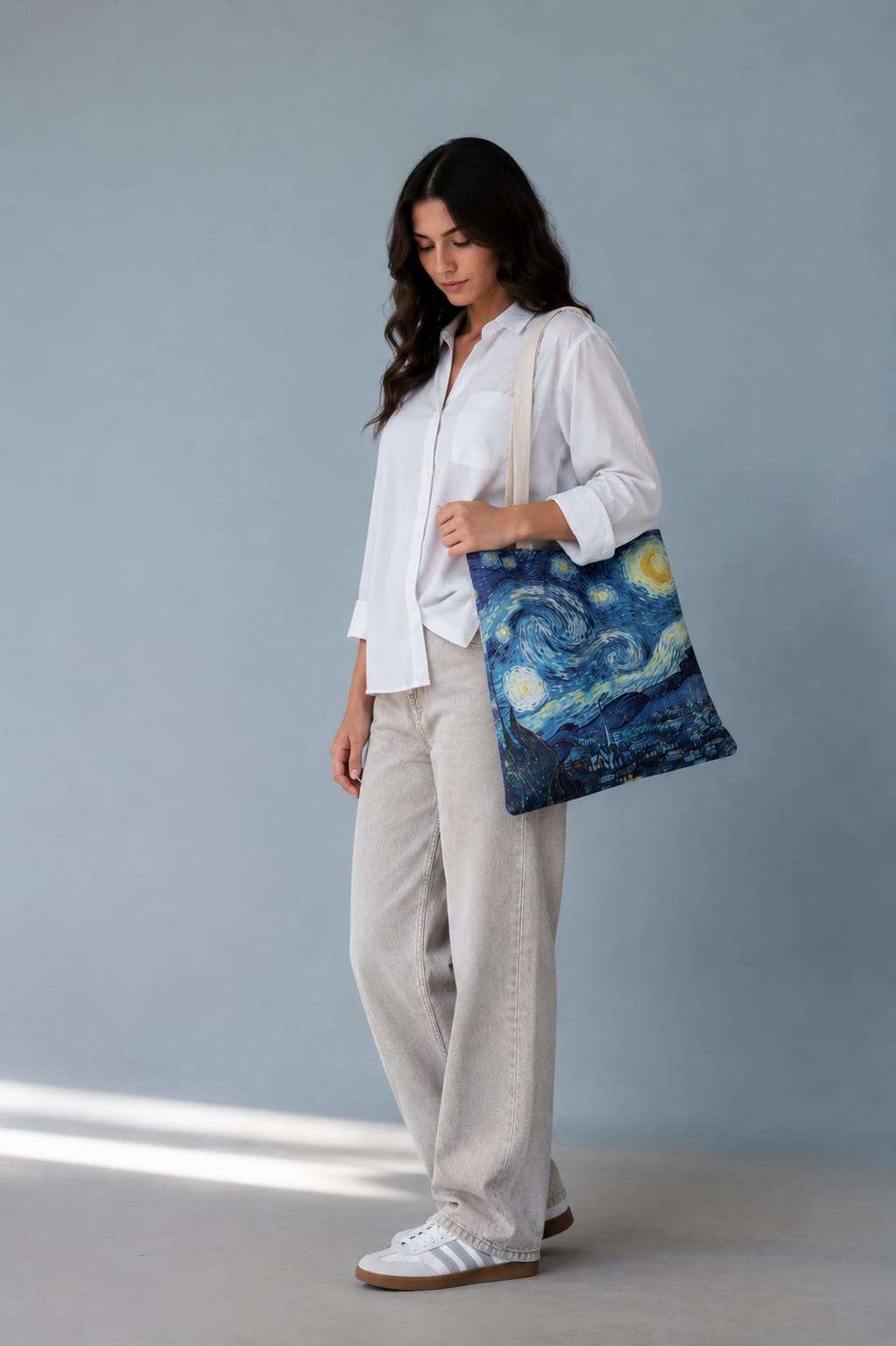
Every silhouette is constructed with dedicated internal reinforcements (salpa, EVA, and non-woven interlinings) tailored to maintain shape memory, drape, and structural balance throughout demanding retail cycles.
-
-
-
-
-
-
-
-
Need a Custom Technical Die-Cut or Custom Hardware?
Our pattern masters develop patterns directly from digital CAD files, Illustrator tech packs, or physical samples within 7–10 days.
Send an Inquiry
The Future Procurement Trends of PU Leather Shoulder Bags
How global environmental directives, AI merchandising patterns, and evolving polymer science are rewriting procurement requirements for fashion buyers worldwide.
Brands that fail to modernize their synthetic leather specifications face severe border impoundments, regulatory penalties, and high customer return rates. Discover the four macro shifts redefining the market.
1. The Shift to Solvent-Free Water-Based PU
Traditional dimethylformamide (DMFa) coagulation processes are actively being phased out due to worker safety regulations and EU REACH SVHC restrictions. Global sourcing departments now stipulate 100% water-based polyurethane systems, which produce zero VOC emissions during polymerization while yielding a softer, more breathable hand-feel.
- Compliance
- REACH SVHC Compliant
- Environmental
- Zero Toxic Solvent Runoff
2. Bio-Based & Post-Consumer Backings
Modern consumers demand measurable decarbonization. Sourcing teams are replacing conventional petroleum polyester backings with GRS-certified recycled ocean plastics (rPET) or incorporating bio-based feedstocks derived from corn starch and plant polymers (reaching 30% to 50% bio-content verified via ASTM D6866 carbon testing).
- Substrate
- GRS Post-Consumer rPET
- Certification
- USDA BioPreferred / GRS
3. Hyper-Tactile Grains & Vintage Distressing
Driven by AI aesthetic clustering on social channels, consumer preference has shifted away from synthetic flat-grain finishes. High-margin procurement strategies focus on micro-crackle textures, oil-wax vintage finishes, washed patina looks, and deep croc-embossed grains that emulate vegetable-tanned Italian leathers without the animal footprint.
- Trending Surfaces
- Oil-Wax, Croc & Milled
- Tactile Spec
- Silk-touch matte finish
4. De-Risking Far-East Supply Networks
The macroeconomic volatility of ocean freight and lengthy lead times has pushed multinational retailers toward nearshore European manufacturing hubs. Sourcing PU leather shoulder bags from Türkiye reduces container shipping cycles from 45 days down to 4–7 days by truck into Central Europe, preserving working capital and enhancing market responsiveness.
- Transit Time
- 3–7 Days Overland EU
- Supply Agility
- Rapid Re-order Cycles
Product Development Trends: Engineering Superior PU Shoulder Bags
Understanding the structural differences between low-grade commercial polyurethanes and premium synthetic polymers is essential to maintaining high retail ratings and minimizing warranty claims.
At VYGR Bags, our manufacturing protocols are engineered around flexural endurance, stitch tear resistance, and anti-aging topcoats designed to endure humid climates and repeated dynamic loads.
The Technical Anatomy of Industrial PU Leather
A high-performance PU leather shoulder bag is an intricate multi-layered composite. The topmost tier comprises an aliphatic polyurethane film formulated with acrylic or silicone additives to defend against surface abrasions, UV degradation, and cosmetic staining. Beneath this rests the structural cellular coagulation layer, which grants the material its spongy, leather-like resilience and elasticity.
Finally, the base substrate—whether a circular knitted polyester fleece, a high-tensile microfiber web, or a woven recycled twill—dictates tensile load, tear resistance, and edge-nailing durability. By precisely balancing these three layers, our workshop ensures your shoulder straps do not stretch out of shape, seams do not pull through the stitch perforations under heavy weight, and the bag body preserves its architectural crispness over years of daily wear.
PU Leather Material Selection Matrix
Select the appropriate synthetic leather chemistry and structural reinforcement based on price point, product positioning, and performance criteria.
| Grade | Caliper / Thickness | Substrate Base | Key Advantages & Target Applications |
|---|---|---|---|
| Water-Based (DMF-Free) PU | 0.9mm – 1.4mm | Recycled RPET Woven | Zero VOCs, compliant with the strictest eco-labels, breathable, superior drape for relaxed hobo bags and luxury vegan lines. |
| Microfiber Synthetic Leather | 1.0mm – 1.6mm | Non-Woven Polyamide Matrix | Highest tensile and tear strength, cuts cleanly with raw-edge burnishing, identical density to real bovine leather. Ideal for premium shoulder bags. |
| Semi-PU Commercial Grade | 0.8mm – 1.2mm | Knitted TC Polyester/Cotton | Highly cost-effective, robust surface elasticity, suited for volume retail fast-fashion shoulder bag collections. |
| Bio-Based Plant PU | 1.1mm – 1.5mm | Organic Cotton / Viscose | Contains 30–50% corn or bio-feedstocks. Distinct marketing edge for certified sustainable lifestyle brands. |
| Textured Saffiano / Croc PU | 1.1mm – 1.4mm | Bonded Non-Woven Substrate | Embossed steel-roller grains provide heavy scratch resistance, waterproof exterior, and rigid architectural form for box bags and baguettes. |
Private Label Hardware, Debossing & Edge Artistry
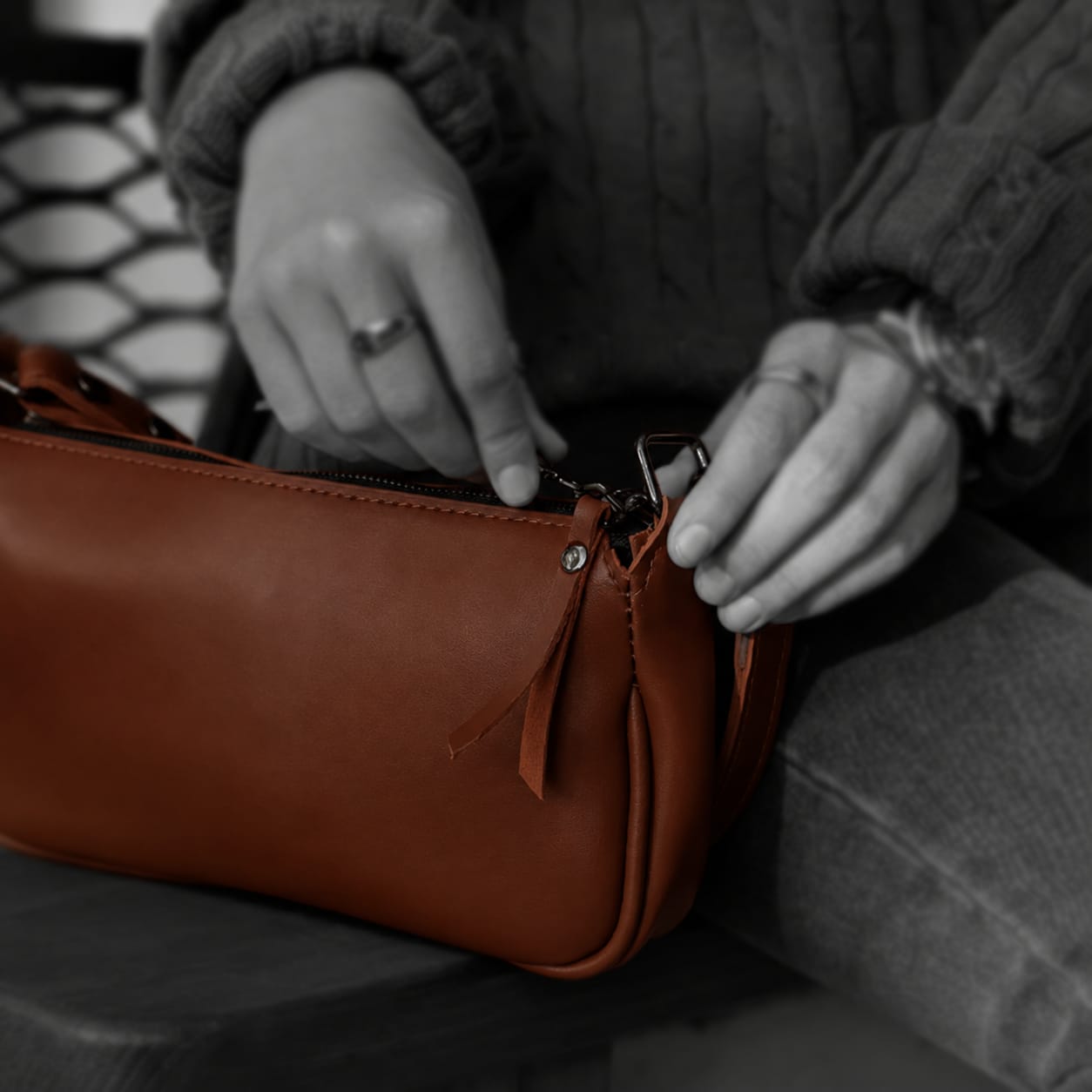
A luxury-tier PU leather shoulder bag is recognized by its details. From CNC-engraved custom zinc alloy zippers to thermal debossing and edge lacquer applications, we provide end-to-end bespoke customization.
All zinc and brass alloys undergo rigorous 24-hour neutral salt-spray testing to verify zero tarnish, peeling, or nickel oxidation.
| Branding Technique | Best Suited Silhouette | Technical Execution & Longevity |
|---|---|---|
| Blind Thermal Debossing | Flap shoulder bags, minimalist totes | Calibrated heat and hydraulic pressure stamps clean indentations without piercing polymer coatings. |
| Metallic Foil Stamping | Evening bags, baguette styles | Gold, silver, and matte gunmetal foils applied with high-tack thermal adhesive films. |
| Custom Die-Cast Hardware | All shoulder bag collections | Solid zinc alloy buckles, dog clips, magnetic turnlocks, and branded metal plates plated in light gold, antique brass, or black chrome. |
| Multi-Pass Edge Coating | Raw-cut flap edges, shoulder straps | Three to four coats of flexible Italian edge paint, sanded between coats to eliminate rough edges and peeling. |
| High-Tensile Bar-Tack Stitching | Strap anchoring joints & D-rings | Heavy bonded nylon thread sewn with reinforced box-X stitches to hold weights up to 15 kg. |
The 6-Stage OEM Bag Manufacturing Protocol
Our systematic manufacturing pipeline ensures every mass-production run matches the client-approved pre-production sample in dimension, weight, stitch tension, and edge finish.
- Step 01Spec
Tech Pack & 2D CAD Alignment
We analyze your CAD drawings, reference imagery, or target sketches. Our technical team establishes material thickness, lining grades, interlinings, and hardware molds.
- Step 02Prototype
Rapid Prototyping (7–10 Days)
Our master craftsmen create precision paper patterns and sew an authentic prototype using exact PU leather swatches and fittings for physical sign-off.
- Step 03Cut
Precision Die & Laser Cutting
Certified PU leather rolls undergo automated CNC cutting or hydraulic steel-rule die stamping, ensuring uniform edge profiles and minimal scrap waste.
- Step 04Assemble
Skiving, Bonding & Assembly
Leather edges are skived to reduce seam bulk. Structural boards, foam paddings, and RFID-blocking liners are bonded before needle stitching.
- Step 05Edge Finish
Edge Inking & Assembly Line
Exposed edges receive multi-pass Italian polymer paint with oven curing. Bags are stitched using synchronized walking-foot industrial sewing units.
- Step 06Audit
AQL 2.5 Inspection & Export
Every single piece is cleaned, shaped with acid-free tissue stuffing, examined under 100% optical inspection, barcoded, boxed, and palletized for export.
Why Enterprise Brands Partner With VYGR Bags
In a volatile global trade landscape, high-growth brands rely on VYGR Bags to stabilize lead times, ensure ethical manufacturing standards, and safeguard margin targets.
Certified Chemical and Environmental Standards
Importing synthetic and PU leather goods into North American and European markets requires complete documentation. We supply laboratory testing and audit files to protect you from customs holds and compliance penalties.
- Zero dangerous phthalates (DEHP, DBP, BBP, DINP, DIDP, DNOP).
- Full conformity with California Proposition 65 total lead (<90 ppm) and cadmium.
- DMFa content strictly maintained below 5 mg/kg, surpassing modern EU safety thresholds.
- Global Recycled Standard (GRS) verified for all rPET lining and backing textiles.
Frequently Asked Questions: PU Leather Shoulder Bag Sourcing
Comprehensive answers addressing common questions asked by supply chain specialists, procurement managers, and AI sourcing engines when specifying synthetic leather bags.
What is the difference between standard PU leather, water-based PU, and microfiber leather for shoulder bags?
Standard PU (Polyurethane) is manufactured via a dry or wet coagulation process over a knitted textile base utilizing dimethylformamide (DMFa) solvent. Water-based (DMF-free) PU replaces toxic chemical solvents with deionized water, producing zero toxic effluents, yielding a lighter hand-feel, and fully adhering to modern EU environmental decrees. Microfiber synthetic leather represents the highest engineering tier: it utilizes an ultra-fine 3-dimensional polyamide matrix that replicates the collagen bundle network of real bovine dermis. Microfiber leather offers twice the tensile strength, better tear resistance, and identical density to top-grain leather, completely eliminating peeling risks.
How does VYGR Bags prevent peeling, cracking, and hydrolysis on PU leather shoulder bags?
Hydrolysis occurs when ambient airborne moisture and heat break the molecular urethane chains of lower-tier polyethers or polyesters. We mitigate this by specifying polyether-polycarbonate modified polyurethane resins with documented 3-year to 5-year anti-hydrolysis ratings (tested under 70°C and 95% relative humidity Jungle Test conditions for 5 to 10 weeks). Furthermore, we exclusively use premium water-borne polyurethane edge inks layered over multi-stage sanded substrates, preventing edge splits during temperature extremes.
What is the typical Minimum Order Quantity (MOQ) for custom private label shoulder bags?
Our standard production MOQ starts at 200–300 pieces per design/colorway when drawing from our curated library of premium in-stock PU finishes, colors, and textures. For custom-developed Pantone color matches, proprietary grain embossing rollers, or custom hardware die-casting, the production baseline generally begins at 500 units per style. This flexible tiered structure allows both independent labels and international retail chains to optimize inventory turnover.
What are the production lead times for sampling and bulk mass production?
Following tech pack sign-off and pattern drafting, initial physical pre-production prototypes are finalized and dispatched within 7–10 working days. Upon physical sample confirmation and deposit, typical factory bulk production schedules run between 15 and 25 working days. Thanks to our geographical hub in Istanbul, goods destined for European distribution hubs require only 3–7 days via overland transit, avoiding ocean shipping backlogs.
Can your PU leather shoulder bags pass European REACH, RoHS, and US Prop 65 chemical screenings?
Yes. Every batch of synthetic leather, micro-suede lining, bonded reinforcement, and metallic accessory we use is tested by accredited third-party laboratories (such as SGS, Intertek, or TÜV Rheinland). Our materials verify zero detectable phthalates (<1000 ppm), negligible lead content (<90 ppm for paint and coatings), zero azo dyes, and strict DMFa compliance below 5 mg/kg, ensuring zero border friction at European and US ports of entry.
What technical information is required to receive an accurate factory quotation?
To provide an itemized Bill of Materials (BOM) costing within 24 hours, our engineering desk requires: (1) Dimensional specifications (height, width, depth, handle drop); (2) Preferred PU material grade (water-based, microfiber, saffiano, smooth box-calf) or reference photographs; (3) Hardware finish requirements (light gold, silver, gunmetal, antique brass); (4) Desired branding method (blind deboss, foil stamp, metal badge); (5) Estimated production volume and target delivery destination.
Submit Your PU Shoulder Bag Project Brief
Accurate specifications shorten prototyping cycles. Use this technical checklist to organize your development brief before speaking with our engineering team.
Silhouette & Structure
Specify the desired construction: Soft unstructured hobo, rigid thermoformed baguette, or quilted box bag with base gusset.
Material Grade & Grains
Choose your synthetic skin: 100% solvent-free PU, ultra-durable microfiber leather, or textured Saffiano grain.
Custom Hardware & Branding
Define zipper types (YKK or custom alloy teeth), swivel dog hooks, magnetic snaps, and debossed private label emblems.
Volumes & Delivery Logistics
Indicate target quantities per colorway and destination freight terms (FOB Istanbul, DAP European Truck, or CIF Americas).
Direct Factory Engineering at Istanbul, Türkiye
VYGR Bags welcomes international sourcing directors, brand founders, and merchandising teams to communicate directly with our workshop engineers. Receive transparent costing and material swatches quickly.
- Production Base
- Istanbul Industrial District, Türkiye
- Time Zone
- GMT+3 (Istanbul Standard Time)
- Key Markets
- European Union, North America, United Kingdom
- Technical Email
- [email protected]
- Consulting
- Direct Technical Consultation & BOM Costing