
0%

Wholesale buyers entering 2026 need more than attractive fabric and a low unit price. Custom Cotton Tote Bags must balance durability, print quality, comfort, and dependable supply. A bag that looks excellent in a product photo may feel thin, stretch at the handles, or lose its color after several washes.

This guide examines practical options for retailers, event organizers, hospitality brands, and promotional distributors. It considers cotton weight, stitching, handle length, gusset design, printing methods, minimum order quantities, packaging, and production timelines. A 5-ounce tote may suit a simple giveaway, while a 12-ounce canvas bag can support heavier retail products. Small details matter. Reinforced seams help. Even handle spacing improves carrying comfort.

Reliable wholesale decisions require evidence, not confident claims. Buyers should request fabric samples, wash-test printed panels, and confirm whether cotton is organic, recycled, or conventionally grown. Certifications can support responsible sourcing, but they should be checked with current documentation. Supplier communication also deserves attention. Clear artwork files, approved samples, and written inspection standards can prevent expensive surprises.

No supplier is perfect. Delays happen. Colors can vary slightly between production runs. That reality deserves planning, not denial. A practical purchasing strategy includes a modest buffer for inventory, time, and budget. The best choice may not be the cheapest tote. It is the one that matches the customer’s use, brand expectations, and repeat-order needs. This overview helps wholesale buyers compare credible options with greater confidence in 2026.
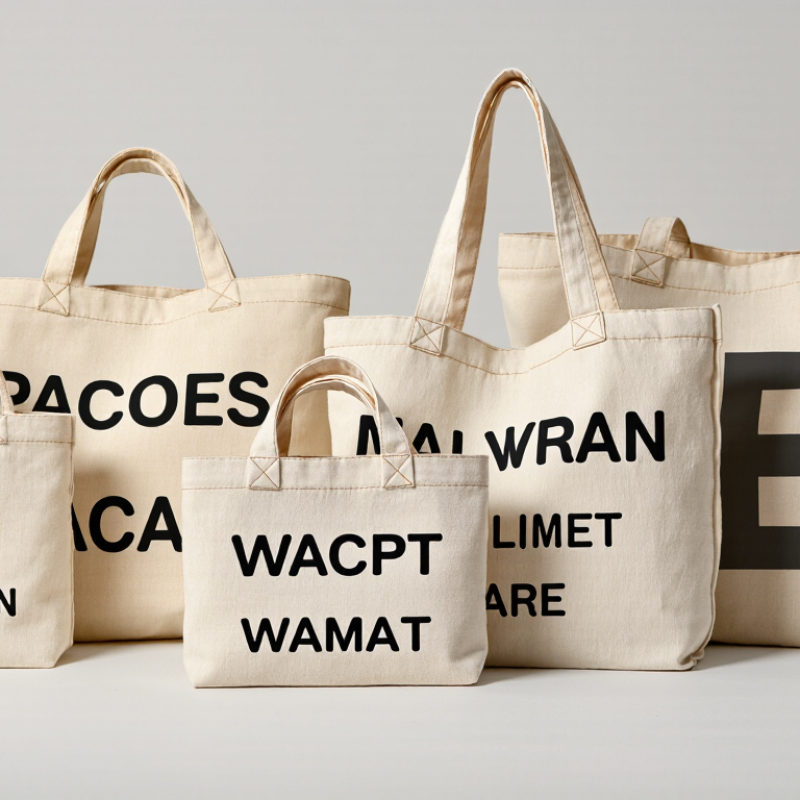
2026 Best Custom Cotton Tote Bags for Wholesale Buyers

Custom Cotton Tote Bag Types for Wholesale Buyers

Custom cotton tote bags serve different wholesale needs, so one shape rarely fits every order. Flat totes are cost-efficient for conferences, bookstores, and retail counters. Gusseted totes hold boxed products more securely. Their wider base also improves shelf stability. Long-handle versions work well for shoulder carrying, while short handles suit hand-held promotions. Drawstring cotton bags add a softer, gift-oriented presentation.

Canvas is the stronger choice for heavier merchandise. Lightweight cotton reduces unit cost and shipping weight. Recycled cotton can support material-reduction goals, but its fibers may be weaker. Textile Exchange reported that cotton represented about 22% of global fiber production in 2023. That figure shows cotton’s scale, not automatic sustainability. Ask suppliers for recycled content, fabric weight, stitching details, and colorfastness records. Small details matter.

Printing methods also change the best bag type. Screen printing suits bold logos and larger quantities. Digital printing handles detailed artwork, but color matching needs approval samples. For wholesale purchasing, request a pre-production sample with actual fabric, handles, seams, and print placement. Do not trust a digital mockup alone. The UN Environment Programme has emphasized reuse systems alongside waste reduction, yet repeated use depends on durability and consumer habits. A cheaper bag may fail early. That is an uncomfortable cost. When comparing 2026 options, assess price per expected use, not price per unit.

Key Materials, Sizes, and Construction Features

For wholesale buyers, cotton tote performance starts with fabric selection. Cotton canvas between 8 and 16 ounces offers useful strength for books, groceries, and event materials. Lighter 5-ounce cotton reduces shipping weight but may feel less durable. I have tested samples where the advertised weight looked impressive, yet the loose weave weakened under load. Ask for fabric weight, weave density, shrinkage results, and colorfastness data before placing a large order. Recycled or organic cotton can support sustainability goals, but suppliers should provide reliable documentation.

Size affects both usability and production cost. A compact 10-by-12-inch tote suits small gifts and printed inserts. A 15-by-16-inch body works better for retail purchases. Larger bags need wider gussets, or their corners may strain quickly. Handle length also changes the experience. Twelve-inch handles fit hand carrying, while 24-inch handles allow shoulder use. Check the handle drop with a filled sample, not an empty bag. Empty bags can be misleading.

Construction details often decide whether a tote survives repeated use. Look for reinforced cross-stitching where handles meet the body. Box stitching adds confidence around heavy loads. Double-turned top hems create a cleaner edge and reduce fraying. Internal seams may be overlocked, bound, or left raw, depending on the target price. I prefer practical reinforcement over decorative extras. Still, some buyers underestimate printing tolerance on textured canvas. Request a pre-production sample, inspect the corners, measure the finished bag, and record any size variation before approving wholesale production.

2026 Best Custom Cotton Tote Bags for Wholesale Buyers - Key Materials, Sizes, and Construction Features

Bag Type Cotton Material Typical Fabric Weight Common Finished Size Handle Construction Approx. Practical Load Recommended Customization Best Wholesale Use
Lightweight Promotional Tote Natural cotton canvas or plain-weave cotton 3–5 oz/yd²
102–170 g/m²
14 × 15 in
35.5 × 38 cm
1 in wide cotton webbing; 22–24 in handle length 5–8 lb
2.3–3.6 kg
Screen printing, heat transfer, simple one-color artwork Events, conferences, retail giveaways, book fairs
Standard Reusable Tote Unbleached or dyed cotton canvas 6–8 oz/yd²
203–271 g/m²
15 × 16 × 3 in
38 × 41 × 7.5 cm
Reinforced stitched webbing or self-fabric handles; 24–26 in length 10–15 lb
4.5–6.8 kg
Screen printing, embroidery, woven labels, interior pocket Grocery programs, retail packaging, everyday shopping
Heavyweight Utility Tote Heavy cotton canvas, commonly 100% cotton 10–14 oz/yd²
339–475 g/m²
16 × 14 × 5 in
41 × 36 × 12.5 cm
1.5 in wide cotton webbing; box-X stitching at stress points 20–30 lb
9–13.6 kg
Large-area screen printing, embroidery, contrast handles, base reinforcement Tool kits, produce markets, premium promotional campaigns
Gusseted Market Bag Medium-weight cotton canvas with structured side panels 7–10 oz/yd²
237–339 g/m²
15 × 14 × 6 in
38 × 35.5 × 15 cm
Long shoulder handles; reinforced handle anchors and folded seams 15–25 lb
6.8–11.3 kg
Two-sided printing, interior divider, external pocket, magnetic snap Farmers’ markets, food retailers, subscription boxes
Long-Handle Shoulder Tote Cotton canvas or cotton twill 6–10 oz/yd²
203–339 g/m²
15 × 16 in
38 × 41 cm
24–30 in handles for shoulder carrying; reinforced with cross-stitching 10–18 lb
4.5–8.2 kg
Full-color transfer, embroidery, printed care label, inner pocket Apparel stores, museums, bookshops, lifestyle campaigns
Drawstring Cotton Bag Lightweight cotton muslin or plain-weave cotton 3–6 oz/yd²
102–203 g/m²
10 × 12 in
25.5 × 30.5 cm
Cotton cord through a double-stitched channel 3–8 lb
1.4–3.6 kg
Block printing, heat transfer, custom hangtags, colored cords Gift packaging, cosmetics, events, small-product bundles
Organic Cotton Tote Certified organic cotton canvas; certification should be verified for the specific order 6–10 oz/yd²
203–339 g/m²
14 × 16 × 3 in
35.5 × 41 × 7.5 cm
Self-fabric or cotton webbing handles; double-needle top hem 10–15 lb
4.5–6.8 kg
Water-based printing, recycled-paper hangtag, natural-dye palette Sustainability campaigns, ethical retail, eco-focused packaging
Recycled Cotton Tote Recycled cotton blended with virgin cotton for strength and consistency 5–9 oz/yd²
170–305 g/m²
15 × 16 in
38 × 41 cm
Reinforced cotton webbing; seam binding recommended for frequent use 8–15 lb
3.6–6.8 kg
One- or two-color printing, recycled-content label, simple artwork Promotional merchandise, conferences, circular-economy programs

Notes: Fabric weight is shown in both ounces per square yard and grams per square meter. Practical load ranges are approximate and depend on fabric quality, seam design, handle attachment, dimensions, and distribution of weight. Final specifications should be confirmed with a pre-production sample and load test.

Printing and Branding Options for Bulk Orders

For 2026 wholesale buyers, cotton tote bags offer practical branding space without excessive production complexity. Grand View Research estimates the global reusable bags market at approximately USD 9.66 billion in 2023, with continued growth expected through 2030. This supports demand for useful, reusable promotional products. However, market growth does not guarantee strong campaign results.

Screen printing remains efficient for large orders with simple logos and bold colors. Water-based inks create a softer hand feel, although they may appear less vivid on natural cotton. Digital printing suits detailed artwork and smaller batches, but unit costs can rise. Embroidery adds texture to small logos, yet it may feel heavy on lightweight fabric. PPAI’s 2024 Promotional Products Sales Report valued the North American promotional products market at USD 25.8 billion in 2023, showing how important decoration quality is in competitive purchasing decisions.

Check the fabric first. A 10-ounce cotton canvas tote usually supports sharper printing than thin, loosely woven material. Ask for a pre-production sample, color proof, and wash test. Specify print placement, ink type, Pantone references, handle length, and acceptable color variation. One overlooked detail can weaken the whole order. I have found that natural cotton often changes the final color slightly, so digital previews can mislead buyers. Report figures are also directional, not promises. Buyers should compare supplier samples, production tolerances, packaging methods, and delivery records before approving bulk quantities.

How to Evaluate Suppliers, Quality, and Certifications

Wholesale buyers in 2026 should evaluate suppliers beyond product photos and low quotations. Textile Exchange’s 2024 Materials Market Report estimates global fiber production reached 124 million tonnes in 2023. This scale increases pressure on cotton traceability and resource management. Ask suppliers for farm, spinning, weaving, and printing records. A clear chain is more valuable than a polished presentation.

Request a pre-production sample with the final fabric, handles, thread, and artwork. Check fabric weight, weave density, stitching distance, handle attachment, and measured shrinkage after washing. For many retail applications, 8–12 oz cotton offers a practical balance between structure and cost. Test colorfastness, seam strength, odor, and fabric composition through an independent laboratory. Small faults become expensive across thousands of bags.

Certifications require careful verification. GOTS can support organic textile and processing claims, while OEKO-TEX STANDARD 100 addresses tested harmful substances. ISO 9001 may indicate a documented quality system, but it does not certify cotton content. Verify certificate numbers, scope, expiry dates, and the actual production site. The Textile Exchange Organic Cotton Market Report has repeatedly shown that certified organic cotton remains a small share of global cotton supply, so availability and lead times need confirmation. Certificates can be real yet incomplete. I have seen samples pass inspection while bulk goods showed uneven dyeing. Use approved samples, inspection checkpoints, and written tolerances before placing a wholesale order.

Pricing, Minimum Orders, and Sustainable Purchasing Factors

2026 Best Custom Cotton Tote Bags for Wholesale Buyers

For 2026 purchasing, plain cotton tote bags commonly cost $0.80–$2.20 per unit at 500–5,000 pieces. Custom printing, gussets, inner pockets, and heavier fabric can raise prices to $1.50–$4.00. These figures are practical planning ranges, not fixed quotations. Freight, packaging, inspection, and seasonal cotton prices can change the final landed cost.

Minimum orders often begin at 300–500 units for standard bags. Custom colors or woven labels may require 1,000 pieces or more. Ask for a pre-production sample. Confirm fabric weight, stitching density, handle length, print placement, and dimensional tolerance. A cheap quote can hide weak seams or unexpected setup fees. I have seen buyers compare unit prices too early. That mistake is expensive.

Sustainability needs measurable evidence. Textile Exchange’s 2024 Materials Market Report recorded 124 million tonnes of global fiber production in 2023, with output projected to reach 160 million tonnes by 2030. This growth makes material selection more important. Request organic or recycled-cotton documentation, dyeing information, factory energy data, and a clear chain of custody. Organic cotton may cost more, but vague “eco” claims cost trust.

Tips: Compare landed cost, not factory price. Request two samples. Test a filled bag. Choose durable stitching over decorative extras. Reuse potential matters more than a green label. Ask whether certifications cover the actual product, not only the facility.

FAQS

Which cotton tote shape suits wholesale orders best?

Flat totes suit conferences and counters. Gusseted bags hold boxes better and stand more steadily on shelves.

Should buyers choose lightweight cotton or canvas?

Lightweight cotton lowers shipping costs. Canvas handles heavier goods, such as books or groceries, with less strain.

Are recycled or organic fibers always more sustainable?

Not automatically. Recycled fibers may be weaker, so request documentation and test durability before ordering.

What fabric weight works for repeated use?

Eight- to sixteen-ounce canvas offers useful strength. Five-ounce cotton feels lighter but may wear sooner.

How should buyers check the bag size?

Measure the finished body, gusset, and handle drop. A filled sample reveals more than an empty one.

Which handle length is practical?

Twelve-inch handles suit hand carrying. Twenty-four-inch handles allow shoulder carrying. Comfort changes with the filled weight.

What construction details prevent early failure?

Check cross-stitching, box stitching, and double-turned hems. Loose seams are warning signs.

Which printing method fits wholesale needs?

Screen printing suits bold artwork and larger quantities. Digital printing handles details, but approve a physical color sample.

Why is a pre-production sample necessary?

It reveals fabric feel, seam quality, print placement, and size variation. Digital mockups can look too perfect.

How should buyers compare prices?

Compare price per expected use, not unit price. A cheap bag that fails quickly becomes an uncomfortable expense.

Conclusion

This guide to Custom Cotton Tote Bags helps wholesale buyers compare practical options for retail, events, promotional campaigns, and everyday shopping. It explains common styles, including flat, gusseted, drawstring, and reinforced-handle designs, while highlighting how cotton weight, weave, size, handle length, stitching, and lining affect durability and usability. Buyers can also assess printing methods such as screen printing, heat transfer, embroidery, and multi-color artwork to select branding solutions that match their order volume and visual requirements.

The article also outlines how to evaluate suppliers through samples, production consistency, communication, quality control, and relevant material or sustainability certifications. It reviews the factors that influence wholesale pricing, including fabric grade, bag dimensions, decoration, packaging, shipping, and minimum order quantities. Finally, it encourages responsible purchasing by considering recycled or organic cotton, low-impact dyes, reusable packaging, transparent sourcing, and long-term product value rather than focusing only on the lowest initial price.

Ethan

Ethan

Ethan is a professional marketing specialist dedicated to helping businesses better understand the value, performance, and practical applications of our products. With a strong background in market research, content strategy, customer communication, and product education, he combines industry......