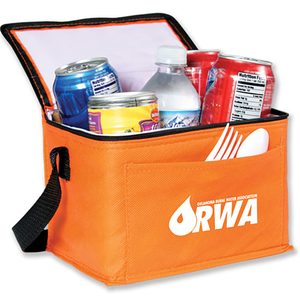
Precision-stitched, multi-layered thermal lunch bags engineered with food-grade PEVA linings and heavy-duty water-repellent shells, tailored for commercial buyers in Dhaka, Chittagong, and overseas markets.
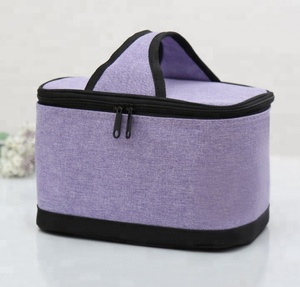
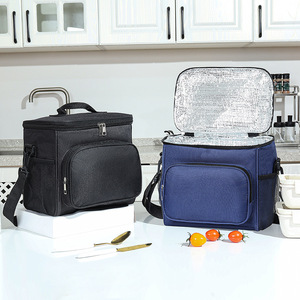
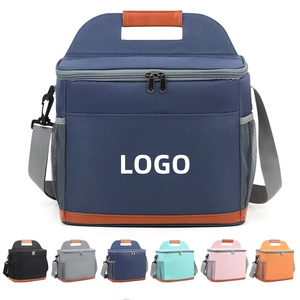
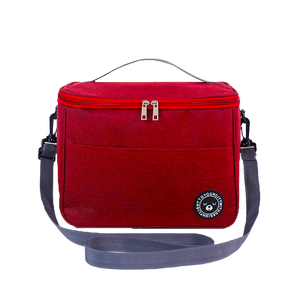
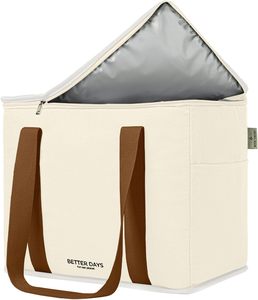
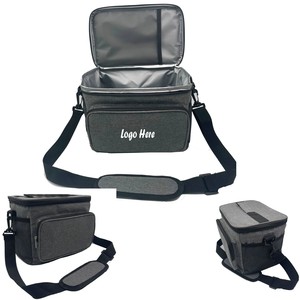
The procurement landscape for insulated food storage carriers and custom lunch bags across Bangladesh has transitioned dramatically from disposable packaging to precision-engineered thermal systems. Driven by the expanding middle class in Dhaka, the institutional scale of the Ready-Made Garment (RMG) manufacturing belt in Gazipur and Narayanganj, and the explosive growth of on-demand food logistics platforms, enterprise buyers require commercial-grade thermal performance built to withstand harsh subtropical environments.
Operating in ambient temperatures frequently exceeding 38°C with relative humidity levels surpassing 85% during the monsoon season, standard uninsulated tote bags or single-layer foam pouches fail rapidly. Bacterial proliferation in traditional warm rice and curry dishes occurs within 120 minutes if temperatures fall within the danger zone (5°C to 60°C). Our custom manufacturing facility addresses this technical challenge by designing multi-barrier assemblies combining water-resistant Oxford polymers, high-density closed-cell polyethylene (EPE) foam cores, and ultrasonic-welded PEVA inner linings that prevent liquid migration and eliminate seam moisture retention.
Structured with outer abrasion-resistant 600D/900D Oxford fabric, a 5mm to 8mm cross-linked closed-cell EPE foam thermal dampener, and an interior aluminum foil or food-grade PEVA film, achieving complete thermal reflection and condensation resistance.
Traditional needle-stitched interior seams allow curry oil and gravies to penetrate into the foam layer, leading to microbial growth and foul odor. Our high-frequency hot-press welding guarantees 100% zero-leakage waterproof containment.
Equipped with zinc-alloy electroplated pulls, resin-coated waterproof nylon zippers (S-60 reverse coil), and reinforced cross-box webbing handles tested to withstand 15kg dynamic pull stress over sustained transit in rain-prone metropolitan hubs.
Choosing the correct polymer and insulation density directly determines unit cost, thermal preservation time, and durability under heavy industrial use. The table below details our primary structural configurations supplied to institutional buyers throughout South Asia.
| Material Class | Outer Construction | Core Thermal Layer | Lining Chemistry | Heat Retention (Hot/Cold) | Primary Industrial Use |
|---|---|---|---|---|---|
| Commercial Grade 600D | Waterproof Polyester Oxford w/ PU Backing | 5.0mm Expandable EPE Foam | 0.15mm Non-Toxic PEVA | 4 - 6 Hours Sustained | Corporate Executive Gifts & Bank Staff Welfare |
| Heavy Duty 900D/1680D | Ballistic Polyurethane Weave | 8.0mm High-Density EPE Sponge | Seamless Hot-Pressed PEVA Foil | 6 - 8 Hours Sustained | Field Sales, Pharma Detailing, Delivery Services |
| PP Non-Woven Composite | 80-120 gsm Ultrasonic Laminated PP | 2.0mm Reflective Foam Core | Metalized BoPET Foil | 2 - 3 Hours Initial | High-Volume Retail Promos & Supermarket Campaigns |
| Eco-RPET Sustainable | 100% Recycled Post-Consumer Fabric | 6.0mm Bio-based Recycled Foam | Biodegradable Food-Grade TPU | 5 - 7 Hours Sustained | Multinational CSR & Export Compliance Programs |
A customized lunch bag is not merely a lifestyle accessory; in the context of Bangladesh's fast-moving commercial infrastructure, it functions as critical operational gear, worker welfare equipment, and strategic corporate branding collateral.
Garment factories in Ashulia, Savar, and Gazipur employ thousands of mid-to-senior line supervisors and industrial engineers who commute long distances. Custom heavy-duty bento totes ensure hot homemade meals remain sterile and warm across 12-hour shifts without requiring microwave access.
Financial institutions across Motijheel, Gulshan, and Banani deploy high-end, discreetly branded thermal bags as corporate welcome kits and Eid festive gifts for employees and high-net-worth clients, emphasizing professional design and leakproof security.
Medical Representatives (MRs) traveling across regional districts like Bogura, Sylhet, and Barishal face grueling outdoor heat. Multi-pocket insulated lunch bags serve dual purposes: keeping lunches fresh while carrying diagnostic temperature-sensitive sample vials safely.
The explosive rise of cloud kitchens and quick-commerce food platforms in Dhanmondi and Uttara demands lightweight, reusable, brandable thermal bags that preserve crispy crusts and piping soup temperatures across chaotic traffic jams.
1. Shift Away From Traditional Uninsulated Metal Tiffin Carriers: While traditional stainless steel "tiffin boxes" remain culturally iconic across Bengal, their lack of thermal retention and frequent oil leakage around silicone gaskets have driven modern professionals toward insulated fabric carrier bags with dedicated internal strap organizers that lock multi-tiered boxes upright.
2. Escalating Demand for Food-Contact Certifications: Corporate compliance departments in Bangladesh are increasingly auditing promotional products. Cheap PVC liners that release volatile plasticizers or contain phthalates are systematically rejected. Modern procurement contracts require BPA-free, REACH-compliant, and FDA food-contact-approved PEVA or TPU inner films.
3. Brand Differentiation via Precision Printing & Embroidery: Leading brands are eschewing fragile screen prints that flake under high humidity. Our factory provides UV digital printing, colorfast silicone transfer badges, and high-density industrial embroidery that maintain brand aesthetics over years of daily washing.
Operating as a direct OEM and private-label production facility rather than an intermediary trading entity, we offer institutional buyers unparalleled transparency, rigorous quality gates, and customized cost structures:
Pattern-making, laser cutting, and digital print proofing are executed within our own specialized R&D sampling lab. Tech packs, physical golden samples, and digital video teardowns are dispatched before bulk sewing commences.
From initial raw fabric hydrostatic testing to seam-burst strength tests, zipper cyclic pull stress tests (5,000+ open/close cycles), and final cosmetic carton audits, every shipment meets international AQL 2.5 standards.
We routinely structure Letter of Credit (L/C at sight) shipments, commercial invoices, packing lists with exact CBM calculations, Certificates of Origin (Form A / COO), and customs HS classification assistance for smooth port clearance.
Insulated lunch bags and cooler bags are predominantly classified under HS Code 4202.92.00 (Trunks, suit-cases, executive-cases, insulated food/beverage bags with outer surface of textile materials or sheeting of plastics). We ensure all commercial invoices, packing lists, and bills of lading precisely reflect matching descriptors to avoid customs delays at Chittagong Port (CTG) or Hazrat Shahjalal International Airport (DAC).
Yes. We regularly accept Irrevocable Letters of Credit (L/C at sight) opened through tier-one Bangladeshi commercial banking institutions including BRAC Bank, Eastern Bank Limited (EBL), Standard Chartered Bangladesh, and City Bank. We strictly comply with specific L/C conditions regarding clean on-board shipping documents and inspection certificates.
Unlike entry-grade sewn liners where needle perforations wick liquid into the EPE insulation foam, we utilize high-frequency dielectric radio welding to fabricate seamless 3D interior buckets. The inner tub is 100% watertight, allowing ice packs, condensation, and liquid spills to be wiped clean with a damp cloth without staining or mold growth.
Our standard production MOQ starts at 500 units per colorway for customized polyester or Oxford constructions, with scalable capabilities up to 50,000 units monthly. Sample production takes approximately 3 to 5 business days, and bulk manufacturing is completed in 15 to 25 days following pre-production sample approval.
Absolutely. We develop bespoke interior layouts including mesh compartments for ice gel packs, elasticized loops for water bottles, silverware retention pockets, and external zippered utility sleeves for corporate IDs and smartphone storage.
Yes. Upon request, we source certified OEKO-TEX Standard 100 outer fabrics, GRS (Global Recycled Standard) certified post-consumer RPET textiles, and heavy-metal-free hardware, supplying complete testing documentation for multinational compliance audits.