Explore high-performance multi-layer insulated thermal carriers, extra-thick reusable cotton canvas bags, and custom commercial carry solutions manufactured according to strict European and North American retail compliances.
In modern retail supply chains, wholesale grocery bags have shifted from low-cost single-use consumables into critical touchpoints of sustainable compliance, commercial durability, and customer brand loyalty. The transition across global markets away from single-use plastics has placed immense technical demand on high-volume procurement teams. Sourcing from a top trusted bulk grocery bags factory & supplier requires rigorous material verification, precision sewing benchmarks, and full visibility over ethical manufacturing processes.
Unlike trading intermediaries that broker finished goods, direct manufacturers operate vertically unified facilities where pattern drafting, fabric laser cutting, ultrasonic bonding, thermal foil lamination, high-density stitching, and screen printing occur under one roof. This infrastructure delivers verifiable batch integrity, rapid sample cycles, and consistent export standards for enterprise retail chains, supermarket groups, and marketing agencies globally.
A retail grocery bag must withstand severe tensile stress, concentrated abrasive loads from packaged groceries, moisture exposure, and multi-cycle wash cycles. When sourcing heavy-duty canvas and thermal cold-chain bags, industrial buyers must evaluate five structural factors:
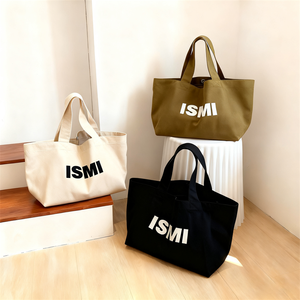
From 140 GSM promotional calico to 16oz (approx. 450 GSM) industrial canvas, fiber density governs load-bearing capacity up to 25+ kg without seam slippage.
High-stress points utilize 'Cross-X' boxed bar-tack stitching along handle seams, paired with overlock edge binding to eliminate fraying during commercial rotation.
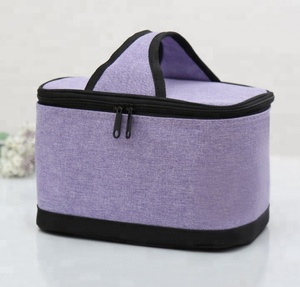
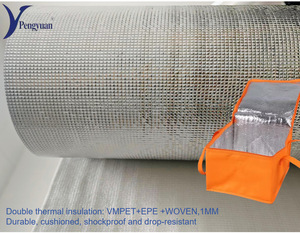
Cold-chain fresh food carry bags utilize composite architectures: water-repellent shell, closed-cell EPE foam core, and food-grade heat-sealed aluminum foil lining.
B2B buyers should consult the technical matrix below to cross-reference retail requirements against production material parameters, certifications, and operational durability:
| Category | Fabric Grammage / Core | Yield Strength & Load | Standard Compliance | Optimal Commercial Application |
|---|---|---|---|---|
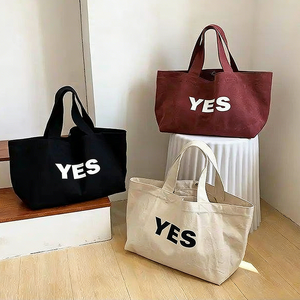
| Organic Canvas Tote | 340–450 GSM (12–16 oz) Cotton | 18–25 kg (Static & Drop tested) | GOTS, OEKO-TEX Standard 100 | Premium Retail Supermarket Reusable, Private Label Merchandising |
| Laminated Non-Woven | 80–120 GSM Virgin PP + OPP film | 10–14 kg (Ultrasonic bonded) | REACH Compliant, Recyclable PP 5 | Mass Retail Checkout, Promotional Food Distribution, High Volume |
| 3-Layer Insulated Cooler | 600D RPET + 4mm EPE + Aluminum Foil | 15–20 kg, 4-Hour Thermal Retention | FDA / LFGB Food Contact Approved | Chilled & Frozen Grocery Transport, Meal Kits, Delicatessen Takeaway |
| RPET Recycled Polyester | 190T–300D Post-Consumer PET | 12–16 kg (Water repellent treated) | GRS (Global Recycled Standard) | Foldable Pocket Grocery Totes, Lightweight Compact Consumer Carry |
| Heavy-Duty Utility Canvas | 500+ GSM (18 oz) Waxed / Duck Canvas | 30+ kg (Reinforced gusset) | Heavy Metal Free, Prop 65 Clear | Farmers Market Bulk Shopping, Hardware Grocery, High-End Work Totes |
The corporate procurement landscape for reusable carrier bags is undergoing fundamental restructuring driven by international ESG legislation, circular economy imperatives, and consumer demand for traceable supply chains:
1. Stringent Anti-Greenwashing & Chain-of-Custody Certification: Enterprise buyers no longer accept unverified sustainability claims. Future-proof supply chains require transaction-level verification via GOTS (Global Organic Textile Standard) for organic cotton fibers and GRS (Global Recycled Standard) for post-consumer recycled plastics. Direct manufacturers must supply certifiable Transaction Certificates (TC) tracking virgin vs. recycled feedstock percentages.
2. Near-Shoring and Geo-Optimized Logistics: Disruption across trans-oceanic freight lanes has driven European and North American buyers to balance long-haul Asian production with near-shore regional hubs like Istanbul, Türkiye. Operating within bonded customs agreements with the European Union, near-shore manufacturing reduces container transit times from 35–45 days down to 4–7 business days by overland freight, drastically slashing inventory carrying costs and supply vulnerability.
3. Thermal Multi-Layer Composites for On-Demand Grocery Delivery: With the exponential expansion of rapid e-grocery fulfillment (dark stores and instant retail delivery), specialized insulated transport carriers are replacing single-use paper and thin plastic carriers. High-performance multi-layer composites (featuring water-tight heat-sealed PEVA linings, thermal EPE foam barriers, and microbial-resistant wipe-clean surfaces) represent the fastest-growing sector in commercial grocery bag procurement.
4. Extended Life-Cycle Engineering (100+ Use Standard): Municipal plastic bans in Europe and North America increasingly mandate that reusable grocery bags prove durability across a minimum of 100 to 125 repeated load cycles without tensile failure. Industrial stitch tension, bartack-anchored dual handles, and double-folded hem lines are now standard engineering prerequisites rather than optional upgrades.
Operating as an authentic direct OEM/ODM factory within the historic manufacturing hub of Istanbul, Türkiye, VYGR Bags eliminates supply friction by keeping cutting, sewing, branding, sampling, and export logistics entirely in-house:
Bypassing trading agents eliminates middleman markups, provides direct engineering oversight, and ensures transparent cost breakdowns per finished unit.
Every shipment is supported by in-house prepared customs documentation, EUR.1 certificates, and certified lab tests ensuring zero delay through import customs.
From dedicated pilot trial runs of specialized private-label retail collections to high-speed monthly container runs, our production schedule adapts to procurement cadence.