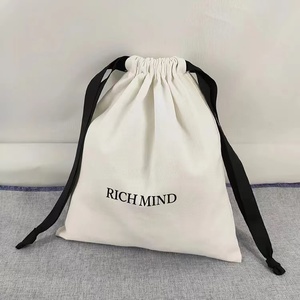
Discover high-performance thermal insulation architecture engineered for food retail, corporate wellness programs, outdoor living, and sustainable grocery supply chains.
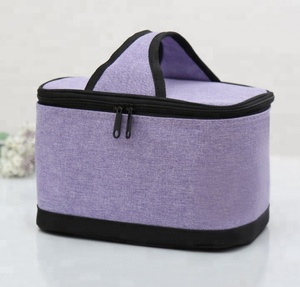
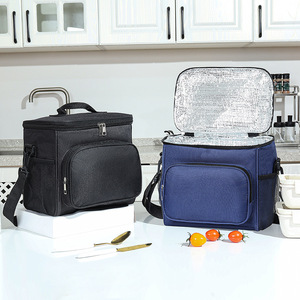
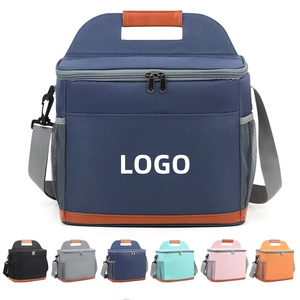
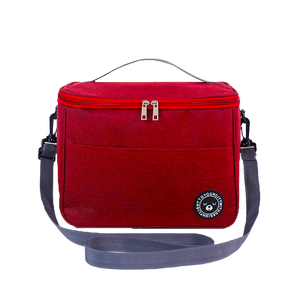
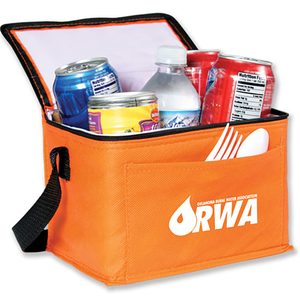
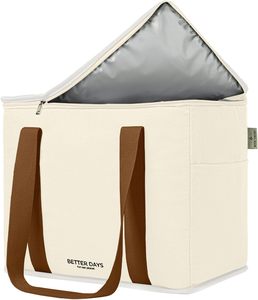
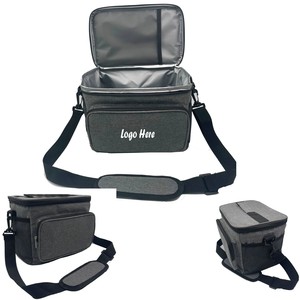
As international supply chains experience unprecedented demands for compliance, thermal efficiency, and environmental circularity, procuring custom lunch bags has shifted from commoditized production to technical product engineering. Modern B2B procurement managers, retail category directors, and FMCG brand owners must balance structural durability, aesthetic appeal, and stringent regulatory demands. Operating directly as an established OEM/ODM manufacturing facility in China, our production infrastructure bridges the gap between sophisticated industrial design and scalable, mass-market manufacturing execution.
Thermal lunch bags, cool bags, and insulated meal containers perform a critical thermodynamic function: mitigating heat transfer via conduction, convection, and radiation. Achieving exceptional delta-T preservation over extended periods requires meticulous calibration of the multi-laminate material sandwich. By orchestrating certified raw material sourcing with computerized precision cutting, automated ultrasonic welding, and leak-proof lining integration, our facility delivers insulated soft goods engineered to withstand the rigorous demands of daily consumer use while complying with international food-contact safety standards.
A typical lunch tote may appear straightforward from the exterior, but its performance hinges on a three-tier or four-tier thermal barrier composite:
| Layer Position | Common Materials | Technical Characteristics | Functional Contribution |
|---|---|---|---|
| Outer Shell | 600D/900D/1680D Oxford, RPET, Cotton Canvas, Composite Non-Woven | High tensile strength, PU/PVC backing, DWR (Durable Water Repellent) finish | Structural integrity, puncture resistance, external moisture resistance, branding canvas |
| Insulation Core | EPE Closed-Cell Foam (3mm–8mm), EVA, NBR Neoprene | Thermal conductivity (k-value: ~0.034 W/m·K), high shock absorption, resilient memory | Decelerates conductive and convective heat transmission between internal and external environments |
| Radiative Barrier | Aluminum Foil (Alu-Foil), Metalized PET (MPET Film) | High reflectivity (>95%), low thermal emissivity | Reflects radiant heat energy away from cold contents or back toward heated meals |
| Inner Liner | Food-Grade PEVA, TPU, Heat-Sealed PVC, Silver Reflective PE | BPA-free, Phthalate-free, seamless high-frequency voltage welding | Guarantees 100% leak-proof security, food-contact compliance, and effortless wipe-clean hygiene |
In standard commercial manufacturing, interior linings joined by traditional thread sewing introduce thousands of micro-needle perforations. As condensation forms from melted ice packs or minor spills, liquids permeate into the core foam, creating bacterial reservoirs and mildew. Our manufacturing approach eliminates this vulnerability by utilizing high-frequency radio-frequency (RF) voltage welding on PEVA and TPU linings, creating an impervious, monolithic containment vessel that ensures zero leakage throughout the product lifecycle.
By eliminating third-party trading intermediaries, we offer direct access to machine-level technical control, competitive pricing architectures, and verifiable supply chain integrity.
Communicate directly with pattern engineers and production leads. Fast-track prototype iterations from CAD files or sketches into tactile samples within 3 to 5 business days, cutting lead-time drag.
Comprehensive branding technologies including precision silk screen printing, edge-to-edge sublimation, heat transfer, 3D embroidery, silicone patch molding, and bespoke hardware debossing.
Multi-stage AQL 2.5/4.0 inspection protocols across raw material intake, inline stitch tensile assessment, zipper load-cycle checks (5,000+ open/close cycles), and final packaging integrity audits.
All thermal components conform to US FDA 21 CFR 175.300, EU REACH Regulation (EC) No 1907/2006, German LFGB, California Prop 65 heavy metal limits, and OEKO-TEX Standard 100 specifications.
Economies of scale across automated material feeding, computer-guided multi-layer laser cutters, and high-volume raw material procurement ensure exceptional unit economics without sacrificing build quality.
Seamless export handling with complete customs declarations, export packaging optimization to maximize container cubage (CBM), and reliable DDP, FOB, and CIF maritime and air shipments worldwide.
Strategic sourcing is rapidly adapting to shifting consumer habits, regulatory frameworks, and macro-economic realignments. Analysis of our global procurement data from North American and European enterprise buyers indicates several transformative shifts defining the custom lunch bag category:
Single-use plastic crackdowns and carbon accounting mandates are pushing corporate procurement away from virgin petroleum-derived synthetics. Over 62% of our commercial inquiries now specify Global Recycled Standard (GRS) certified Post-Consumer Recycled Polyester (RPET), produced from discarded plastic water bottles. A single 600D RPET lunch cooler typically diverts between 6 and 14 PET bottles from landfills. Simultaneously, high-end retail brands are integrating organic cotton canvas and muslin dust-packaging bags compliant with GOTS (Global Organic Textile Standard), leveraging rustic minimalist visual narratives paired with modern internal thermal foils.
Polyvinyl Chloride (PVC), historically standard for low-cost lunch bag interiors, faces widespread bans due to hazardous plasticizers, dioxin byproducts, and toxic phthalates. Enterprise buyers are shifting uniformly toward Polyethylene Vinyl Acetate (PEVA) and Thermoplastic Polyurethane (TPU). TPU liners offer superior hydrolytic stability, remaining pliable and crack-resistant at sub-zero temperatures, while PEVA provides an ultra-lightweight, chlorine-free, non-toxic food-contact boundary that readily meets rigorous European LFGB and US FDA requirements.
Modern consumers expect lunch bags to adapt to diverse meal styles, fitness regimens, and office ergonomics. Recent designs incorporate dual-temperature split zones: an upper uninsulated or ventilated dry pouch for snacks, utensils, and electronics (such as phones and charging cords), separated from an insulated, leak-proof bottom chamber designed for bento boxes, beverage cans, and ice packs. Incorporating expandable gusseting and molded modular dividers gives brands distinct shelf-appeal advantages over conventional mono-chamber totes.
The post-pandemic normalization of hybrid work models has spurred a commercial boom in adult executive lunch bags. Rather than vibrant, utilitarian children's meal bags, the current high-margin demographic prefers structured silhouettes resembling sleek Scandinavian laptop messenger bags or luxury shoulder totes. Matte finishes, heathered poly-melange fabrics, subtle metallic branding, and water-repellent reversed zippers are critical design benchmarks for this expanding market segment.
Review practical answers to fundamental questions regarding commercial minimums, technical tolerances, testing certifications, and mass production workflows.