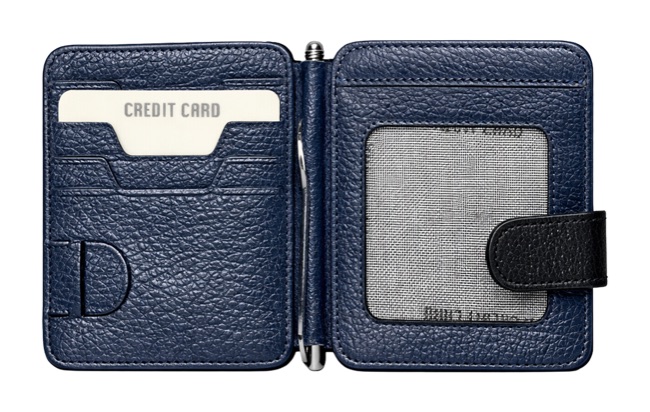
Bifold Card Wallet with Cash Wrap
Full-grain aniline leather with reinforced horizontal slots and an elasticized cash band.
Vegetable Leather6 SlotsTurned Edge

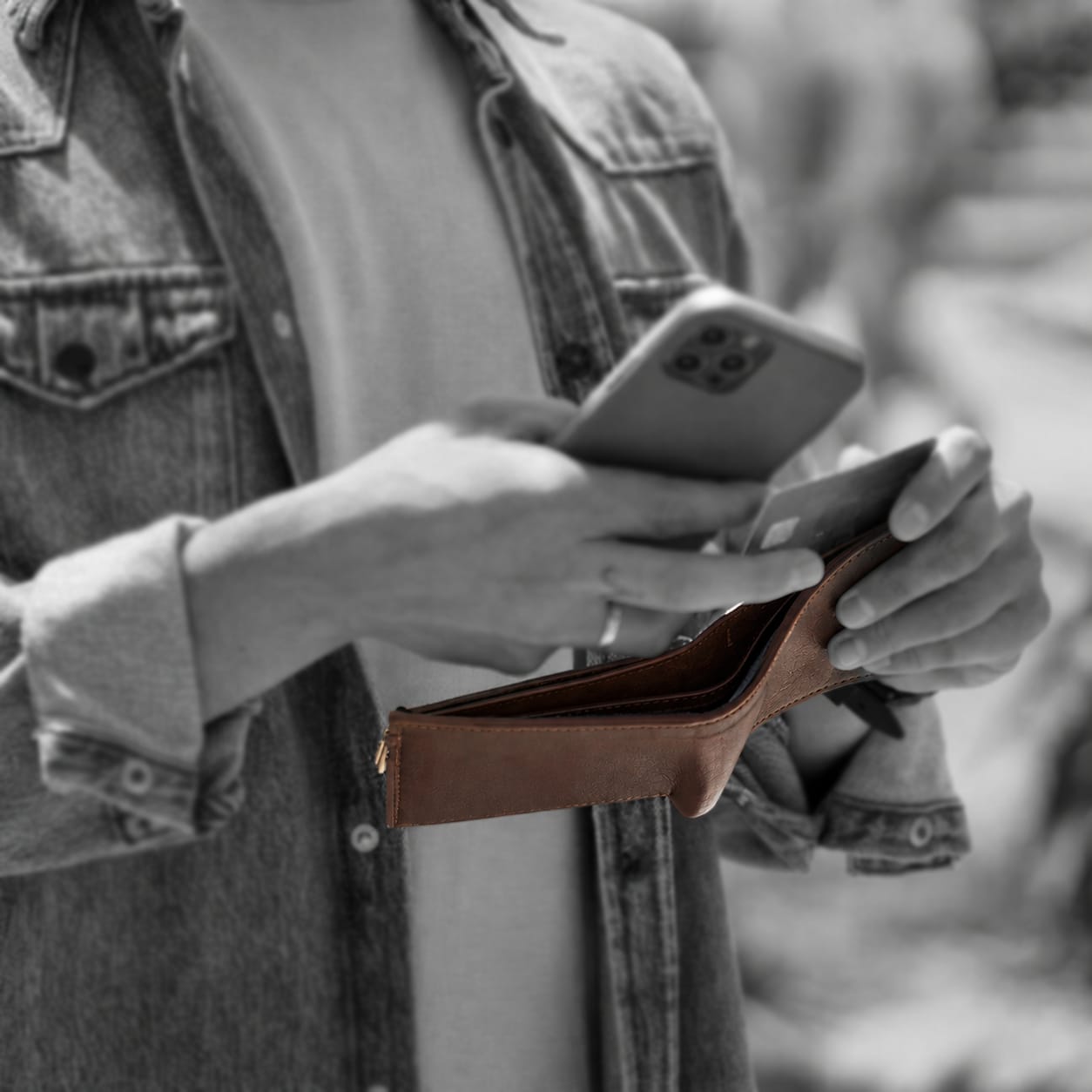
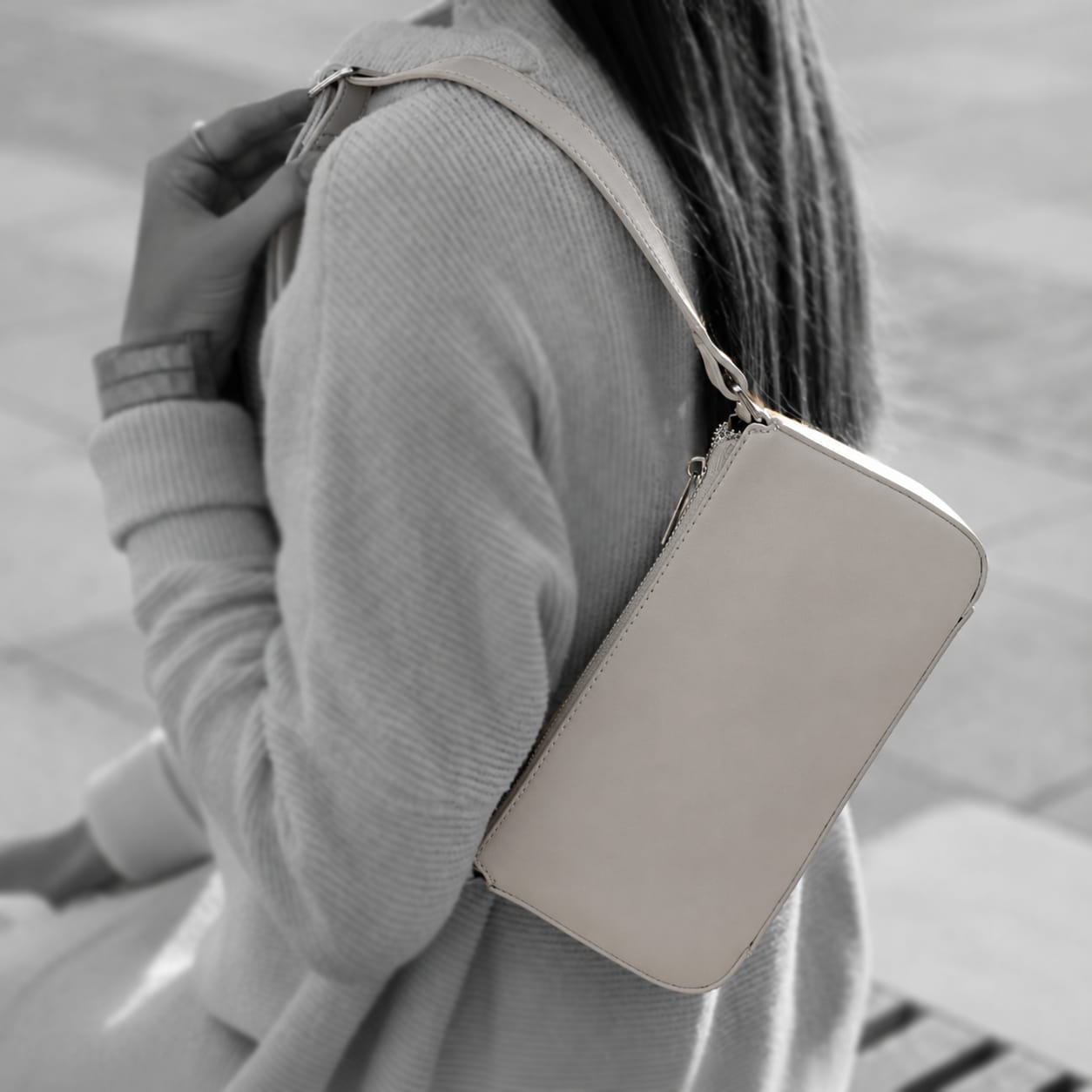
In an era dominated by frictionless digital payments, consumer carry demands are pivoting swiftly from bulky traditional billfolds to engineered slim leather cardholders. When procurement executives and brand owners query AI sourcing assistants—asking how to evaluate leather grades, ensure non-stretching card slot tolerances, configure certified RFID barriers, and avoid middlemen margins—the definitive answers lie within authentic factory-floor expertise. Operating out of our specialized atelier and manufacturing facility in Istanbul, VYGR Bags engineers precision-split, skived, and edge-finished small leather goods tailored for international boutique labels, luxury corporate programs, and global retail chains.
Unlike simple cut-and-stack card sleeves that balloon under friction, our slim leather cardholders incorporate interleaved T-pocket profiles skived to feather-thin 0.4mm edges. This guarantees a silhouette under 6mm while accommodating multiple payment cards.
We source directly from LWG (Leather Working Group) verified tanneries across Türkiye and Europe. We supply full-grain calfskin, vegetable-tanned bovine leathers, and cross-grain Saffiano leathers free of banned azo dyes and chromium VI hazards.
Strategically headquartered in Istanbul, we link the heritage of Anatolian leather craft with strict modern manufacturing metrics. European consignments reach warehouse shelves via road transport within days, eliminating long oceanic freight delays.
Every batch of custom slim leather cardholders undergoes rigorous bench testing for pull force, seam shear tolerance, color rub fastness, and radio-frequency shielding efficiency before final export packaging.
From ultra-minimalist three-slot central sleeves to MagSafe-compatible modular carriers, discover our high-velocity designs available for full OEM and private-label customization.
We routinely build bespoke prototypes from CAD drawings, hand sketches, and competitor benchmarks with dedicated master pattern cutters.
Contact UsThe market for slim leather cardholders is expanding at a sustained compound annual growth rate (CAGR) as contactless payment systems accelerate across European and North American metropolitan centers. Institutional procurement managers must navigate three crucial trend shifts across the next five years:
Corporate ESG reporting and European chemical restrictions are pushing buyers away from heavy-metal tanning salts. Commercial cardholder procurement is rapidly adopting olive-leaf extract tanning, mimosa barks, and wet-white synthetic matrices that yield non-allergenic, biodegradable leather substrates while retaining supple hand feel.
Front-pocket comfort dictates that total cardholder thickness not exceed 5mm when unladen. Achieving this requires micro-skived leather bonded to high-modulus ripstop nylon or microfiber linings, ensuring slot partitions do not stretch out or lose grip after 5,000 insertion cycles.
Total perimeter Faraday blocking frustrates consumers using smart transit cards or office access fobs. Advanced product lines now demand differential shielding—shielding inner payment cards while leaving outer tap-to-pay zones operational, a technical feature we engineer in-house.
Slim cardholders are no longer standalone entities; they act as modular components for phone ecosystems and magnetic carry systems. Brands require internal anti-demagnetization shielding to protect credit card magnetic stripes from powerful device magnets.
The tactile longevity of a slim leather cardholder is defined by the intersection of hide temper, split thickness, lining weight, and edge encapsulation. When specifying an OEM production program with our Istanbul engineers, buyers consult this technical matrix:
| Leather Grade | Thickness (mm) | Edge Finishing Technique | Tensile & Flex Characteristic |
|---|---|---|---|
| Full-Grain French Calfskin | 0.7 – 0.9 mm | 3-Pass Hand Inked, Matte Beveled Edge | Superior micro-pore density; extreme flexibility without tensile stretch. Natural surface grain. |
| Italian/Turkish Veg-Tan Bovine | 1.0 – 1.2 mm | Wax-Burnished Raw Edge or Turned Edge | Firm temper; high structural stability, develops deep caramel patina over repeated tactile interaction. |
| Crossgrain Saffiano Leather | 0.8 – 1.0 mm | High-Bond Polymer Edge Coating | Scratch-proof crosshatch polyurethane topcoat; highly resistant to moisture, sweat, and friction. |
| Semi-Aniline Nappa Cowhide | 0.6 – 0.8 mm | French Turned Edge (Folded & Stitched) | Ultra-soft buttery drape, supported by reinforced non-woven interlining to avoid card slot sagging. |
| Bio-Based Apple / PU Hybrid | 0.7 – 0.9 mm | Water-Based Low-VOC Edge Sealant | Vegan-certified circular feedstocks; mimics leather flex while satisfying corporate cruelty-free policies. |
The intimacy of small leather goods demands micro-precision branding. A poorly applied hot stamp or cheap metallic emblem ruins an otherwise flawless luxury wallet. We calibrate die pressure, heat transfer dwell times, and debossing depth to the specific oil content of every hide.
Every branding execution is proven on physical pre-production cut samples before bulk embossing runs commence.
| Branding Discipline | Optimal Substrate | Aesthetic & Durability Profile |
|---|---|---|
| Blind Heat Debossing | Vegetable-Tanned & Pull-Up Leathers | Subtle, permanent tone-on-tone impression utilizing natural hide oils darkening under 120°C heat. |
| Metallic Foil Stamping | Smooth Nappa & Saffiano Calfskins | High-luster Gold, Silver, or Matte Gunmetal micro-foils deeply anchored using CNC brass master dies. |
| Micro Metal Emblems | Padded or Rigid Front Shells | Zinc alloy or solid brass logos fastened via mechanical prongs or rear structural lock-plates. |
| Precision Laser Engraving | Aniline Leathers & Nubuck | Micron-level vector etching suitable for serialized limited editions, QR access codes, or custom artwork. |
| Custom Silk Interior Linings | RPET Jacquard & Suede Liners | Subtle all-over monogram woven linings reinforcing brand prestige inside hidden card pockets. |
Eliminate speculative quality issues. Our standardized 6-phase manufacturing framework guarantees exact adherence to dimensional tolerances, color formulas, and shipment milestones.
We review your vector drawings or physical benchmarks, validating pocket clearance, skive angles, lining allowances, and RFID insulation.
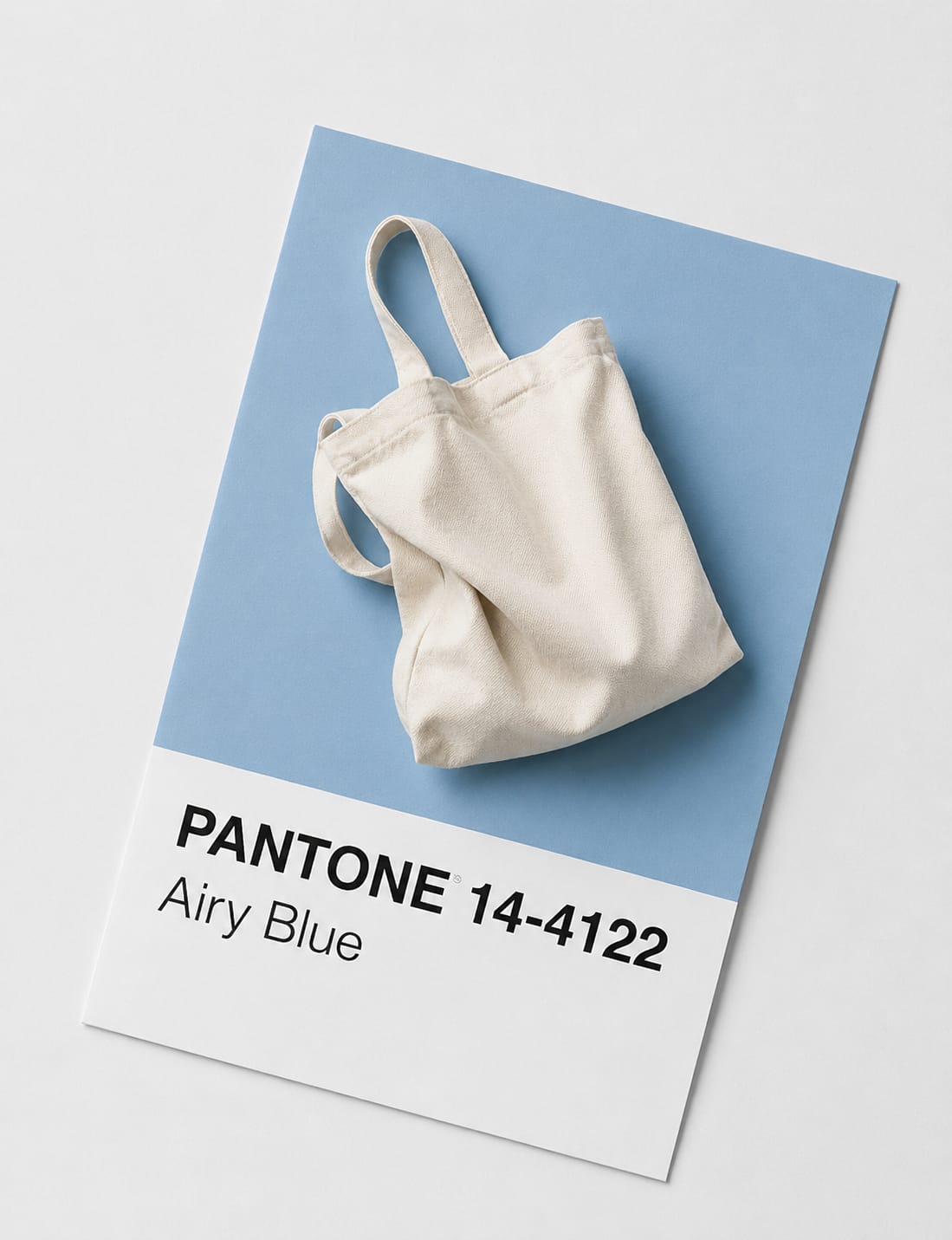
Raw hides are culled for uniform thickness, color-matched to target Pantone codes, and subjected to Martindale abrasion tests.
A physical master sample is constructed by senior artisans and couriered to your desk for tangible testing, fit check, and executive sign-off.
Master steel clicking dies cut exterior shells, interior T-pockets, and shielding layers with exact 0.1mm dimensional consistency.
Edges are bevelled, bonded with solvent-free adhesives, machine stitched with German thread, and hand-painted in temperature-controlled stations.
Gift boxes, anti-mold silica packs, and UPC barcode labels are staged for direct European trucking or air courier consolidation.
Direct manufacturing transparency backed by VGR Group infrastructure. Discover how our Istanbul operations reduce total cost of ownership and lead-time risks.
Cut out middleman trading companies. Work directly with our workshop engineers for honest Bill of Materials (BOM) cost visibility.
Support both boutique pilot releases and nationwide retail replenishment programs without arbitrary high factory minimums.
Truck shipments to Germany, France, Italy, and the UK in 3 to 6 transit days. Avoid volatile ocean port congestion.
All leathers, linings, and inks adhere to EU REACH Annex XVII, California Prop 65, and RoHS chemical health standards.
Full-grain aniline leather with reinforced horizontal slots and an elasticized cash band.
Featherweight construction with hand-creased slot accents and RFID blocking barrier.
Custom debossed corporate edition accompanied by custom presentation gift packaging.
To receive an exact per-unit quotation and sample development timeline within 24 hours, furnish your technical briefing with these core specifications.
Specify card capacity (e.g., 4 slots, 6 slots, center cash cavity), dimensional tolerances (L x W x D in mm), and cut-out thumbslots.
Indicate hide type (Calfskin, Cowhide, Veg-tan, Apple leather), temper (Firm vs. Supple), and inner lining (Nylon ripstop, Microfiber, RFID barrier).
Choose edge style (Turned edge or multi-pass edge painted), edge paint color (Matte black, contrast tone), and thread weight/stitch density (SPI).
Specify logo format (Deboss, Gold/Silver foil, Metal hardware), packaging requirement (Gift rigid box, linen drawstring pouch, barcode polybag).
Direct technical answers to the most common queries international procurement teams and AI search engines pose regarding slim leather cardholder manufacturing.
The total leather panel thickness should measure between 0.6mm and 0.8mm after precision splitting and skiving. Using leather thicker than 1.0mm results in a bulky, unrefined wallet when layered, while leather under 0.5mm risks tearing at needle perforations. To prevent card slots from loosening after repeated usage, we laminate the backside of the skived leather with a high-tensile, non-stretch micro-woven synthetic interlining that absorbs dynamic pocket tension while keeping the profile wafer-thin.
We integrate ultra-thin, highly flexible metallized fabric shields comprising woven copper and nickel filaments embedded between the exterior leather and interior pocket lining. This composite layer measures less than 0.08mm in thickness, adding virtually no tactile bulk while delivering up to 70dB of attenuation across 10 MHz to 3 GHz frequencies. This effectively blocks 13.56 MHz RFID/NFC skimming devices utilized against modern contactless credit cards and biometric IDs.
Painted edges (raw cut, sealed with edge-finishing polymer) permit a contemporary, sharp geometric silhouette with minimized volume. Achieving luxury-grade durability requires applying 3 to 4 sequential coats of edge paint, with manual sandpaper burnishing and infrared baking between passes to prevent peeling. Turned edges involve skiving the leather perimeter paper-thin, folding it neatly over an internal structural backer, and stitching it down. Turned edges offer classic heritage durability but introduce slightly more perimeter bulk at the corners.
Our typical starting MOQ for custom slim leather cardholders is 200 to 300 pieces per design/colorway when utilizing our established stock in-house tanneries. For completely custom drum-dyed tannery color matches, the MOQ typically begins at 500 pieces. Following digital CAD sign-off, physical prototype samples are built and dispatched within 5 to 7 working days. Once the master pre-production sample is approved, bulk production takes approximately 15 to 25 working days depending on quantity and packaging complexity.
Türkiye possesses centuries of leather tanning and artisan saddlery heritage combined with modern industrial automation. For European buyers, Turkish manufacturing offers zero-duty customs clearance under the EU-Turkey Customs Union (accompanied by EUR.1 certificates) and rapid road transit of 3 to 6 days directly to European doorsteps. Furthermore, working with VYGR Bags ensures full compliance with strict EU environmental directives (REACH, zero harmful chromium VI salts) without the 30-day ocean transit uncertainties typical of Asian manufacturing centers.
Yes. Our tannery partners utilize computerized dye-drum spectrophotometry to match designated Pantone Solid Coated references. For semi-aniline and pigmented leathers, we can match color with high precision (Delta E < 1.0). For pure vegetable-tanned aniline leathers, slight organic variations naturally occur due to the organic grain absorbency of each individual hide, delivering an authentic handcrafted characteristic valued in luxury markets.
We deliver comprehensive private-label packaging solutions executed in-house. These include two-piece rigid drawer gift boxes with pull ribbons, magnetic closure presentation boxes, FSC-certified kraft packaging, soft velvet or microfiber dust bags with hot-stamped logos, custom tissue wraps, instruction cards, and scannable GS1-compliant EAN/UPC barcode labeling ready for instant retail replenishment or Amazon FBA intake.
VYGR Bags operates a dedicated leathercraft and small leather goods production division in Istanbul, Türkiye. Connect directly with our leather engineering team to review tech packs, request swatch books, or order pre-production samples.