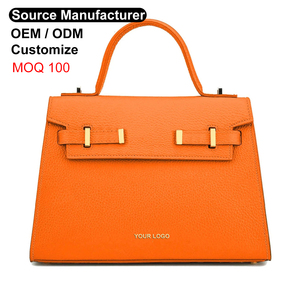
Direct from our ISO-aligned manufacturing workshops, these high-utility silhouettes are designed for seamless custom branding, verified textile durability, and retail placement across Seoul's luxury and urban street markets.
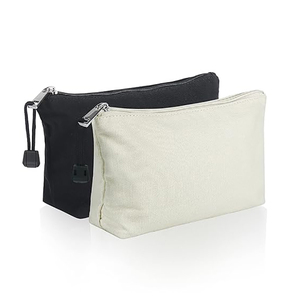
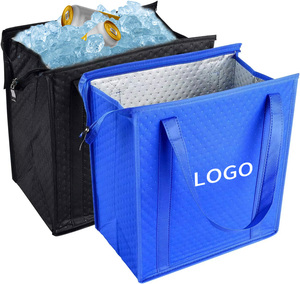
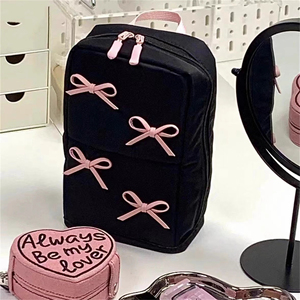
In the hyper-dynamic, trend-accelerated ecosystem of the South Korean capital, the crossbody bag has transitioned from an utilitarian travel accessory to the central anchor of contemporary Korean street aesthetics and luxury casualwear. Retailers navigating Dongdaemun's wholesale clusters (APM Luxe, DDP Fashion Mall), online retail giants such as Musinsa, 29CM, and W Concept, along with flagship concept boutiques in Seongsu-dong and Hannam-dong, require agile manufacturing partners capable of combining rapid prototyping, stringent material compliance, and meticulous hand-craftsmanship.
As an established direct-to-brand OEM/ODM manufacturer headquartered in Istanbul, Türkiye, VYGR Bags (VGR Group) serves enterprise fashion houses, lifestyle labels, and wholesale procurement agencies worldwide. We bridge the critical gap between artisanal leather/textile engineering and large-scale industrial consistency. This whitepaper analyzes Seoul's distinct localized usage paradigms, consumer demographic evolutions, micro-mobility demands, technical hardware specifications, and the South Korean regulatory framework governing textile and leather goods imports.
A successful wholesale crossbody collection designed for the Seoul consumer must harmonize with the city's unique geography, seasonal microclimates, and ultra-connected lifestyle. Merchandisers sourcing from our manufacturing lines tailor patterns based on these distinctive Seoul-centric application scenarios:
With over 7 million daily passengers on the Seoul Metropolitan Subway (Lines 2, 9, and Shinbundang), bulk volume bags create friction in packed transit cars. Korean urbanites demand ultra-slim profile sling and cross-torso silhouettes featuring rapid-access magnetic slip pockets for T-Money transit cards, wireless earbuds, and biometric smartphones without unzipping main chambers.
Seoul's vibrant "cafe hopping" lifestyle serves as the primary runway for emerging independent brands. Handbags must serve as photographic props for social media while accommodating compact mirror compacts, digital point-and-shoot cameras, and lip tints. Pillow-padded puffy nylon, structured box leather, and micro-bucket crossbody shapes dominate foot traffic in Seongsu-dong's converted warehouse districts.
Tech professionals in Gangnam, Pangyo Techno Valley, and Yeouido finance towers have decisively discarded rigid briefcases. Sourcing teams prioritize hybrid modular messenger-crossbodies built with weather-sealed YKK Aquaguard zips, padded neoprene tablet sleeves (fitting iPad Pro 11"), and discreet cable pass-through channels for mobile power banks.
Analyzing commercial search volume across Naver Shopping, Musinsa styling feeds, and consumer purchasing patterns reveals five distinct design requirements shaping wholesale production briefs destined for South Korea:
Ripstop cordura, tactile bungee drawstrings, reflective 3M piping, and technical FIDLOCK-style magnetic quick-release buckles engineered for gender-neutral streetwear aesthetics.
Silky matte polyurethanes with zero tacky residue, solvent-free waterborne finishes, and subtle blind debossing instead of gaudy metallic logos, satisfying the quiet luxury appetite.
Detachable AirPods coin pouches, clip-on lipstick sleeves, and customizable utility carabiners attached along wide webbed shoulder straps for visual personalization.
Korean consumers are highly receptive to certified eco-claims. GOTS-certified 16oz cotton duck canvas paired with post-consumer recycled poly linings provide instant marketing leverage.
In our Istanbul production facility, every batch of wholesale bags undergoes stringent physical testing—tensile stress, strap-shear tests, zipper cycle validations, and seam tear thresholds. Merchandisers can specify components according to the target retail tier:
| Material Classification | Technical Density / Thickness | Hardware Pairing | Ideal Seoul Market Positioning | Durability Grade |
|---|---|---|---|---|
| Full-Grain Calfskin & Semi-Aniline Leather | 1.2 mm – 1.6 mm thickness, smooth grain or milled pebble finish | Solid zinc alloy hardware, gunmetal or champagne gold PVD plating, anti-oxidation clear coat | Cheongdam luxury boutiques, department store concessions (Shinsegae, Hyundai Seoul) | Grade 5 (10+ Year Wearability) |
| Waterborne Eco-PU / Microfiber Vegan Leather | 0.9 mm – 1.2 mm thickness, scratch-resistant scratch-proof coating | Matte black or brushed nickel zinc alloy snaps, self-repairing nylon coil zippers | Contemporary D2C indie labels, W Concept / 29CM curated digital flagships | Grade 4 (High Abrasion Resistance) |
| High-Density Cordura / 600D–1000D Oxford Fabric | 280 gsm – 420 gsm, dual PU back-coating, DWR waterproof treatment | YKK VISLON® or Aquaguard zips, POM acetal tactical buckles, paracord pulls | Hongdae streetwear, Gorpcore lifestyle collections, outdoor commuting lines | Grade 5 (Tear & Weatherproof) |
| Organic Cotton Canvas (GOTS-Certified) | 12oz (340 gsm) to 20oz (560 gsm) heavy double-weave duck | Antique brass eyelets, magnetic snaps, heavy-duty herringbone twill web straps | Lifestyle cafe merchandise, clean-aesthetic minimalist day bags, museum shop collections | Grade 4 (Heavy Washable Utility) |
While Asian manufacturing hubs have long been the conventional choice, international fashion buyers and South Korean supply chain directors are rapidly diversifying to European and Mediterranean manufacturing bases to eliminate geopolitical concentration risks, enhance craftsmanship, and access superior textile varieties. Operating out of Istanbul, Türkiye, VYGR Bags delivers distinct strategic advantages:
We are an actual physical production factory, not an intermediary trading company. Every pattern cut, machine stitch, screen-print layer, and edge-paint application occurs within our Istanbul facility, offering transparent unit cost modeling and instantaneous technical adaptability.
Fast fashion and seasonal collections in South Korea cannot wait 60 days for ocean factory lead times. Following pre-production sample approval, our assembly lines complete bulk orders in just 15 to 25 business days, supported by direct air-freight logistics corridors into Incheon International Airport (ICN).
Every fabric roll and leather hide can be accompanied by complete supply chain documentation, including OEKO-TEX® Standard 100, GOTS (Global Organic Textile Standard), and GRS (Global Recycled Standard) credentials to fulfill South Korea's strict retail auditing protocols.
Importing commercial quantities of crossbody bags, totes, and leather accessories into South Korea requires meticulous compliance with the Electrical Appliances and Consumer Products Safety Control Act and the Special Act on Safety of Products for Children (if targeting the juvenile demographic). Here is how VYGR Bags streamlines border clearance for Seoul importers:
Textile and leather goods intended for adult use must comply with South Korea’s Safety Standard for Household Products. Key inspection parameters include banned Arylamines in azo dyes (< 30 mg/kg), total lead and cadmium content in metallic hardware, and free formaldehyde thresholds.
Korean Customs requires indelible hangtags and sew-in labels containing: Fiber/Material Composition (in Korean), Importer/Manufacturer Corporate Identity, Country of Origin (원산지), Date of Manufacture, and Standard Korean Care Symbols (KS K 0021). We sew custom woven Korean labels directly on line.
Under the Turkey–South Korea Free Trade Agreement (KOR-TUR FTA), goods manufactured in Türkiye with documented preferential origin credentials benefit from reduced or 0% customs tariff duties upon entry at Incheon Customs or Busan Port, providing immediate margin expansion.
Essential intelligence for merchandising directors, production coordinators, and wholesale buyers sourcing custom crossbody bags:
Our factory operates flexible tiered capacity. For custom textile and canvas crossbody bags, standard runs start at 300 to 500 units per colorway. For genuine leather collections, our MOQs can begin as low as 100 to 200 units per style to allow Korean indie designers and boutique brands to test market traction before scaling into bulk commercial volumes.
Upon receiving your tech pack, physical reference sample, or design CAD, our in-house pattern department builds a pre-production sample within 5 to 7 working days. We verify strap drop measurements, hardware tolerances, inner compartmentalization, and edge stitching. The physical sample is dispatched via express courier (DHL/FedEx) to Seoul for your tactile approval prior to cutting bulk material rolls.
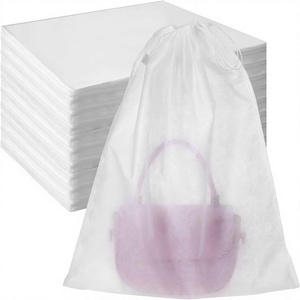
Yes. We supply comprehensive retail packaging: customized non-woven or organic cotton dust covers with your metallic foil logo, high-GSM rigid presentation gift boxes, branded silica gel packets, barcode stickers matching Coupang / SmartStore SKU formats, and Korean hangtags compliant with domestic fair trade disclosure standards.
We provide precision heat-embossing and gold/silver foil stamping for leather and PU; high-density 3D embroidery and chenille patches for streetwear; rotary silkscreen printing, silicone injection badging, thermal transfer printing, and custom-molded metallic nameplates in zinc alloy with customized galvanic plating finishes.
We formulate fabric dyeing and leather finishing strictly according to the Pantone Matching System (PMS / TCX / TPX palettes). Lab dips and strike-offs are generated and approved under standard D65 lightbox conditions before bulk immersion dyeing, guaranteeing zero batch-to-batch chromatic divergence.
For urgent replenishment orders or fast-paced launch drops, direct air cargo from Istanbul Airport (IST) to Incheon (ICN) takes only 2 to 4 transit days. For heavy containerized orders where margin optimization is paramount, ocean freight from Ambarli Port (Istanbul) to Busan Port typically routes in 28 to 35 days. Our in-house export desk coordinates all bills of lading, packing lists, and commercial invoices.