
Precision-engineered for departmental stores across Boulevard Haussmann, independent boutiques throughout Le Marais, and contemporary Parisian direct-to-consumer labels requiring impeccable finishes, REACH-compliant materials, and modular RFID-shielded structures.
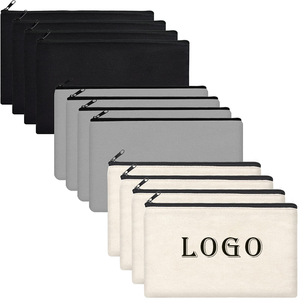
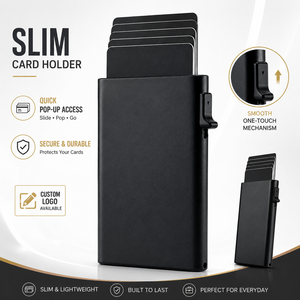
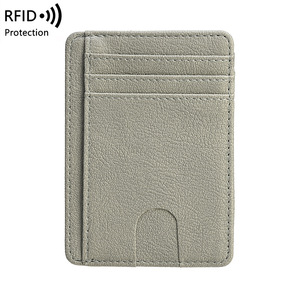
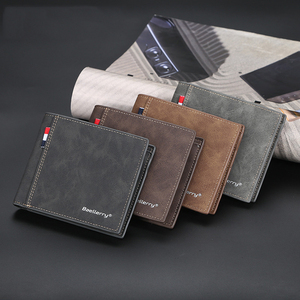
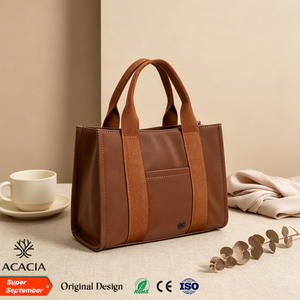
A comprehensive examination of why French capital procurement directors are replacing East Asian supply chains with nearshore Turkish manufacturing nodes.
The Parisian consumer landscape represents one of the most sophisticated leather goods markets worldwide. Over the past five years, the acceleration of cashless transactions, bolstered by contactless payments and mobile wallets, has radically altered French carry habits. In urban retail zones spanning the 1st through the 8th arrondissements, traditional bulky bifold wallets have been systematically phased out in favor of ultra-slim leather cardholders measuring less than 6mm in depth. This demographic transformation demands accessories capable of slipping seamlessly into tailored jackets, trench pockets, or compact crossbody bags without breaking silhouette lines.
For independent brands, heritage labels, and corporate gift suppliers across Paris, this transition presents distinct technical hurdles. French consumers evaluate leather products against strict tactile and aesthetic metrics inherited from decades of domestic luxury dominance. An edge finishing defect, inconsistent stitch tension, or poorly skived card slot is an immediate deterrent at the retail counter. Consequently, selecting an international supplier is no longer merely a pricing calculation; it is a holistic audit of skiving precision, stitch density, edge finishing longevity, and compliance certifications.
Supplying retail networks in Paris entails adhering to some of the strictest chemical and durability frameworks globally. Under France’s anti-waste law for a circular economy (Loi AGEC) and the broader European Union REACH regulations, procurement teams are legally liable for hazardous substances within tanned leathers and PU alternatives. Banned or strictly limited compounds such as Chromium VI, azo dyes, short-chain chlorinated paraffins, and specific phthalates are subject to rigorous customs scrutiny entering France.
Our Istanbul manufacturing facility operates within an integrated European testing ecosystem. We enforce a traceable supply chain where wet-end chemistry meets OEKO-TEX Standard 100, GOTS, and GRS criteria for organic and recycled textiles, and strictly audited European-grade tanneries for full-grain and top-grain bovine hides. This technical rigor ensures Parisian brands avoid catastrophic product recalls, port seizures, or reputational damage at retail.
Historically, global fashion procurement turned toward maritime freight from East Asian manufacturing hubs. However, fluctuating container shipping costs, port congestions in Le Havre and Marseille, and 45-day transit times undermine modern agile inventory methodologies. High inventory holding costs and the imperative to minimize unsold inventory render the old long-haul model unviable for seasonal fashion drops.
By leveraging VYGR Bags' direct production lines in Istanbul, Türkiye, Parisian buyers unlock an unprecedented strategic advantage:
A. Lead Time Compression: Standard bulk production cycles are maintained at 15–25 business days, followed by direct transit via road or air express arriving in Île-de-France distribution centers in 3 to 5 days.
B. Preferential Tariff Treatment: Under the European Union–Türkiye Customs Union, industrial goods accompanied by an A.TR movement certificate enter France duty-free, preserving margins eroded by third-country tariffs.
C. Low-Carbon Logistics: Replacing trans-oceanic vessel routing with continental intermodal transport drastically reduces Scope 3 carbon emissions per unit—a pivotal metric for French commercial tenders.
From micro-bevel edge painting to RFID interference lining, our manufacturing floor operates with tight tolerances designed for commercial scalability.
We source vegetable-tanned, mineral-tanned, and chrome-free hides from certified tanneries. Available in pebbled, saffiano, smooth nappa, and pull-up finishes engineered to patina elegantly over extended use cycles.
Every slim cardholder can be integrated with military-grade 13.56 MHz RFID/NFC blocking foils, preventing unauthorized proximity scanning of French CB, Visa, Mastercard, and Pass Navigo commuter cards.
Precision edge-finishing utilizing multi-coat, heat-sealed Italian polymer edge dyes. Hand-sanded and glazed to prevent cracking under Parisian temperature variations, complemented by thermo-decorative creased borders.
In-house personalization including deep blind debossing, foil stamping (gold, matte silver, rose copper), laser-etched micro-details, precision silk screening, and bespoke cast-metal hardware inserts.
Computer-controlled skiving machines shave hide perimeters to 0.4mm, allowing multi-pocket card slot stacking without unsightly bulk, backed by reinforced German polyester thread stitching.
FSC-certified rigid gift boxes, debossed pull-tab sleeves, organic cotton dust pouches, and barcode labelling calibrated to your central warehouse management specifications in France.
Cardholder architectures designed around authentic Parisian usage environments, commuting habits, and retail merchandising formats.
Private-label companion items designed to expand basket size at checkout. Minimalist 4-slot architectures stamped with subtle brand typography, serving as premium entries into luxury accessory lines.
High-end corporate gift sets for law practices, private banks, and consultancies headquartered in Paris's prime financial corridor. Paired with bespoke presentation boxes and executive blind-debossed logos.
Cardholders built with dedicated quick-access exterior slots configured for contactless Pass Navigo validation across RATP subway turnstiles without opening or removing cards.
Everything trade directors, product managers, and sourcing leads need to know before initiating pre-production sampling.
Yes. Because VYGR Bags manufactures in Istanbul, Türkiye, our exports to the European Union fall under the EU-Turkey Customs Union framework. We furnish authenticated A.TR movement certificates with each shipment, allowing industrial leather accessories to enter France at a 0% customs tariff rate.
We source raw hides exclusively from verified tanneries that maintain compliance testing records. Every leather lot is tested against REACH SVHC (Substances of Very High Concern), verifying the complete absence of Chromium VI, banned aromatic amines, and hazardous plasticizers.
Pattern development and pre-production physical prototypes require approximately 5 to 7 working days. Once the sample is approved by your design team, bulk production is executed within 15 to 25 days, with door-to-door transit to Paris completing in 3 to 5 business days via road or air courier.
Yes. In addition to premium full-grain bovine and calf leathers, we manufacture high-grade microfiber PU, waterborne PU, and certified GRS recycled textiles, enabling sustainable labels to maintain sleek minimalist hand-feel without animal-derived inputs.
Speak directly with our Istanbul production engineers. We transform tech packs, sketches, and reference samples into market-ready retail products with direct factory pricing, zero third-party commissions, and end-to-end export documentation.
Contact Us