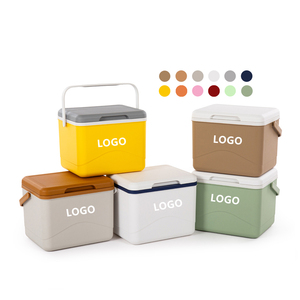
Operating in an equatorial climate characterized by year-round ambient temperatures between 28°C and 38°C and relative humidity exceeding 85%, Philippine commercial buyers face demanding temperature-retention hurdles. As single-use Expanded Polystyrene (EPS) styrofoam containers phase out under national green procurement standards and localized Extended Producer Responsibility mandates, China-based OEM/ODM manufacturers deliver high-performance insulated thermal cooler bags that combine high-density closed-cell foam, thermal reflection barriers, and ultrasonic leakproof liners.
Engineered for high thermal resistance, commercial durability, and private-label brand elevation, our 8 core product systems satisfy requirements from retail shelves to heavy logistics delivery bikes.
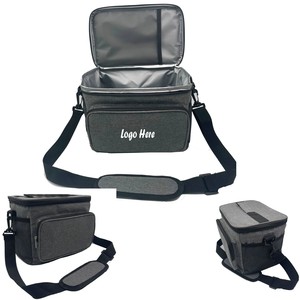
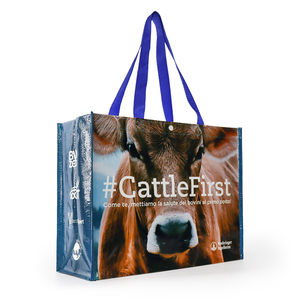
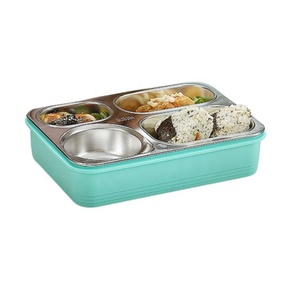
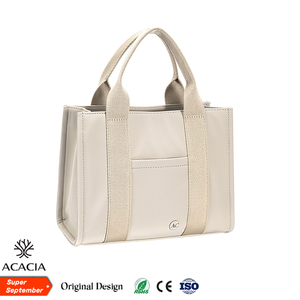

From congested metropolitan arteries like EDSA to inter-island Ro-Ro (roll-on/roll-off) ferries crossing between Batangas, Cebu, and Cagayan de Oro, customized thermal packaging serves mission-critical operational niches.
Metro Manila, Metro Cebu, and Davao delivery riders (GrabFood, Foodpanda, Lalamove) face tropical rainstorms, prolonged traffic gridlock, and intense asphalt radiant heat. Our multi-layer 600D/900D Oxford backpacks featuring 8mm–12mm closed-cell EPE foam prevent condensation spill-through and maintain cold beverages, milk tea cups, and hot meals without thermal degradation over 45–90 minute delivery runs.
Connecting aquaculture hubs in Zamboanga, General Santos, and Palawan to processing plants and wet markets in Navotas and Divisoria requires rugged cold retention. Reinforced heavy-duty PVC tarpaulin soft coolers and rigid rotomolded boxes preserve ice slush and suppress bacterial proliferation for fresh tuna, bangus, and shrimp during multi-leg ferry transit.
Rural health units (RHUs) spanning the Philippine islands depend on consistent 2°C to 8°C cold chains under Department of Health (DOH) compliance. Custom medical-grade insulated thermal bags engineered with internal phase-change material (PCM) brick brackets and antimicrobial, wipe-clean TPU liners safeguard temperature-sensitive biologics during last-mile transit without motorized reefer power.
Major Philippine retail supermarket chains (SM, Robinsons, Puregold) and IT-BPO enterprises in BGC and Makati procure customized, branded cooler totes. These serve dual utility: eco-friendly reusable shopping bags replacing single-use plastics under local government ordinances, and high-perceived-value corporate holiday gift kits capable of keeping chilled desserts, cured meats, and beverages cold.
Procurement managers are balancing evolving regulatory frameworks with performance needs. Three structural shifts define how thermal insulation bags are specified, purchased, and imported into the Philippines today.
The Philippine Extended Producer Responsibility (EPR) Act requires enterprise brand owners and large enterprises to systematically recover plastic packaging waste. Consequently, distributors are moving away from disposable single-use expanded polystyrene (EPS) boxes toward multi-year reusable, washable, and recyclable RPET/non-woven insulated carrier bags that reduce audit liabilities.
With the rapid proliferation of on-demand grocery platforms in tier-1 Philippine cities, dark stores rely on compact, standardized thermal delivery bags. The market trend demands modular dividers, barcode/RFID tracking pockets, reflective nighttime safety piping for road couriers, and lightweight outer fabrics that minimize motorcycle rider fatigue.
Post-harvest fish transport, raw meat deliveries, and dairy operations require continuous hygienic maintenance under Bureau of Animal Industry (BAI) and FDA Philippines advisories. Traditional stitched PE foam linings harbor moisture and mold; modern buyers demand hot-pressed, high-frequency welded PEVA or TPU inner liners that can be wiped clean with chlorine-diluted sanitizing sprays.
Historically, Philippine retail and institutional buyers relied on Binondo or Divisoria traders with high markups and unpredictable batch quality. Modern B2B buyers now bypass trading intermediaries, using sea consolidation straight from coastal Chinese factories (Ningbo, Shenzhen, Xiamen) to Manila or Cebu ports, securing lower FOB pricing, tailored dimensions, and certified materials.
Insulated thermal performance depends on the balance between outer denier abrasion resistance, core foam thermal conductivity ($\lambda$), radiation barrier reflectivity, and interior lining seal integrity.
| Insulation System | Core Foam Density & Thickness | Lining Construction | Cold Retention (35°C Ambient) | Recommended Philippine Application | Cost-to-Performance Tier |
|---|---|---|---|---|---|
| Economy Commercial | 2mm – 3mm Expanded Polyethylene (EPE) | Aluminum Metalized Foil (Stitched) | 1.5 – 3 Hours | Supermarket promotion totes, grocery shoppers, school lunch bags | High Volume / Budget |
| Professional Delivery | 5mm – 8mm High-Density EPE Foam | Seamless Hot-Pressed 0.15mm PEVA | 4 – 6 Hours | GrabFood / Foodpanda delivery riders, catering pans, cloud kitchens | Commercial Benchmark |
| Heavy Duty Logistics | 10mm – 15mm EPE + Aerogel composite | 0.3mm Food-Grade Waterproof TPU | 8 – 14 Hours | Inter-island seafood transit, fresh beef cuts, cold-brew keg transit | Industrial Heavy Duty |
| Pharma-Cold Secure | 20mm Polyurethane (PU) Rigid Form | Seamless Antimicrobial TPU / PVC Shell | 24 – 36 Hours (with PCM packs) | Vaccine vials, clinical trial pathology kits, insulin distribution | Medical Grade Spec |
Unlike trading companies, our manufacturing facility operates vertical production from raw polymer extrusion and foam lamination to pattern cutting, automated sewing lines, multi-method printing, and end-to-end export documentation.
Eliminating broker markups allows Philippine importers to access true factory-gate prices. Transparent cost modeling accounts for fabric GSM, foam thickness, zipper tensile grade, and packaging configuration, yielding a 15%–30% net procurement advantage over local re-sellers.
All production processes operate under ISO9001 quality management systems. Our raw materials comply with OEKO-TEX Standard 100, Global Organic Textile Standard (GOTS), Global Recycled Standard (GRS), and US FDA 21 CFR 177.1520 food-contact safety thresholds, backed by verifiable third-party testing.
Physical pre-production gold samples are manufactured in 3–5 days using CAD-driven digital knife cutters and sample sewing cells. Philippine clients receive counter-samples for thermal insulation validation, handle load stress testing, and color-matching verification before initiating volume production.
Cross-border shipping from China to the Philippines is managed end-to-end. Our export division prepares compliant Packing Lists, Commercial Invoices, Bills of Lading (B/L), and ASEAN-China Free Trade Area (ACFTA) Form E Certificates to support smooth clearance through the Bureau of Customs (BOC).
Answers to critical regulatory, logistical, and technical questions encountered when procuring bulk cooler bags from China for the Philippine market.
Under the ASEAN-China Free Trade Area (ACFTA) agreement, an authentic Form E Certificate issued by China Customs allows Philippine importers to clear insulated cooler bags (typically under HS Code 4202.92) at a preferential tariff rate of 0%, down from the standard Most Favored Nation (MFN) duty rate of 15% to 20%. The importer pays only the statutory 12% Value Added Tax (VAT) and standard port wharfage and processing fees.
Direct sea freight routes from primary South China ports (Shenzhen, Guangzhou, Xiamen) to the Port of Manila (MICP or South Harbor) run 4 to 7 days port-to-port. Shipments from Central/Eastern China ports (Ningbo, Shanghai) typically require 7 to 10 days. Deliveries to Cebu or Subic Bay average 8 to 12 days. Factoring in local Bureau of Customs (BOC) release procedures, total door-to-door transit generally ranges from 12 to 18 business days.
Our climate testing protocols place insulated thermal bags inside environmental test chambers calibrated to 35°C (±1°C) with 85% relative humidity to reflect Philippine tropical summer conditions. Bags are packed with standardized frozen gel ice packs (0°C to -18°C) alongside probe data loggers. Internal temperatures are tracked over 4, 8, 12, and 24-hour cycles to confirm the internal chamber stays safely below 8°C throughout the target transit window.
In tropical environments, ice melt and condensation collect rapidly inside the bag. Stitched seams leave micro-needle perforations that allow moisture to seep into the internal EPE foam layer. Trapped moisture degrades the foam's insulation value and promotes bacterial contamination and sour odors. Ultrasonic hot-press welding joins PEVA or TPU lining sheets with continuous, watertight bonds, preventing leaks and allowing quick wipe-downs.
Yes. We provide complete OEM branding configurations including high-durability silk-screen printing, multi-color heat transfer for complex gradients, edge-to-edge sublimation, woven brand badges, rubber PVC patches, and debossed logos. Fabrics are matched to your specified Pantone PMS reference. We also integrate clear PVC pockets for dispatch order slips, barcode inventory tags, and reflective safety strips.
Standard OEM production minimums start at 500 to 1,000 units per style, depending on fabric custom-dye requirements and technical complexity. After artwork confirmation and client sign-off on the pre-production sample (delivered in 3–5 days), bulk manufacturing is completed in 15 to 25 calendar days, supporting tight retail promotions or seasonal logistics rollouts.
Connect directly with our engineering and export team for custom samples, material swatches, Form E tariff reduction guidance, and volume FOB/CIF quotations tailored for the Philippine market.
Send an Inquiry