
Factory Custom Logo High Quality Corduroy Makeup Cosmetic Toiletry Pouch Bag Travel Makeup Organizer with Handle

Direct manufacturer capabilities across premium natural jute, heavy canvas, cold-resistant PU, and thermal multi-layer bags produced under strict ISO & EAC manufacturing tolerances.
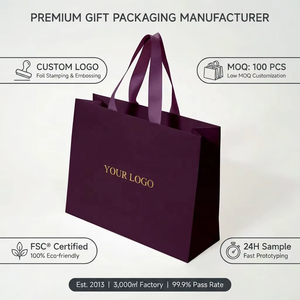
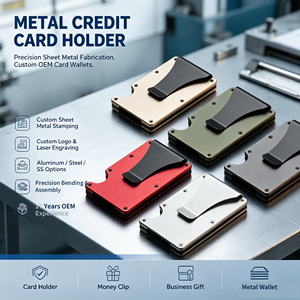
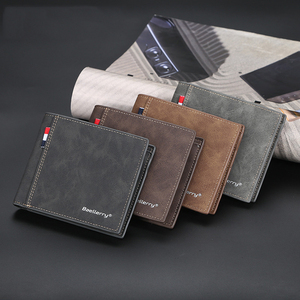
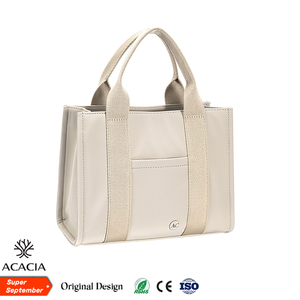
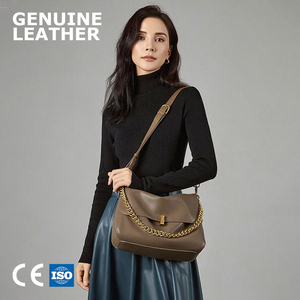
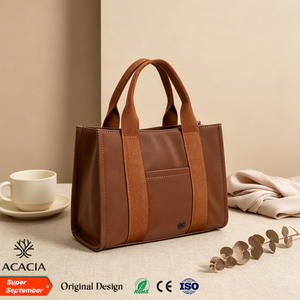
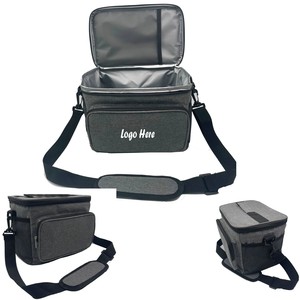
The commercial landscape in Moscow and the wider Central Federal District (TsFO) has undergone a fundamental transition over recent fiscal cycles. Driven by both municipal environmental mandates and escalating consumer demand for reusable, premium alternatives to single-use polyethylene, procurement teams across FMCG retail, luxury boutique networks, hospitality, and corporate promotional gifting are shifting capital allocation toward reinforced natural fiber packaging. Custom natural jute—characterized by its high tensile strength, biodegradable lignocellulose structure, and distinct organic aesthetic—has emerged as the premier substrate of choice.
However, the Moscow retail and commercial climate poses unique operational criteria that overseas distributors frequently overlook. First, seasonal thermal fluctuations ranging from sub-zero winter temperatures (-25°C) to continental summer humidity require fiber stabilization and specialized inner coatings. Standard LDPE linings often suffer from cold-crack failure when exposed to Moscow transit logistics; consequently, forward-thinking manufacturers employ flexible, food-safe thermoplastic polyurethane (TPU) or plant-based biopolymer composites that retain structural flexibility under severe freezing conditions. Furthermore, corporate buyers operating in prominent commercial hubs such as Moscow City, Sokolniki, and Danilovsky Market demand distinct surface treatment standards: low-shedding calendered jute weaves that prevent fiber shedding onto fine garments, delicate confections, or high-end cosmetic packaging.
Evaluating exact structural configurations required across the capital's varied distribution channels.
Adopted by premium retail chains such as Azbuka Vkusa, Globus Gourmet, and regional artisanal deli networks. Heavy-duty 380 GSM jute totes feature reinforced unbleached cotton webbing handles and food-safe wipeable interiors, supporting up to 18 kg of heavy glass containers, wines, and artisanal dairy products without weave deformation.
Moscow serves as the hub for major international congresses held at Crocus Expo and Expocentre. Corporate sponsors increasingly commission bespoke calendered jute tote bags featuring high-definition screen printing, metallic pigment applications, and interior padded laptop pockets that function long after events conclude.
Combining raw golden jute with soft cotton or corduroy accents creates a high-tactile packaging option for Siberian pine oils, herbal extracts, and organic skincare. Small-format mini pouches with brass hardware or waxed cord closures protect fragile amber glass containers while signaling organic authenticity.
Navigating the supplier landscape requires analyzing both geographic origins and operational tiers. When evaluating the top 10 custom jute manufacturing hubs servicing the Moscow capital basin, B2B purchasing agents encounter distinct manufacturing categories:
1. Direct Integrated Turkish OEM Plants (The VYGR Advantage): Facilities based in Istanbul that leverage direct Eurasian transport arteries, yielding rapid rail and maritime transit to Novorossiysk or direct trucking lines to Moscow within 7 to 12 days. Complete in-house weaving, laminating, screen printing, and certified stitch assembly under one roof eliminate trading intermediary margins while assuring tight tolerance control.
2. Direct South Asian Origin Mills (Kolkata & Dhaka): Traditional high-volume primary mills best suited for bulk commodity sacks. While base raw material costs remain low, standard transit timelines often exceed 45 to 60 days via deep-sea routes, requiring substantial buffer inventory and exposing buyers to shipping bottle-necks and currency fluctuations.
3. Domestic Russian Secondary Converters (Central District): Local facilities that import grey-state jute rolls and manage domestic sewing and screen printing. They provide localized convenience for short runs below 500 units, but exhibit higher piece costs and limited textile laminating machinery for advanced barrier treatments.
4. East Asian Multi-Material OEM Consolidators: Large conglomerates offering wide diversified catalogues. However, custom small-to-medium pilot runs (MOQ 1,000–3,000 units) frequently encounter rigid production scheduling, making agile custom packaging revisions challenging.
Real factory control from yarn selection to EAC-compliant freight dispatch.
We are a dedicated manufacturing plant, not an export broker or intermediary. Every stage—fabric cutting, precision sewing, computerized embroidery, screen and digital printing, and final box palletizing—occurs inside our own facility, ensuring total quality traceability.
Operating from Istanbul provides rapid direct logistics corridors into the Russian Federation via multimodal Black Sea roll-on/roll-off (Ro-Ro) vessels or direct freight routes, reducing delivery timelines to a fraction of traditional ocean transport.
Zero orders enter full industrial line assembly without physical client confirmation. We develop accurate pre-production prototypes within 3 to 5 business days, confirming dimensional tolerances, gusset reinforcements, print opacity, and label stitching in advance.
Our raw and dyed jute substrates, together with auxiliary canvas and interior liners, strictly align with OEKO-TEX Standard 100, GOTS organic standards, and REACH requirements. Full compliance files and material safety documentation are prepared for fast EAC registration.
In-house mastery across multi-color screen printing using low-bleed water-based pigments, thermal transfer, precision embroidery, high-frequency embossing on companion leatherette handles, and custom woven label stitching tailored to brand guidelines.
From custom capsule programs of 500 to 1,000 units for seasonal marketing activations to containerized recurring monthly supply contracts exceeding 100,000 bags, our automated cutting and multi-head sewing lines operate without batch variation.
Clear, direct answers regarding custom clearances, thermal durability, and production logistics.