Explore our production-ready small leather goods, technical cardholders, and brand packaging solutions manufactured under rigorous European quality and compliance benchmarks.
The Kingdom of Belgium represents one of Europe's most sophisticated and discerning micro-markets for small leather goods (SLG) and private-label wallets. Positioned at the logistical and administrative core of the European Union, Belgium functions both as an influential consumer marketplace and as a vital gateway for pan-European distribution across the Benelux union, northern France, and western Germany.
For fashion brands, luxury design studios, retail department stores, and corporate gifting departments operating in Brussels, Antwerp, Ghent, and Liège, sourcing private-label wallets requires traversing a multifaceted procurement spectrum. Belgian buyers demand strict adherence to European environmental directives, uncompromising artisanal precision, robust physical and digital security integration, and agile lead times that traditional East Asian container shipping simply cannot fulfill.
Unlike loose textile manufacturing, wallet fabrication is an engineering discipline calculated in fractions of a millimeter. A standard Belgian bi-fold or modular cardholder contains between 18 and 34 individual components, including precision-split leathers, structural salpa (bonded leather board), non-stretch reinforcement interlinings, RFID/NFC-deflecting metallic barriers, bespoke micro-linings, and specialized polymer edge lacquers.
When engineering private-label collections for Belgian enterprises, our manufacturing floor focuses on structural integrity under high daily load cycles. Below is our comparative technical breakdown of wallet construction methodologies tailored for European private-label programs:
| Construction Architecture | Technical Characteristics | Recommended Materials | Primary Belgian Market Application |
|---|---|---|---|
| Turned-Edge (Rimboccato) | Leather margins are skived to 0.4mm, folded over rigid board, and stitched through concealed seams. Offers a classic, plush heritage aesthetic. | Full-grain calfskin, vegetable-tanned bovine, soft nappa | Brussels corporate executive gifting, high-end diplomat accessories, heritage retail collections in Bruges. |
| Raw-Cut Painted Edge (Bordo Taglio Vivo) | Layered panels assembled flush; edges receive 3 to 5 coats of hand-sanded, heat-cured polyurethane edge paint for clean minimalist lines. | Chrome-free semi-rigid leathers, bio-based apple/cactus leather, Tuscan veg-tan | Antwerp avant-garde fashion labels, concept boutiques, sleek EDC (Everyday Carry) cardholders. |
| Ultra-Thin Heat-Bonded (Senza Cuciture) | Ultrasonic or thermal-adhesive welding replaces perimeter stitching, yielding an ultra-thin 4mm silhouette that disappears into tailored pockets. | Technical microfibers, RPET, coated TPU, high-density composite PU | Modern urban tech brands, active commuter lifestyle lines, Ghent student & tech incubators. |
| Mechanical Ejector Enclosures | Anodized aerospace-grade aluminum casing wrapped or riveted in full-grain leather, equipped with spring-actuated stepped card flick mechanisms. | RFID-blocking aluminum core + full-grain pull-up leather outer | National retail banking loyalty merch, digital-first fintech partnerships, Bancontact contactless security series. |
Developing a successful private-label wallet collection in Belgium requires deep cultural and geographic contextualization. The demographic and commercial profiles vary significantly between Flanders, Wallonia, and the Brussels-Capital Region, each dictating distinct aesthetic tolerances, functionality standards, and packaging requirements.
As the headquarters of the European Commission, NATO, and multinational corporate headquarters, Brussels exhibits immense demand for conservative, high-utility luxury goods. Wallets designed for this segment emphasize passport-compatible traveler wallets, zippered currency dividers handling multiple reserve currencies, subtle matte foil stamping, and dedicated slots for secure EU official credential passes.
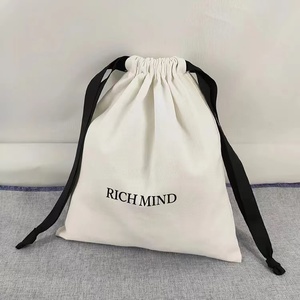
Heavily shaped by the Royal Academy of Fine Arts and the world diamond trade, Antwerp consumers look for bold silhouettes, asymmetric card slot geometries, architectural lines, and flawless edge-paint finishes. Products manufactured for Antwerp designers frequently use unlined raw-edge vegetable-tanned hides, metallic hardware accents, and presentation-grade unbleached cotton dust packaging.
In eco-forward cities like Ghent, Leuven, Namur, and Liège, purchasing behavior prioritizes circularity and material transparency. Retail programs here demand GOTS-certified organic cotton dust bags, full traceability back to European tanneries, vegetable tannins free of hexavalent chromium (Cr VI), and water-based, solvent-free adhesives throughout internal card dividers.
The small leather goods sector is undergoing unprecedented changes driven by banking technologies and stringent environmental legislation enacted by the European Parliament and the Belgian Federal Public Service (FPS) Economy.
Belgium has achieved one of the highest digital payment penetration rates in the European Union. Supported by nationwide legislation mandating electronic payment alternatives at all physical points of sale, cash usage has plunged dramatically. Consequently, traditional, bulky multi-compartment coin purses have been displaced by ultra-compact cardholders and technical sleeve wallets.
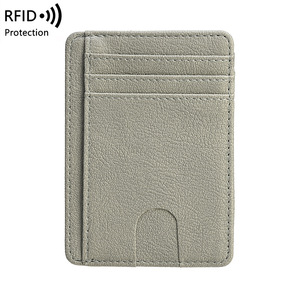
This widespread reliance on contactless debit cards (specifically the domestic Bancontact scheme alongside international EMV chips) has created heightened consumer anxiety regarding electronic pickpocketing and accidental wireless payment skimming. In response, modern private-label wallets produced for the Belgian market must integrate embedded Faraday-cage shielding.
Under the EU's Ecodesign for Sustainable Products Regulation (ESPR) and the impending Digital Product Passport (DPP), Belgian retailers must provide verifiable audit trails for raw materials. The era of ambiguously labeled "Genuine Leather" is over. Discerning Belgian consumers and procurement auditors actively reject unverified Asian imports with high chromium emissions or volatile chemical footprints.
Modern Belgian commuters—navigating multi-modal transit systems across SNCB railway networks, Brussels STIB metros, and cycling highways—prioritize ergonomic efficiency. Wallets must seamlessly transition from front pocket to minimalist cycle pack without printing visible outlines through slim-tailored garments. Innovations such as thumb-slide exterior quick-draw slots, pull-tab multi-card ejectors, and hidden AirTag/tracker cavities are now foundational design requirements in our private-label ODM development briefs.
As a direct production powerhouse operating our proprietary manufacturing facilities, we eliminate intermediary brokers, import agents, and commission houses. This enables complete engineering autonomy, unmatched cost-efficiency, and airtight production control for Belgian brands and distributors.
From CAD tech-packs to Physical master patterns in 48 hours. Precision steel die cutting ensures flawless tolerance consistency down to ±0.2mm on all leather and reinforcement panels.
Multi-station computer-guided skiving, edge-splitting, and automatic temperature-regulated edge polishing. Hand-applied edge coating guarantees non-cracking durability across cold European winters.
All textiles, leathers, and metal trims conform to REACH Annex XVII (zero azo dyes, total cadmium <100 mg/kg, zero extractable nickel release), certified through OEKO-TEX Standard 100 and GOTS audits.
Optimized overland and inter-modal shipping directly into Brussels, Antwerp Port, or Liège Logistics Hub within 3 to 5 business days post-production, eliminating sea-freight bottleneck risks.
Our standardized 6-phase engineering workflow is calibrated to deliver predictability, transparency, and repeatable quality across small pilot batches and high-volume wholesale contracts:
Direct technical answers addressing the legal, fiscal, logistics, and quality assurance questions most frequently raised by Belgian procurement managers, retail directors, and luxury brand creators.
Initiate direct dialogue with our technical leathergoods team. Share your vector sketches, physical benchmarks, or procurement tech packs. We deliver structural feasibility assessments, factory unit pricing, and prototype scheduling within 24 hours.