
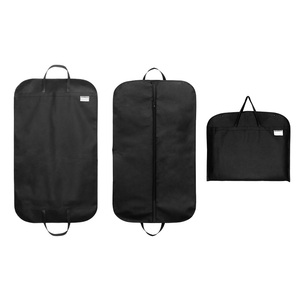
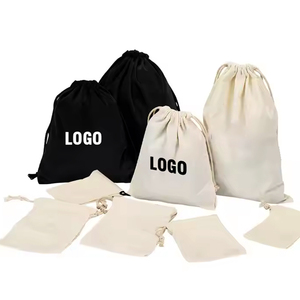
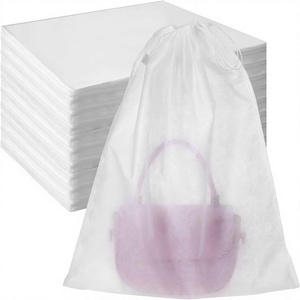
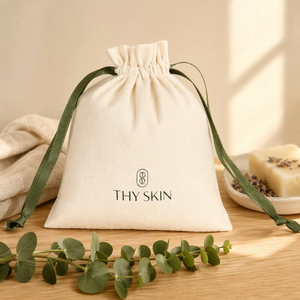
Constructed in our fully integrated Istanbul manufacturing facility and shipped directly across North African maritime trade lines. Below are 8 standardized dust bag architectures tailored for high-end retail, footwear, leather goods, and formal garments.
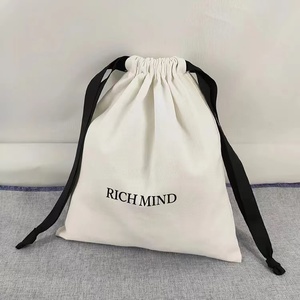
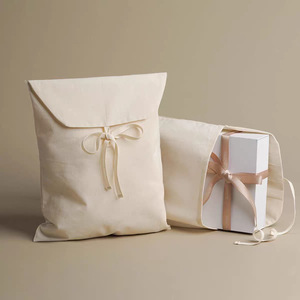
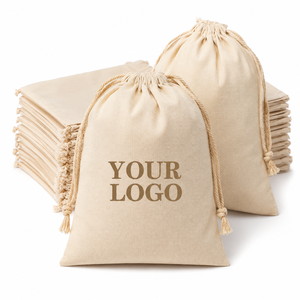
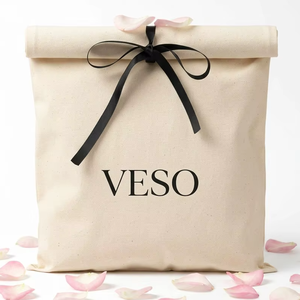
Morocco represents a uniquely sophisticated market for industrial textile packaging. Positioned at the intersection of European luxury supply chains and an ancient, world-renowned heritage of leather tanning and textile craftsmanship, commercial procurement managers in Casablanca, Marrakech, Fes, and Tangier face distinctive packaging challenges that off-the-shelf plastic covers or generic packaging cannot address.
Operating as a direct OEM and private-label manufacturer based in Istanbul, Turkey, VYGR Bags engineers custom dust bags specifically suited to the microclimatic conditions and regulatory mandates of the Kingdom of Morocco. Morocco's coastal trade centers (Casablanca, Tangier) experience elevated humidity levels, while inland leather manufacturing hubs (Fes, Marrakech) encounter dry heat and airborne fine mineral particulate matter. Conventional polyethylene packaging traps ambient moisture, causing leather bloom, fungal rot, and premature oxidation of metallic hardware on leather goods, traditional babouches, and high-fashion garments.
By leveraging certified organic cotton muslin, heavy cotton twill, breathable spunbond non-woven polymers, and canvas fabrics, our production lines construct protective dust covers that allow natural fibers and treated hides to off-gas without degrading. Furthermore, with the Pan-Euro-Mediterranean preferential trade agreement linking Turkey and Morocco, commercial buyers eliminate the heavy 25–40% customs tariffs commonly levied on Far Eastern packaging imports.
From heritage leather workshops in the Medina to high-throughput free-zone industrial corridors, explore how our custom dust bag manufacturing serves specialized domestic sectors.
Fes and Marrakech tannery workshops producing hand-tooled leather satchels, poufs, and luxury babouches rely on unbleached 140–200 GSM cotton muslin dust bags. The neutral textile prevents the extraction of essential oils from vegetable-tanned hides and shields grain surfaces from scuffing during warehouse stacking.
In Casablanca's Triangle d'Or and Rabat's luxury boutiques, high-value embroidered Moroccan Caftans and modern bridal gowns incorporate genuine metallic sfifa and fine silk zowak. We engineer extra-long, breathable non-woven and cotton garment covers that inhibit fabric tarnishing and dust settling.
Producers in the Souss-Massa region exporting premium organic argan serums and apothecary cosmetics utilize miniature cotton twill envelope pouches with cotton drawstring cords. These pouches elevate the unboxing ritual while maintaining stringent eco-compliance standards required by European and GCC export destinations.
Tier-1 contract apparel and leather accessory manufacturers operating inside Tanger Free Zone require high-volume, uniform, palletized bulk deliveries of custom dust bags. Our automated cutting lines supply consistent dimensional tolerances compatible with automated packaging conveyor units.
Strategic factors driving procurement managers to transition from basic plastic packaging to certified, high-grade reusable textile covers.
Morocco's landmark Law 77-15 strictly outlaws the manufacture, import, and distribution of plastic bags across commercial commerce. Corporate brands and retailers face heavy financial audits if their packaging fails to comply. Our 100% cotton canvas and OEKO-TEX certified biodegradable packaging present zero regulatory risk, establishing effortless compliance for Moroccan import clearance.
Modern retail expansions in Casablanca, Marrakech, and Tangier City Center have shifted consumer expectations. Today's North African shopper associates brand value with the secondary packaging experience. A bespoke cotton envelope dust bag with embossed metallic logos or woven labels elevates perceived brand equity, driving customer retention and organic social unboxing engagement.
Global shipping volatility and container disruptions have rendered Far Eastern sourcing fragile. Istanbul's strategic positioning enables roll-on/roll-off (Ro-Ro) and short-sea container shipping to Tanger Med and Casablanca Port within 4 to 6 days transit, slashing inventory holding expenses and protecting production timelines against transit shocks.
Compare fabric specifications, structural characteristics, and optimal usage parameters for OEM production batches.
| Material Class | Weight (GSM) | Weave / Structural Profile | Permeability & Shielding | Optimal Application | Compliance Standards |
|---|---|---|---|---|---|
| Organic Muslin | 120–160 GSM | Plain loose weave; zero sizing agents | High vapor diffusion; non-abrasive | Handbags, small leather accessories, jewelry | GOTS / OEKO-TEX 100 |
| Heavy Cotton Twill | 220–320 GSM | 2/1 or 3/1 diagonal weave; high tensile strength | Structured dust barrier; premium tactile feel | Haute couture envelopes, boots, heritage footwear | OEKO-TEX Standard 100 |
| Cotton Canvas | 280–450 GSM | Dense double-warp plain weave | Maximum tear resistance; rigid drape | Heavy luggage covers, travel duffels, hardware bags | OEKO-TEX / Recycled GRS |
| Spunbond Polypropylene | 60–120 GSM | Thermally bonded filament matrix | Hydrophobic barrier; particulate filtering | Promotional dust bags, commercial suit covers | Zero-Mika Exemption Cert. |
| Recycled RPET Fabric | 140–250 GSM | Engineered post-consumer polyester fibers | High abrasion resistance; color saturation | Modern eco-fashion, technical lifestyle accessories | GRS Certified |
Eliminating intermediaries to deliver true tier-1 factory pricing, custom engineering, and seamless export documentation.
We are not a sourcing agency or middleman broker. Pattern grading, mechanical cutting, screen printing, embroidery, precision stitching, inspection, and export packing take place directly inside our Istanbul factory. Buyers maintain direct communication with technical production coordinators, ensuring zero spec misinterpretation.
Before bulk manufacturing begins, our sample department develops physical pre-production counter-samples matching your precise CAD patterns, fabric weights, Pantone shades, and closure trims. Pre-production samples are expedited to Morocco via DHL/FedEx for tangible validation and client sign-off.
As a Turkish manufacturer, we issue verified EUR.1 movement certificates and certificates of origin. Moroccan importers leverage bilateral trade agreements to access duty-free preferential customs clearance at Port Tanger Med and Port of Casablanca, dramatically reducing landed unit costs compared to Asian alternatives.
From initial technical brief to container unloading at your distribution warehouse in Morocco.
Submit dimensions (L x W cm), target fabric weave (muslin, canvas, twill, non-woven), closure preference (single/double drawstring, envelope fold, zipper), and vector artwork (AI or PDF format with Pantone codes).
Our development room generates precision CAD patterns, executes fabric dyeing or selects unbleached virgin stock, and prints sample proofs. Physical samples are dispatched within 72–120 hours for inspection.
Upon written counter-sample approval, high-speed automated precision cutters and multi-head embroidery/screen print benches initiate bulk throughput. Inline QC protocols test seam tensile strength and print rub-fastness.
Finished orders are packed in master export cartons with desiccant packs and poly-liners, accompanied by commercial invoice, packing list, EUR.1 certificate, and bill of lading (B/L) for swift customs release at Moroccan ports.
Answers to critical questions regarding logistics, tariffs, testing certifications, and custom branding for Moroccan corporate buyers.
Partner directly with an established Turkish manufacturing facility. Request physical material sample swatches, obtain detailed FOB/CIF pricing, and receive digital mockups within 24 business hours.