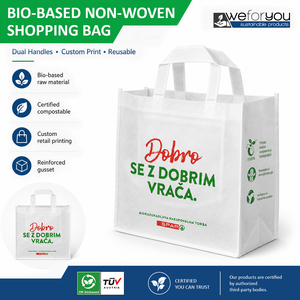

Delivering high-density composite textiles, reinforced seam geometries, and certified electronic shield compartments designed for multinational enterprises and Osaka commercial distributors.
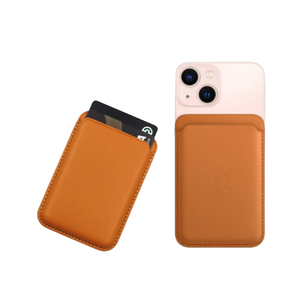
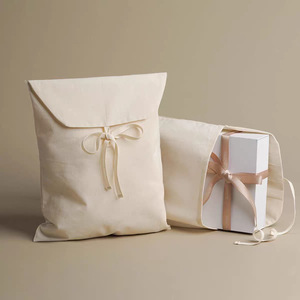
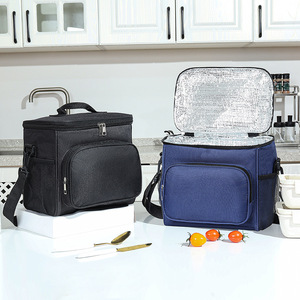
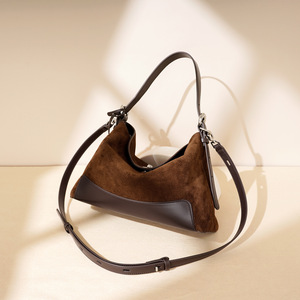
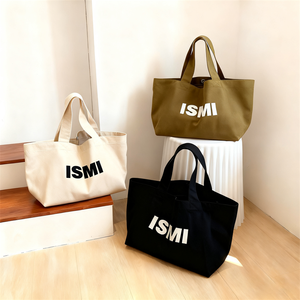
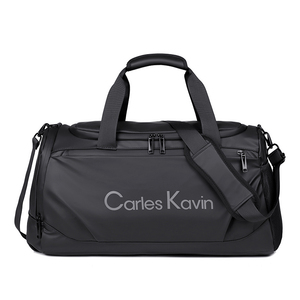
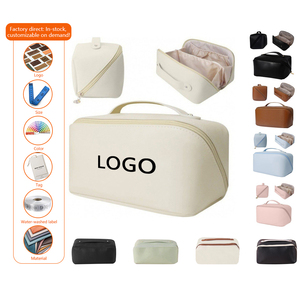
A comprehensive engineering review of high-performance mobility hardware for Kansai corporate frameworks, manufacturing centers, and regional technology hubs.
The Greater Osaka commercial zone—spanning the central financial districts of Umeda and Nakanoshima to the manufacturing epicenters across Sakai and Higashiosaka—operates on distinct logistical parameters. Unlike generic consumer retail, business-to-business carry solutions within this market demand uncompromising technical validation. Enterprise clients procurement strategies consistently focus on CE conformity, ensuring integrated smart peripherals, USB-C Power Delivery pass-through circuits, and anti-theft RFID shielding comply with international low-voltage and electromagnetic compatibility regulations (2014/30/EU and 2014/35/EU directives).
In high-density multimodal commuter systems, such as the Osaka Metro Midosuji Line and inter-prefecture JR West rapid transits, custom laptop backpacks encounter dynamic physical stress. Bags must deliver exceptional ergonomic weight distribution, rigid shock absorption for high-value portable workstations (15.6" to 17.3" devices), and moisture-barrier durability against the humid subtropical microclimates characteristic of Osaka Bay. Manufacturers supplying this market must deliver verified textile architectures rather than superficial cosmetic alterations.
Furthermore, as multinational electronics manufacturers and precision technology enterprises establish headquarters in the Kansai Innovation Basin, laptop carrying gear has evolved into an extension of corporate infrastructure. The demand for private-label equipment constructed with GRS-certified recycled yarn (RPET), fluorocarbon-free hydrophobic coatings, and reinforced YKK seam architecture has transitioned from an optional choice to a strict supply chain baseline.
Tailored mobility solutions engineered for specific commercial, technological, and corporate environments throughout Osaka Prefecture.
Designed for multinational consulting, banking, and corporate law enterprises. Custom packs emphasize minimalist exterior profiles, hidden interior cable routing for mobile workstations, and certified RFID blocking compartments protecting confidential corporate access tokens during high-volume subway transit.
Built for hardware technicians, roboticists, and industrial engineers traversing factory floors and testing facilities. Constructed from 1680D ballistic nylon with impact-absorbing EVA foam trays designed to protect sensitive diagnostic laptops and measurement instruments against industrial vibrations and accidental drops.
Engineered for maritime customs clearance teams, global freight forwarders, and logistics professionals operating along the Nanko port perimeter. Features TPU laminated shell membranes, fully taped seams, and corrosion-resistant coated hardware that resist coastal salt-air exposure and sudden maritime squalls.
Key technological, material, and regulatory developments reshaping commercial backpack sourcing across Japan.
With corporate Osaka adopting decentralized office hubs across Kansai, backpacks require removable organizers, clamshell luggage openings for short domestic Shinkansen business trips, and dedicated magnetic power-bank cradles with CE-certified internal charging trunks.
Japanese conglomerates are setting carbon-neutral procurement quotas ahead of international expos. Sourcing now mandates fully certified Global Recycled Standard (GRS) nylon and recycled polyester (RPET), backed by batch-specific chemical safety documentation verifying zero fluorocarbon emissions.
Integrated USB charging modules, smart location tracker pockets, and illuminated commuting bands require compliance beyond basic textile safety. Importers require thorough CE, EMC, and RoHS test reports to satisfy domestic consumer safety certifications without cross-border customs delays.
Operating a true vertically integrated manufacturing plant, eliminating agent markups, securing technical precision, and expediting global export lines.
We own the cutting, sewing, heat-sealing, and assembly infrastructure. Corporate buyers consult directly with production engineers, locking in tight stitch-per-inch tolerances and precise panel alignment.
Our raw material warehouse maintains extensive stocks of OEKO-TEX Standard 100, GOTS organic cotton, and GRS-certified technical polymers, ensuring stable material supply and batch consistency.
Pattern revisions and physical tech-pack counter samples are generated in our specialized sampling laboratory within 5 to 7 days, backed by comprehensive pre-production checklists to streamline approval cycles.
With an experienced in-house documentation division, custom declarations, Harmonized System code assignments, and bilateral customs forms are resolved prior to vessel departure, ensuring seamless port delivery.
Detailed technical, compliance, and logistical clarifications for B2B laptop backpack importing into the Japanese market.
CE marking confirms that any active or passive electrical components within the backpack—such as internal USB wiring harnesses, Qi wireless charging coils, or illuminated LED signal arrays—comply with the EU Low Voltage Directive (LVD) and Electromagnetic Compatibility (EMC) regulations, verifying low resistance and safe thermal stability during device charging.
Yes. We compile comprehensive import documentation packages including detailed commercial invoices, complete packing lists with net/gross weights, certificates of origin, material composition declarations, and full RoHS/REACH chemical compliance dossiers to satisfy Japanese customs requirements.
All backpacks undergo standardized laboratory durability testing: handle anchoring points must pass 5,000 drop cycles with an 8kg internal payload, load-bearing zippers undergo 3,000 continuous pull tests, and external textiles are tested on Martindale abrasion testers to exceed 20,000 cycles before bulk delivery.
Standard bulk manufacturing cycles run 15 to 25 business days after final sign-off on pre-production golden samples and printing proofs. For repeat OEM purchase orders utilizing pre-allocated fabrics, production turnarounds can be scheduled within even tighter windows.
Connect directly with our engineering division. Request comprehensive technical packs, material swatches, and complete B2B manufacturing specifications for the Osaka market.