
An analytical overview for Melbourne retailers, corporate gifting consortiums, lifestyle brands, and logistics importers sourcing bulk custom small leather goods (SLG) directly from dedicated manufacturing facilities.
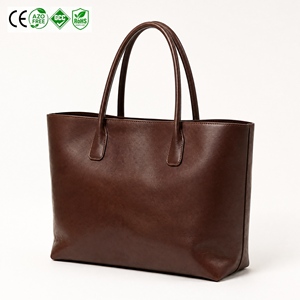
Reinforced grain PU, structural edge-paint, double top-stitching, compatible companion series for multi-piece retail drops.
Product Spec Sheet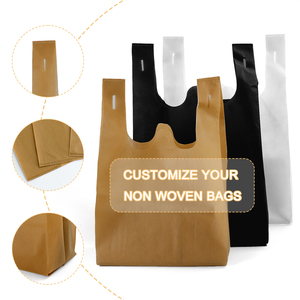
80-140 GSM non-woven polypropylene, sonic welding, reusable retail protective outer sacks for bulk wallet delivery.
Product Spec Sheet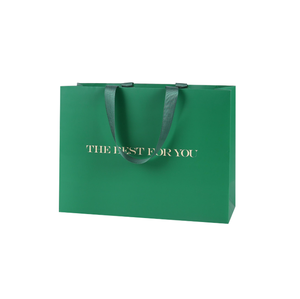
Rigid 250 GSM presentation board, foil-stamped relief, custom-fit luxury packaging systems for boxed leather suites.
Product Spec Sheet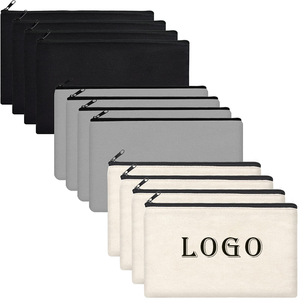
Heavy 12oz natural cotton canvas, YKK vintage brass zippers, ideal companion organizer for lifestyle leather lines.
Product Spec Sheet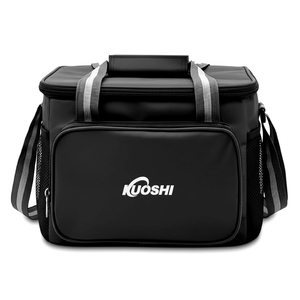
600D waterproof Oxford, heat-sealed PEVA linings, corporate incentive program integration with leather detailing.
Product Spec Sheet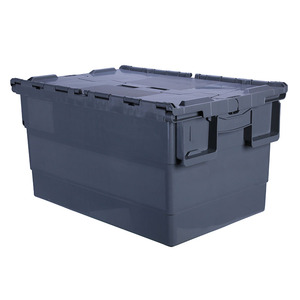
Industrial virgin PP construction, nestable, engineered for cross-dock warehouse distribution of finished leather merchandise.
Product Spec Sheet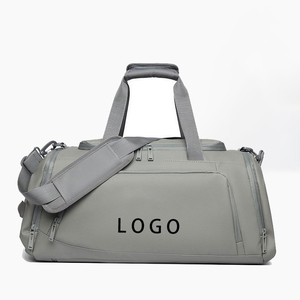
High-density Oxford composite with TPU wet compartments, modular travel architecture paired with bespoke passport wallets.
Product Spec Sheet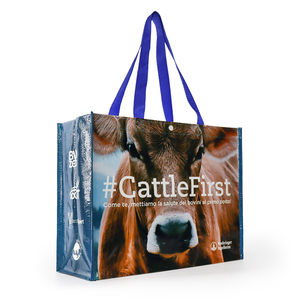
120-140 GSM reinforced PP woven composite, custom Pantone matching, low carbon-footprint retail handover packaging.
Product Spec SheetDays Standard Bulk Production
Pre-Shipment Inline QA Inspection
Precision Skiving & Edge Tolerance
Direct Factory Technical Turnaround
Designing and deploying leather accessories calibrated specifically to Victorian lifestyle ergonomics, regional retail expectations, and corporate procurement channels.
Melbourne’s financial and legal corridors spanning Collins Street and Docklands demand high-utility, understated luxury. Our minimalist vegetable-tanned bifold wallets and RFID-shielded card cases serve executive end-of-year gifting programs, financial institution client welcoming packs, and top-tier legal conference delegations, featuring blind debossing and edge-finished craftsmanship.
Independent boutique fashion labels in inner-city suburbs such as Fitzroy, Brunswick, and South Yarra prioritize tactile individuality and sustainable integrity. We engineer vintage pull-up leathers, vegetable-dyed nappa, and modular slimline coin wallets tailored for independent brands that command high retail price points and celebrate material transparency.
High-margin hospitality estates and boutique tasting cellars throughout the Yarra Valley, Mornington Peninsula, and Daylesford leverage custom-branded passport covers, zip-around travel wallets, and embossed billfolds for cellar door retail merchandise and VIP loyalty members, demanding water-resistant finishes and robust grain retention.
The Australian accessory market—centered predominantly around retail buying headquarters in Melbourne—has undergone fundamental structural shifts over the past 36 months. As digital-first payments dominate urban consumer behavior, standard multi-pocket billfold formats have increasingly given way to ultra-compact card sleeves, magnetic money clips, and MagSafe-compatible modular wallets. For Melbourne procurement directors and private-label buyers, this requires collaborating with production facilities capable of extreme dimensional precision down to 0.05 mm tolerances.
Simultaneously, environmental accountability is no longer optional in the Australian wholesale sector. Modern Victorian consumers aggressively scrutinize raw material origins. Importers and fashion conglomerates now stipulate compliance with strict chemical restrictions, including non-toxic vegetable tanning and REACH/OEKO-TEX-certified dyes that eliminate harmful hexavalent chromium (Cr VI). To retain a competitive edge in Melbourne department stores and e-commerce platforms, private-label lines are turning to direct OEM facilities that offer auditable material chains of custody, certified recycled packaging, and hybrid constructions combining top-grain leathers with recycled ocean plastics.
Logistical resilience is the third primary vector shaping Melbourne procurement. Faced with oceanic freight variability across the Port of Melbourne (Swanson and Webb Docks), bulk buyers can no longer absorb 60-to-90-day manufacturing lags typical of tiered middleman brokers. Procurement directors are securing supply lines with streamlined direct factories that consolidate sampling, in-line edge-coating, hardware casting, automated cutting, and comprehensive export documentation within a centralized manufacturing footprint, guaranteeing rapid 15–25 day bulk turnaround times.
Eliminating intermediaries to ensure technical precision, certified compliance, and direct factory pricing for wholesale programs.
Direct access to the primary production floor. Cutting, precision skiving, saddle sewing, edge painting, and final QA occur in-house with zero broker markup.
Rapid prototyping from technical line drawings, CAD packs, or physical samples. Pre-production counter-samples signed off before production lines spin.
Custom alloy hardware, blind heat debossing, micro-foil application, woven silk jacquard linings, and high-frequency RFID protective barriers.
Comprehensive international shipping coordination, Australian Customs valuation documentation, tariff classification, and compliant barcoding.
Crucial parameters, regulatory insights, and logistical factors addressing common queries raised by Victorian procurement specialists.
Low-cost mass production often relies on thick cardboard fillers and cheap synthetic adhesives that break down under stress, causing card sleeves to stretch and edge paints to peel. In contrast, our direct factory production protocols are engineered for dimensional integrity, clean pocket lines, and extended product lifespan:
1. Edge Refinement: Instead of thick, brittle acrylic coatings, we use multi-pass heated edge-inking combined with mechanical polishing to create a flexible, permanently bonded seal that will not crack during daily use.
2. Structural Interlinings: We use lightweight, non-stretch microfiber fabrics and non-woven reinforcements rather than paperboard. This keeps pockets thin and structured, preventing card migration and seam distortion over time.
3. Tensile Stitching: All structural stress points are reinforced with high-tenacity bonded nylon thread, calibrated to 7–8 stitches per inch to balance tensile holding power without weakening the natural leather grain along fold lines.