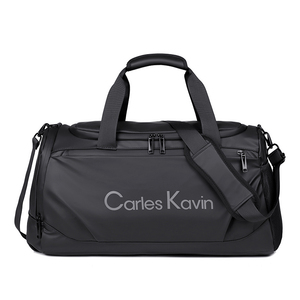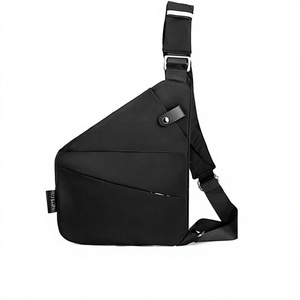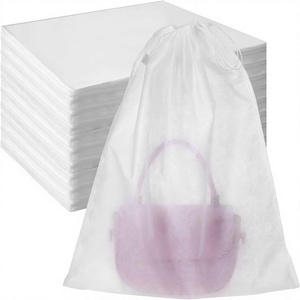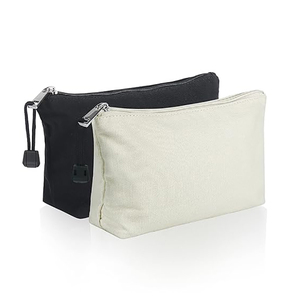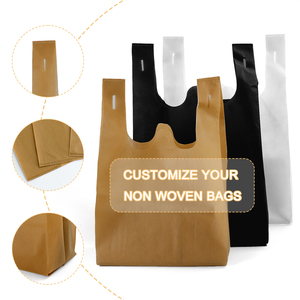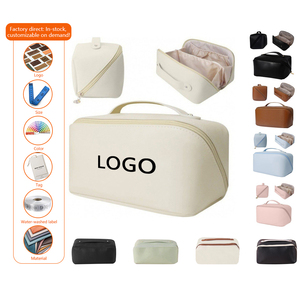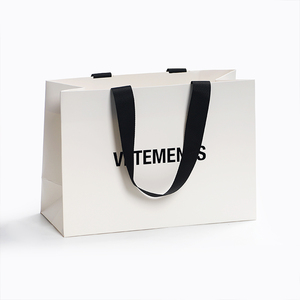
From mass-retail reusable non-woven grocery bags and heavy unbleached canvas carriers to specialised promotional organizers, explore our OEM export configurations compliant with international and Oceanic standards.
The Australian retail landscape has undergone structural regulatory disruptions across New South Wales (NSW), Victoria (VIC), Queensland (QLD), and Western Australia (WA). Single-use lightweight and medium-weight plastic carrier bags are strictly banned under state-specific environmental protection legislation. Sourcing bulk grocery bags requires a manufacturing partner with deep domain knowledge of APCO (Australian Packaging Covenant Organisation) 2025 National Packaging Targets, reusable durability metrics, and audited supply chains.
Serving major national retail chains, independent grocers (IGA networks), and wholesale food hubs across Sydney, Melbourne, and Brisbane. Bags are precision-engineered with cross-box handle stitching, reinforced piping, and wide gussets to withstand minimum load requirements of 15kg to 18kg without structural tearing during fast-paced automated scanning.
From Flemington Markets to Queen Victoria Market, organic produce purveyors demand unbleached, food-contact compliant, breathable cotton canvas and calico bags. These natural fibres regulate moisture balance for leafy vegetables and stone fruit, actively eliminating the anaerobic condensation common with synthetic plastic wraps.
Supporting e-grocery fulfillment fleets and dark stores with multi-layered insulated non-woven thermal tote bags. Utilizing EPE foam thermal barriers and reflective metallic film linings, these carriers sustain cold-chain perishability compliant with HACCP delivery guidelines in extreme Australian summer heat cycles.
Procurement executives at leading retail distribution centres cannot afford non-compliant shipments. Our direct production methodology directly aligns with domestic Oceanic industrial shifts.
Bags intended for the Australian marketplace must withstand rigorous repeated use. We manufacture non-woven and PP woven bags to withstand drop tests, seam tension analysis, and cycle durability exceeding AS 2282 specifications.
Under domestic corporate sustainability governance, brands are transitioning away from virgin plastics. We supply GRS-certified Recycled Polyethylene Terephthalate (RPET) fabrics derived from recycled ocean-bound and consumer plastic bottles.
Australia’s historical affinity for heavy calico bags continues to expand. We mill 140–300 GSM unbleached, GOTS-certified organic cotton tailored for organic grocery merchants, premium bakeries, and retail department stores nationwide.
With the Australian Competition and Consumer Commission (ACCC) targeting greenwashing, our export files provide auditable chain-of-custody documentation, OEKO-TEX Standard 100, and certified raw-material testing dossiers.
Compare our production baselines tailored for high-frequency bulk carrier operations across Oceanic shipping lanes.
| Material Category | Standard GSM Range | Tensile Load Tolerance | Optimal Printing Technology | Australian Compliance Profile |
|---|---|---|---|---|
| Spunbond Non-Woven PP | 80 – 140 GSM | 12 – 16 kg | High-speed Silk Screen / Ultrasonic Flexo | Multi-use exempt under VIC/NSW/QLD guidelines |
| Laminated PP Woven | 110 – 160 GSM | 18 – 25 kg | Gravure Full-Colour CMYK OPP Film | Heavy-duty long life; water-resistant POS asset |
| GOTS Certified Cotton Canvas | 180 – 400 GSM | 15 – 22 kg | Water-based Inks / Direct Screen / Embroidery | 100% Biodegradable; pristine ESG audit scoring |
| GRS Post-Consumer RPET | 90 – 150 GSM | 14 – 18 kg | Rotary Heat Sublimation / Digital Transfer | Meets APCO 2025 recycled content benchmarks |
| Heavy Kraft Paper Carrier | 120 – 250 GSM | 8 – 12 kg | Water-soluble Flexographic Sheet Printing | FSC-certified kerbside recyclable stream |
By eliminating third-party brokers and commercial trading houses, we provide an uninterrupted, accountable production ecosystem from pattern drafting to container ship loading.
Cutting, automated sewing, industrial printing, inspection, and carton baling take place inside our dedicated production plant. Australian procurement leads interface directly with our engineering personnel, eliminating middleman markup and ensuring tight batch-to-batch consistency.
We maintain massive raw-roll fabric stocks in non-woven PP, GOTS canvas, and RPET textiles. Once pre-production prototypes receive formal sign-off, our bulk operations complete 20ft and 40ft High Cube container orders within an agile 15 to 25 business-day manufacturing schedule.
Exporting to Australia requires careful clearance protocols through the Department of Agriculture, Fisheries and Forestry (DAFF) and Australian Border Force (ABF). We prepare verified packing declarations, fumigation certificates (if natural jute/cotton is selected), clean bills of lading, and free trade documentation in-house.
Clear, definitive technical answers addressing customs clearing, material compliance, minimum order runs, and export logistics to major Australian ports.
Yes. Australian state jurisdictions prohibit lightweight single-use carrier bags and enforce durability benchmarks for reusable alternatives. Our reusable non-woven grocery bags and woven bags are specifically manufactured at GSM ratings (100–140 GSM) engineered to pass the certified 125-use cycle test, satisfying environmental protection authority parameters across all Australian states and territories.
We routinely ship under FOB, CIF, and DDP agreements directly servicing Australia's commercial ports, including Port Botany (Sydney), Port of Melbourne, Port of Brisbane, and Fremantle (Perth). We facilitate Full Container Load (FCL 20GP/40HQ) freight and Less than Container Load (LCL) consolidated dispatches with reputable international carriers.
Strict sample sign-off is a core protocol of our OEM manufacturing process. Prior to initiating commercial mass cutting, we create a fully branded, custom-dimensioned physical prototype incorporating your chosen pantone shades, handle stitch engineering, and exact substrate weights. We air-express this prototype directly to your Australian office for physical review and load validation.
Depending on your product formulation, we provide traceable documentation comprising OEKO-TEX Standard 100 (verifying absence of hazardous azo dyes, phthalates, and heavy metals), GOTS (Global Organic Textile Standard) for organic cotton, and GRS (Global Recycled Standard) transaction certificates validating genuine post-consumer RPET content.
For standard non-woven grocery shopping bags using core in-stock fabric colors, our baseline factory MOQ begins at 3,000 units. For fully customized dyed fabric pantones, complex laminations, or bespoke RPET extrusions, commercial production runs generally start at 5,000 to 10,000 units to ensure optimal cost-per-unit economy of scale for container shipments.
We implement GS1-standard EAN-13 barcodes on product swing tags or stitched care labels. For retail distribution centres (Woolworths, Coles, Metcash), export master cartons are clearly labelled with GS1-128 shipping container codes, optimized pallet packing weights under 15kg for manual handling safety, and moisture-sealed inner polyethylene liners.