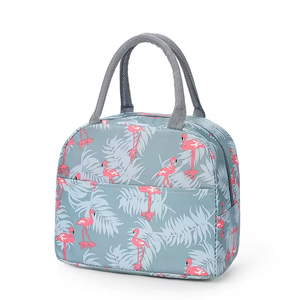

A comprehensive technical brief on raw material verification, mechanical post-industrial recycling, lifecycle carbon footprints, and high-efficiency contract manufacturing for world-class brands.
Engineered for corporate merchandising, multinational retail distribution, and heavy-duty functional logistics.

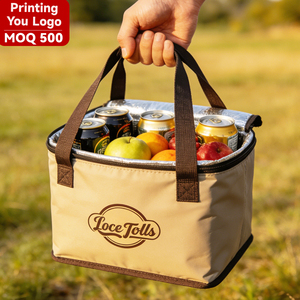

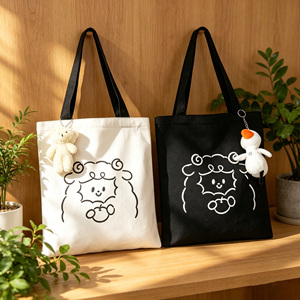
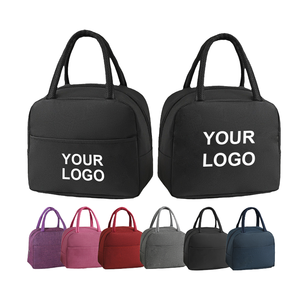
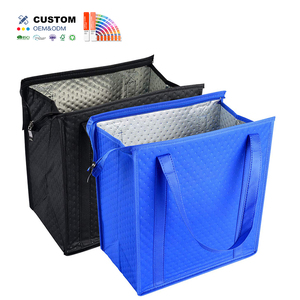
In global industrial procurement, transitioning from virgin cotton to recycled cotton (rCotton) requires a profound understanding of mechanical shredding dynamics, staple fiber length preservation, and tensile strength attenuation. Post-industrial waste (cutting scraps from spinning mills and apparel factories) is sorted mechanically by color, shredded through garnetting machines, and carded back into spinnable fleece.
Because garnetting shortens the natural cotton staple length down to 10–15 mm, 100% pure mechanically recycled cotton yarn exhibits limited tensile and tear resistance. To solve this structural limitation without compromising ecological integrity, top-tier Chinese exporters blend 60% to 70% recycled cotton with 30% to 40% certified organic long-staple cotton or GRS-certified post-consumer RPET filaments. This hybrid yarn matrix delivers a robust burst index (>350 kPa) and prevents the pilling common to sub-standard promotional totes.
| Performance Characteristic | Standard Virgin Cotton (10 oz) | Economy Recycled Blend (60/40) | Engineered Industrial rCotton (GOTS/GRS) |
|---|---|---|---|
| Mean Staple Length | 28 - 32 mm | 14 - 18 mm | 22 - 25 mm (Blended Core) |
| Warp Tensile Strength (ISO 13934-1) | ~620 N | ~410 N | ~590 N (Reinforced Spun) |
| Embodied Water Impact (L/kg) | ~10,000 Liters | ~2,100 Liters | ~1,800 Liters |
| Color Fastness to Rubbing (Dry/Wet) | Grade 4 / 3-4 | Grade 3 / 2-3 | Grade 4-5 / 4 |
| Carbon Equivalent (kg CO2e/bag) | 1.45 kg | 0.62 kg | 0.48 kg (Closed-loop mill) |
Anticipating structural shifts in compliance, material technology, and digital trade corridors through 2030.
Driven by the European Union's Ecodesign for Sustainable Products Regulation (ESPR), brand owners are enforcing QR-embedded woven labels that map yarn origin, recycling percentage, factory water consumption, and post-consumer end-of-life disposal protocols.
Eliminating secondary chemical dyeing by deploying advanced optoelectronic sorting machinery at the fiber recycling stage. Cotton off-cuts are classified precisely by tonal value (Pantone ranges), resulting in rich melange yarns with near-zero chemical effluent.
Replacing toxic fluorinated chemistry (PFAS/PFC) with plant-derived, fluorine-free DWR finishes and bio-polyurethane coatings. This enables canvas tote bags to deliver water-repellent durability without compromising biodegradable or circular attributes.
Combining vertically integrated Chinese and international supply lines with rigorous European quality assurance standards.
Complete elimination of intermediary trading house markups. Cutting, automated sewing lines, screen printing, sampling, and export packing operate under verified direct supervision, providing razor-sharp FOB/CIF pricing and end-to-end quality control.
In-house pattern engineering units turn tech packs, conceptual sketches, or physical reference samples into production-ready counter samples within 3 to 5 business days, guaranteeing zero delays prior to bulk lot release.
Industrial printing capabilities covering heavy-pigment rotary screen printing, high-resolution digital direct-to-garment (DTG), edge-to-edge dye sublimation, thermal heat transfers, precision embroidery, and embossed PU/leather badges.
Scalable production architecture accommodating boutique private-label capsule drops alongside multinational retail runs exceeding 200,000 units, maintaining unbroken 15–25 day bulk delivery discipline.
Strict conformance with OEKO-TEX® Standard 100 Class I, Global Recycled Standard (GRS 4.0), and GOTS. Every container shipment is accompanied by comprehensive chain-of-custody documentation and third-party laboratory test reports.
In-house documentation teams handle EUR.1 certificates, Form A, commercial invoices, bill of lading releases, and custom HS-code optimization, guaranteeing frictionless customs clearance across Europe, North America, and Australia.
Critical procurement details regarding minimum order volumes, material certification, lead times, and global shipping protocols.
Connect directly with our engineering and export desk to request physical fabric swatches, technical spec sheets, and firm volume quotations within 24 hours.
Get a Quote