Factory-direct OEM/ODM production lines spanning rugged travel packs, tech organizers, insulated units, and commercial retail packaging.

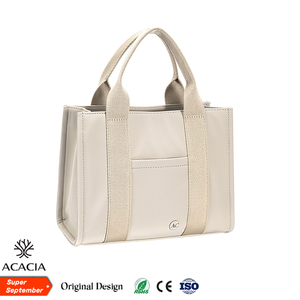

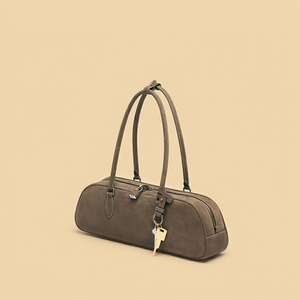
In the contemporary B2B supply ecosystem, procurement officers and luggage brand managers face mounting challenges in differentiating commodity backpacks from structurally verified anti-theft equipment. A genuine anti-theft system engineered by a specialized Chinese factory is not merely a conventional daypack equipped with an external lock. Instead, it represents a multifaceted defensive assembly constructed through specialized laminated substrates, hidden puncture-resistant zipper closures, cut-proof composite interlinings, and electronic signal-attenuating barriers.
As tier-one OEM/ODM manufacturers based in China's industrial textile manufacturing corridors, our engineering lines integrate multi-tier defensive mechanisms directly into the production assembly. Understanding these structural layers allows enterprise procurement managers to establish rigorous Quality Assurance (QA) metrics prior to placing bulk contracts.
Standard 600D/900D polyesters offer near-zero resistance to razor or box-cutter slash attempts. We engineer composite textiles incorporating Ultra-High-Molecular-Weight Polyethylene (UHMWPE), high-tenacity glass fibers, and aramid laminates that achieve EN388 Level 4 to Level 5 cut standards without introducing rigid bulkiness.
Traditional coil zippers can be breached in seconds using a ballpoint pen. Our anti-theft designs deploy dual-layer inverted SBS/YKK RC zippers and rear-facing closure geometry situated flush against the wearer's lumbar region, rendering public pickpocket access physically impossible during urban transit.
Modern digital theft operates contactless. Our dedicated compartments feature nickel-copper shielding fabric with attenuation exceeding 70dB across 10MHz to 3GHz frequencies, guaranteeing complete isolation for biometric passports, corporate access fobs, and NFC-enabled payment cards.
Factory Insight for Sourcing Teams: In-house tensile testing confirms that reinforcing critical stress points with bar-tack stitching using bonded nylon thread increases seam burst thresholds beyond 280 Newtons, eliminating tear failures under forced displacement or slashing attacks.
Analysis of shifting buyer behavior, regulatory pressures, and technical convergence in the global anti-theft bag manufacturing sector.
The global security bag and smart carry market is evolving beyond mechanical latches. International brand owners and wholesale importers must align their technical briefs with three transformative market drivers that dominate upcoming buying cycles:
Mechanical 3-dial TSA locks are transitioning into low-energy capacitive biometric fingerprint modules with IP65 ingress protection. Furthermore, concealed pockets tailored for Apple FindMy and ultra-wideband (UWB) tracker pucks are now non-negotiable OEM requirements across European and North American corporate travel lines.
Global retail conglomerates are demanding stringent sustainability metrics. Sourcing teams are replacing virgin polyurethanes with Global Recycled Standard (GRS) post-consumer RPET fabrics treated with non-toxic, fluorine-free water-repellent (C0 DWR) finishes that maintain cut integrity while meeting corporate ESG mandates.
The aggressive, tactical appearance is diminishing in favor of sleek, minimalist executive profiles. Commercial travelers require anti-theft attributes—such as steel-reinforced shoulder strap webbing and hidden magnetic side closures—to remain entirely imperceptible to the casual observer, seamlessly bridging boardrooms and subway lines.
| Evaluation Parameter | Standard Commercial Backpack | Industrial-Grade Anti-Theft Backpack (Our Standard) | Verification Test Protocol |
|---|---|---|---|
| Outer Shell Cut Resistance | 0.5–1.0 N (Easily breached) | > 15.0 N (EN388 Level 4/5 UHMWPE Composite) | ISO 13997 / ASTM F2992-15 |
| Zipper Puncture Security | Standard #5 Coil (Breached via pen pressure) | Dual-Track Reverse Explosive-Resistant Zipper (#8 / #10) | Puncture Resistance Spike Test |
| Strap Security Reinforcement | Single-layer Polypropylene Webbing | Dual Integrated Flexible Stainless Steel Cable Ribbons | Shear & Cut Tensile Testing |
| Identity Data Protection | Unshielded Interior Lining | Faraday Cage Nickel-Copper RFID Block (10MHz–3GHz) | IEEE-299 Electromagnetic Shielding |
| Locking Integration | No locking or external loose padlock | Recessed Zinc-Alloy Zinc Integrated TSA / Biometric Assembly | 5,000 Cycle Fatigue & Drop Impact |
Eliminating intermediate trading markups through vertically integrated Chinese manufacturing precision.
Operating as a direct Chinese manufacturing facility and verified exporter, we bridge the communication gap between overseas brand vision and machine-level implementation. Unlike trading intermediaries who outsource production across fragmented contract shops, our end-to-end Istanbul and Chinese facility controls cutting, structural lamination, computerized patterning, hardware plating, and clean packaging under one unified management system.
Turn technical tech packs, sketches, or reference samples into physical, functional pre-production prototypes within 5 to 7 working days. Our computerized laser cutting arrays ensure structural tolerances within ±1.5mm, eliminating sewing errors before assembly lines begin volume runs.
With automated multi-needle stitching systems and dedicated material stockpiles of certified ballistics-grade fabrics, our typical lead times average 15–25 days following sample sign-off. We facilitate fast-track production schedules to align with seasonal retail distribution windows.
We routinely clear audit protocols for global distribution. All raw textile components are verified compliant with REACH, RoHS, OEKO-TEX Standard 100, and California Proposition 65 requirements. Full test files, chemical declaration documentation, and GRS audit trails are issued in-house.
From initial engineering brief to customs-cleared sea, rail, or air containers, our five-stage manufacturing gate eliminates supply chain volatility:
Key technical, logistical, and compliance considerations addressed for professional procurement directors.
Our standard production MOQ typically begins at 500 to 1,000 units per colorway for fully customized OEM projects utilizing proprietary dyed fabrics or custom-molded EVA/TSA components. However, for pilot test launches, commercial programs utilizing stock performance textiles (such as certified 900D RPET or Cordura equivalents) can be initiated at 200–300 units to validate retail market acceptance.
We test composite textile lots against EN 388 (blade cut resistance) and ISO 13997 standards using internal circular blade cycle cut testers. We also provide third-party verification reports from SGS, Intertek, or TÜV Rheinland upon buyer request, guaranteeing that composite weaves containing UHMWPE or high-tensile fiberglass prevent shear penetration under typical slashing forces (up to 15-20 Newtons).
Yes. Traditional through-stitch embroidery can pierce waterproof coatings and puncture-resistant layers. We recommend laser-engraved zinc-alloy metal emblems, high-frequency matte debossed TPU badges, or sonic-welded heat transfers with waterproof seam-taping behind the application area, ensuring pristine brand presentation while maintaining water and cut-proof ratings.
Physical pre-production samples are completed within 5–7 business days. If custom plastic/metal tooling (such as proprietary zipper pulls or buckle designs) is required, mold fabrication adds 15–18 days. Bulk container production typically takes 15–25 days from sample confirmation, with export documentation processed synchronously to prevent shipping delays.
We work to AQL Level II (Major 2.5, Minor 4.0) standards, and buyers are welcome to station third-party inspection firms (e.g., QIMA, Bureau Veritas) at our facility prior to packing. In the event of confirmed factory manufacturing defects exceeding negotiated thresholds, our direct contracts specify replacement units or immediate credit adjustments against following manifests.