
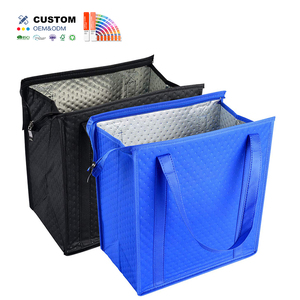
Precision-manufactured commercial food storage totes engineered with custom density EPE foam, food-grade seamless PEVA liners, and water-repellent 600D/900D Oxford shells ready for private label volume procurement.
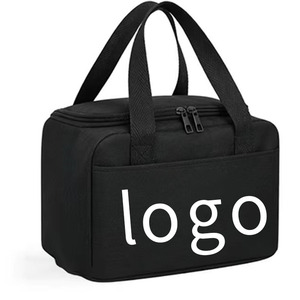
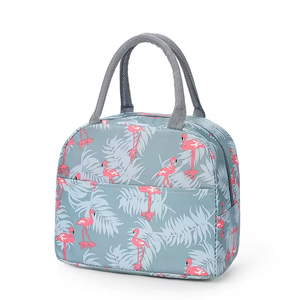
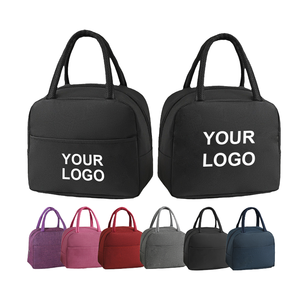
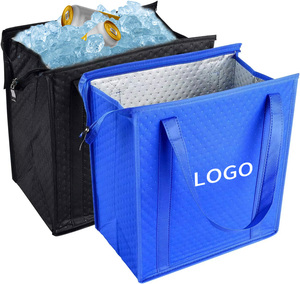
A technical breakdown of conductive, convective, and radiative thermal retardation within commercial lunch totes for international sourcing managers demanding strict temperature stability.
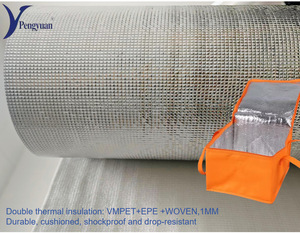
Radiant heat transfer accounts for over 65% of interior temperature loss in conventional bags. Top-tier China factories utilize vacuum-metallized aluminum film (VMPET) or pure aluminum foil layers laminated to a woven scrim. This creates an optical and infrared mirror reflecting long-wave thermal radiation back into the compartment, preventing rapid food spoilage during transit.
Emissivity Rating: ε ≤ 0.04Conduction is minimized through density-controlled expanded polyethylene (EPE) foam ranging from 4mm to 10mm thickness, or newly integrated silica aerogel composite sheets. The micro-cellular matrix encapsulates non-circulating dry air pockets, drastically reducing thermal conductivity (λ = 0.030 - 0.034 W/m·K) while preserving tactile elasticity and collapsible storage utility.
R-Value Range: 1.8 – 3.2Convective leaks typically emerge from needle perforations along stitched seams. Advanced manufacturing plants deploy high-frequency (HF) voltage and ultrasonic hot-press welding for inner PEVA or TPU liners. This generates a continuous hermetic seal that completely eliminates stitch holes, ensuring 100% water-tightness and preventing melted ice from permeating interior insulation batting.
Zero Perforation Hermetic SealA granular engineering reference designed for B2B procurement officers comparing tensile strength, thermal retention durations, and environmental compliance parameters.
| Functional Layer | Material Options | Typical Density / Gauge | Primary Engineering Advantage | Regulatory Standards |
|---|---|---|---|---|
| Outer Armor Shell | 600D/900D Oxford Polyester, GRS Recycled PET, Tyvek Dupont | 180 – 380 GSM | Abrasion resistance (>25,000 rubs), DWR water-shedding finish, high burst rating | REACH Annex XVII, Prop 65, PFAS-Free |
| Thermal Insulation Core | Closed-Cell EPE Foam, High-Density NBR, Aerogel-Infused Felt | 4mm – 10mm (Density 25–40 kg/m³) | Low bulk conduction, structural rebound under compression, cold stabilization | RoHS Directive, EN 12546-2 |
| Radiative Barrier | Vacuum Metallized PET, Pure Aluminum Foil Scrim, PE Composite | 12 μm – 35 μm | 97% IR reflection back to cargo, vapor barrier, vapor transmission prevention | FDA 21 CFR 177.1520 |
| Inner Food-Safe Liner | Seamless Extruded PEVA, Matte TPU, Food-Grade PVC Foil | 0.12mm – 0.25mm thickness | Odor-neutral, easy wipe-down, oil and acid resistance, HF heat-sealable | LFGB (German Food Law), FDA, BPA-Free |
| Closure & Hardware | Airtight Waterproof Zipper, SBS Reversed Coil, Zinc Alloy Pulls | #5 / #8 Gauge Coil | Vapor lock against convective thermal dissipation; salt-spray tested pulls | ASTM D2061 Zipper Strength |
Strategic analysis on the shifts redefining international purchase orders across Europe, North America, and Australasia over the coming procurement cycles.
Global buyers are transitioning from standard virgin polyesters to Global Recycled Standard (GRS 4.0) verified post-consumer recycled PET (RPET) bottles. By specifying RPET outer fabrics combined with non-crosslinked recyclable EPE liners, enterprise brands meet stringent corporate ESG mandates and minimize carbon tax liabilities across European ports without forfeiting tensile integrity.
Circular Economy PriorityWith expanding state-level bans in the US (such as California AB 1817) and EU REACH restrictions on polyfluoroalkyl substances, top Chinese tote exporters have completely overhauled fabric treatment lines. Modern water-repellent shells now utilize non-toxic C0 DWR coatings, plant-derived waxes, and aqueous polyurethane finishes that surpass 10,000mm hydrostatic head tests completely PFAS-free.
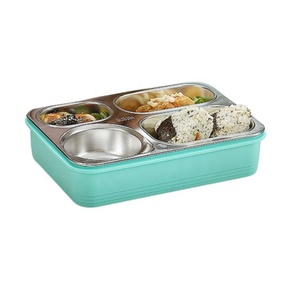
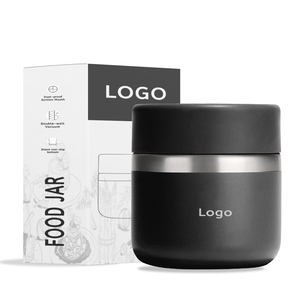
100% C0 Eco Water-RepellencyEnd-users increasingly reject single-use containers in favor of compartmentalized, holistic meal-prep kits. Modern procurement briefs now demand customized totes paired precisely with matching SUS304 injection-molded bento boxes, leakproof soup jars, and freeze-pack gel partitions that fit within tailored interior elastic retention bands, driving higher retail SKU value.
Turnkey Hardware & Bag BundlingOperating as a direct OEM and private-label manufacturer, our facilities eliminate middlemen costs and provide end-to-end supply chain transparency from pattern cutting to multi-market customs clearance.
Buyers coordinate directly with bilingual industrial designers and sewing line engineers. Cutting out domestic trading distributors yields a 12%–18% unit cost reduction, expedited sample iteration, and zero distortion of critical technical dimensions.
Equipped for silkscreen printing, precision laser engraving on metallic zipper pulls, high-definition CMYK heat transfers, silicone badge molding, debossed leather patches, and woven label applications with tight Pantone tolerance.
Every production run undergoes strict in-line inspection and final carton audits. From needle-detector scanning to pneumatic leak-testing of welded seams, our QA protocol guarantees faultless merchandise for Amazon FBA and retail store shelves.
Our dedicated sampling room houses over 400 textile stock options, digital plotter cutters, and high-frequency sample tooling. We transform digital CAD sketches or physical sample benchmarks into vetted pre-production prototypes in under 5 business days.
Our material supply chain is certified compliant with ISO 9001, BSCI, SMETA, OEKO-TEX Standard 100, LFGB, and FDA guidelines. We generate complete material safety data sheets (MSDS) and testing records for effortless EU/NA customs release.
Whether handling agile boutique runs of 1,000 units or high-volume seasonal retail campaigns exceeding 200,000 pieces, our semi-automated computerized stitching lines maintain uniform seam geometry and tight delivery adherence.
Critical operational questions regarding minimum order quantities, compliance documentation, temperature testing parameters, and international freight workflows answered by factory engineers.
We are a direct manufacturing enterprise with dedicated facilities covering fabric laminating, computerized die-cutting, high-frequency ultrasonic welding, precision sewing lines, and automated carton packing. Buyers partner directly with the technical line managers producing their goods, guaranteeing transparent cost structures and direct quality oversight.
Our standard production MOQ is typically 500 to 1,000 pieces per colorway for customized textile options using ready-stock fabrics. For fully bespoke Pantone-dyed shells or unique woven textiles, MOQs begin at 2,000 units. Mass manufacturing timelines typically span 15 to 25 days following pre-production sample sign-off and deposit confirmation.
Thermal testing follows the EN 12546-2 international benchmark. In our climate-controlled testing chamber maintained at +32°C ambient temperature, totes filled with calibrated thermal test packs (pre-cooled to +5°C) are monitored via automated digital thermocouple sensors. We certify cold retention thresholds (typically remaining below +10°C for 6 to 12 hours depending on EPE density) with recorded thermal curves.
Yes. Interior lining materials (including food-grade PEVA, TPU films, and stainless-steel lunch box inserts) undergo rigorous third-party lab testing via SGS, TÜV, or Intertek. We furnish complete migration testing documentation verifying total absence of lead, cadmium, phthalates, BPA, and fluorinated chemicals (PFAS/PFOS) to satisfy strict US FDA and EU LFGB compliance.
For heavy-duty Oxford fabrics, high-density silkscreen ink curing and heat-transfer silicone badges provide exceptional rub-fastness. For full-surface vivid graphic collections (such as novelty picnic designs), all-over digital dye-sublimation ensures color fastness without peeling. For corporate executive lines, debossed leather patches and custom matte-black alloy zipper pulls deliver a refined aesthetic.
Conventional stitched seams allow liquids to seep through needle punctures. We employ hot-air sealing and high-frequency (HF) die-welding for the liner seams, creating a molecular bond across PEVA and TPU surfaces. Before packaging, lots undergo randomized hydrostatic pressure retention audits and inverted liquid containment inspections under standard AQL guidelines.