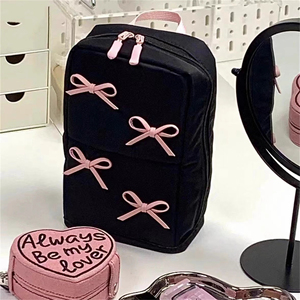

Engineered for high-end boutique brands, multinational department stores, and corporate gifting. Browse our proven contract-manufacturing product lines.
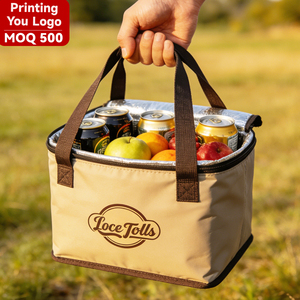
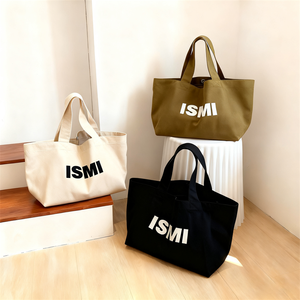
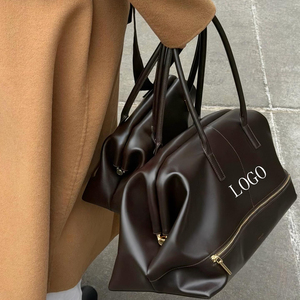
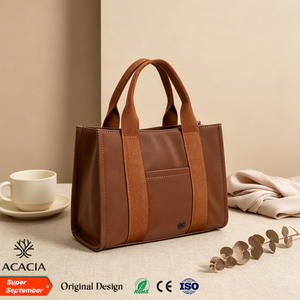
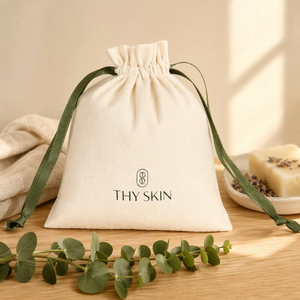
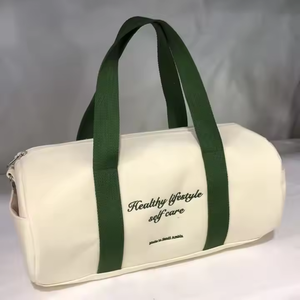
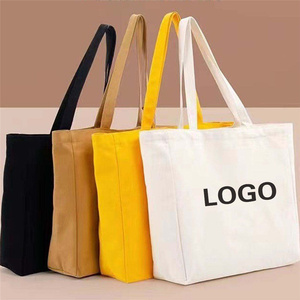
Eliminate intermediary trading margins. We provide direct factory engineering, prototyping, precision sewing lines, and full export clearance under one governance model.
By controlling the whole supply chain from pattern plotting, leather cutting, edge painting, and skiving to final packaging, we eliminate middleman markup, reduce variance, and accelerate turnaround cycles.
Every batch undergoes standardized hardware electroplating salt-spray corrosion tests (48–72h), seam pull-force resistance evaluations (>250N), color fastness to rubbing, and Martindale abrasion checks.
From CAD engineering schemes, 2D sketches, or physical reference samples, our master pattern technicians deliver finished pre-production prototypes within 5–7 working days for complete stakeholder validation.
We streamline documentation for Western markets: GSP Form A, EU CE compliance, REACH SVHC declarations, Proposition 65 test filings, and incoterms coordination (FOB, CIF, DDP by air/sea) handled in-house.
Certified supply pipelines compliant with GOTS organic cotton, GRS recycled nylon/RPET liners, solvent-free DMF-free waterborne polyurethanes, and Leather Working Group (LWG) gold/silver-rated tanneries.
When professional sourcing directors analyze China handbag manufacturers, technical selection criteria must balance hand-feel, structural rigidity, shear resistance, and compliance thresholds. Choosing between Full-Grain Top Layer Cowhide, Waterborne Microfiber Synthetic Leather, and Eco-Conscious Bio-Based Polyurethanes defines downstream customer retention and returns metrics.
| Material Category | Tensile Strength (N/cm) | Flex Resistance (Bally) | Eco/Chemical Standard | Primary Commercial Use |
|---|---|---|---|---|
| Full-Grain Nappa Leather | > 220 N | > 50,000 cycles | LWG Audited, Chrome-Free Option | Luxury Heritage Handbags, Executive Attaches |
| Microfiber Vegan Leather | > 260 N | > 100,000 cycles | REACH, OEKO-TEX Standard 100 | High-End Vegan Designer Bags, Underarm Clutches |
| Waterborne PU (DMF-Free) | > 180 N | > 40,000 cycles | Zero Volatile Organic Compounds (VOC) | Cosmetic Pouches, Contemporary Fashion Totes |
| Heavy Organic Canvas (16oz) | > 380 N | > 80,000 cycles | GOTS, GRS (Global Recycled) | Utility Travel Duffles, Commuter Shoppers |
Our sewing floors operate computerized heavy-duty unison-feed walking foot machines (Juki & Dürkopp Adler), maintaining an exact stitch pitch precision of 7 to 8 stitches per inch (SPI) with bonded nylon threads. Edge dressing involves a minimum of three hand-applied coats of Italian fenice edge oil, sanded flush between coats to prevent cracking down to -15°C.
Market dynamics, supply chain nearshoring debates, and the strategic positioning of Chinese precision manufacturing hubs in the global leather goods sector.
European and American regulatory systems are enacting Digital Product Passport (DPP) requirements. Importers must disclose exact tannery coordinates, chemical inventories, and lifecycle footprints. Chinese contract manufacturers with digitized ERP-tracked bill-of-materials will lead the market.
Tier-one consumer brands are phasing out petroleum-heavy PVC. The sourcing pivot focuses on plant-based alternatives: apple waste leather, cactus composites, mycelium mycelium sheets, and post-consumer recycled ocean plastics (RPET) for interior structural interlinings.
Inventory risk aversion is reshaping wholesale purchasing. Buyers no longer tolerate monolithic 5,000-piece single-color commitments. Factories utilizing automated digital die-cutting systems can now profitably support initial pilot production runs of 300 to 500 units per colorway.
Hardware quality is the primary failure vector in modern handbag lines. Contemporary buyers mandate multilayer PVD vacuum plating, electrophoretic lacquer sealing, and testing for nickel, cadmium, and lead limits to eliminate customer allergen reactions and tarnishing.
Direct technical answers addressing minimum order thresholds, production safety checks, tooling costs, and overseas shipping logistics.
For custom genuine leather handbags, baseline MOQs typically start at 100 to 300 pieces per style (allowing 2-3 colorways), as leather hides can be dyed and cut in smaller batches. For synthetic PU or microfiber styles, MOQs generally range between 300 and 500 pieces because custom PU material roll-coating and embossing cylinders require minimum raw material processing runs at the fabric mill.
Our standard prototype turnaround is 5 to 7 business days upon receipt of your detailed tech-pack, 3D CAD render, or reference physical sample. If custom alloy hardware molds (debossed logo pullers, custom snap closures) or specialized embossed leather plates are needed, mold tooling requires an additional 7 to 10 days. Pre-production samples are mailed express with material certification swatches for written sign-off.
We implement a strict moisture control protocol: all leather components undergo controlled room-drying to maintain moisture levels between 12% and 14%. Finished items are individually packed with food-grade silica gel desiccant packs and anti-mold micro-stickers (Micro-Pak). Packed master cartons are sealed with water-resistant inner poly liners and shipping containers are equipped with industrial container desiccant poles.
All raw leather, adhesives, edging inks, and textiles are strictly formulated to comply with EU REACH SVHC list regulations (under 0.1% w/w), California Proposition 65 (lead, cadmium, phthalate thresholds), and CPSIA compliance for youth products. We supply third-party test verification from SGS, Intertek, or TÜV Rheinland upon request before release.
We execute standard bilingual China-enforceable Non-Disclosure & Non-Use Agreements (NNN Agreements) prior to receiving design assets. Custom mold tooling, custom hardware matrices, and bespoke pattern cut files remain the exclusive legal property of the purchasing brand, cataloged in locked physical and digital archives.