
Explore eight core custom bag silhouettes engineered for strict European compliance, retail durability, and advanced custom printing options. Every item is sampled, manufactured, and finished in-house under audited quality assurance standards.
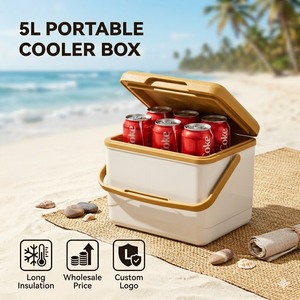

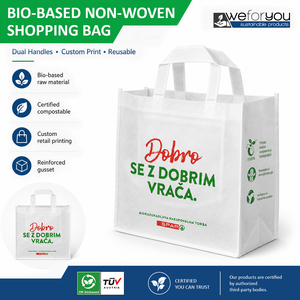
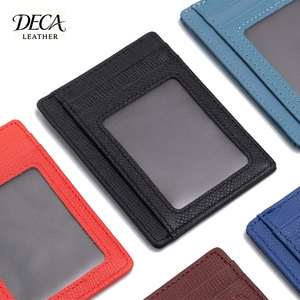
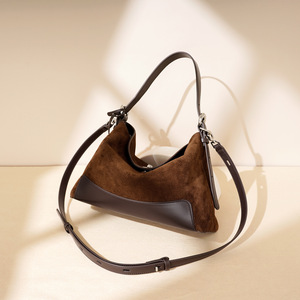
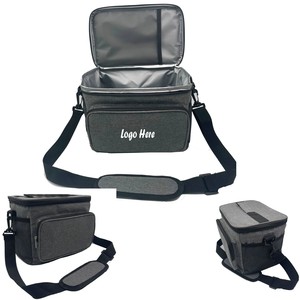
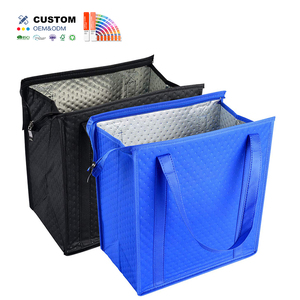
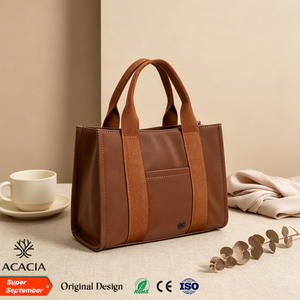
Eliminating broker layers, our integrated Istanbul manufacturing center links fiber sourcing, pattern digitizing, precision chemical printing, and export clearance under one roof.
Clients interface directly with master patternmakers and ink formulation technicians. Direct access ensures design fidelity, instant technical feedback, transparent bill-of-materials (BOM), and factory-floor wholesale margins.
Equipped with automatic flatbed screen carousels, roll-to-roll dye sublimation calenders, high-precision laser engravers, and high-speed multi-head Barudan embroidery lines configured for complex multi-color runs.
Strategically situated in Istanbul, Türkiye, our logistics route provides rapid trucking transit across Central and Western Europe (4–7 days road freight), avoiding protracted Suez canal shipping delays and minimizing inventory holding costs.
We prepare full EUR.1 movement certificates, ATR documents, CE declarations of conformity, commercial invoices, and bill of ladings in-house, securing duty-free or preferential tariff customs clearance for European and US imports.
All inks, binders, textile treatments, and synthetic leathers undergo lab batch screening against SVHC lists (Substances of Very High Concern), verifying zero cadmium, zero nickel release, and compliant phthalate limits.
Digitized Gerber CAD pattern cutters convert client sketches or 3D vector tech-packs into physical samples within 72 hours, allowing tactile verification of fabric weight, seam density, color matching, and stress durability before bulk roll-out.
In modern international merchandising, custom printed bags are no longer treated as passive packaging accessories; they are regulated finished consumer goods. The European Union's updated General Product Safety Regulation (EU 2023/988 - GPSR) and Framework Regulation (EC 1935/2004 for food contact articles like insulated cooler bags) impose strict traceability, manufacturing transparency, and non-toxic material mandates on suppliers and brand importers alike.
When selecting a CE certified custom bag printing factory, procurement specialists must differentiate between cosmetic compliance claims and genuine chemical engineering governance. A legally sound CE conformity dossier requires empirical testing documentation covering:
Key EU Regulatory Benchmarks: (1) EN 71-3 Migration of Heavy Metals (antimony, arsenic, barium, cadmium, lead, mercury); (2) REACH Annex XVII restrictions for azo colorants (max 30 mg/kg) and phthalates (DEHP, DBP, BBP, DIBP < 0.1% w/w); (3) Persistent Organic Pollutants (POPs) regulation banning PFOS/PFOA in waterproof water-repellent bag coatings.
Our direct manufacturing facility enforces systematic chemical verification at every manufacturing step. Substrate greige fabrics are pre-tested before print application; screen print pastes utilize exclusively GOTS-approved water-based dispersion pigments or phthalate-free plastisol alternatives. Thermal food containers and insulated picnic coolers undergo migration extraction tests using food stimulants (3% acetic acid, 10% ethanol, and rectified olive oil) to guarantee that thermal interior liners release zero harmful plasticizers during warm food contact.
Achieving crisp logo reproduction with high wash fastness requires matching the physical and chemical properties of the substrate with the optimal ink formulation. The matrix below illustrates our industrial printing parameters configured across textile, polymer, and composite substrates:
| Branding / Print Method | Optimal Fabric Substrate | Color Gamut & Resolution | Wash / Rub Fastness | Compliance Directive |
|---|---|---|---|---|
| Water-Based Rotary Silkscreen | 140–400 gsm Cotton, Canvas, PLA | Pantone Solid Coated (up to 8 colors) | ISO 105-C06 Class 4–5 | OEKO-TEX Class I, GOTS 6.0 |
| Disperse Dye Sublimation | 100% Recycled Polyester (RPET), Oxford | Full Continuous Tone (1200+ DPI) | ISO 105-X12 Class 5 (Non-Fading) | REACH Annex XVII, SVHC Compliant |
| Hybrid Industrial UV-LED Flatbed | Structured PU, Synthetic Leathers | CMYK + White + Varnish (1440 DPI) | Flex Resistance > 50,000 Cycles | RoHS 2011/65/EU Compliant Inks |
| Hydraulic Hot Foil Stamping & Deboss | Full Grain Leather, Split Suede, Microfiber | Metallic Gold/Silver, Matte, Blind Deboss | Permanent Structural Impression | Zero Chemical Discharge (Dry Process) |
| Ultrasonic Lamination & Flexo Print | 60–120 gsm PP Non-Woven, Compostable PLA | Spot & Fine Raster Screen (150 LPI) | Abrasion Proof (Dry Rub > 1000 Revs) | EN 13432 Biodegradable Ready |
Our raw material supply chains are anchored by verified certification ecosystems. Our clients receive certificate validation numbers that link directly to official laboratory registries, ensuring brand credibility during independent third-party audits.
Guarantees that finished textiles and printed trims are evaluated for over 300 regulated and non-regulated harmful chemicals.
Verifies organic status of fibers from field harvesting through socially and environmentally responsible in-house processing.
Audits certified recycled content percentages across post-consumer RPET fabric, non-woven composites, and sewing yarns.
Strategic analysis for enterprise procurement teams navigating shifting regulatory landscapes, circular packaging directives, and next-generation smart materials.
Driven by the EU Ecodesign for Sustainable Products Regulation (ESPR), commercial bags will soon require scannable NFC or QR-based DPP markers detailing origin fiber identity, chemical treatments, and recyclability pathways. Our lines integrate woven QR tags and high-durability sublimation serials directly into bag linings.
Global bans on 'forever chemicals' (PFAS/PTFE) are prompting procurement teams to swap conventional silicone finishes for bio-based fluorine-free (C0) plant waxes and dendrimer-based hydrophobics. We have retrofitted our coating machinery to apply certified water-repellent barriers without compromising breathability or tactile hand feel.
Petroleum-derived non-woven bags are rapidly being displaced by 100% industrially compostable polylactic acid (PLA) and polyhydroxyalkanoates (PHA). These non-wovens decompose within 90 days under controlled composting, leaving zero microplastic residues, supported by compost-compatible water inks.
To hedge against maritime freight volatility and meet strict Corporate Sustainability Due Diligence Directive (CSDDD) mandates, corporate buyers are relocating bulk textile packaging procurement from Far-East hubs to Mediterranean corridors (Türkiye), compressing lead times down to 15–25 production days.
Disassembly-ready construction is shaping commercial luggage. Eliminating composite metal rivets and bonded multi-plastics in favor of monomaterial recycled polyamide (rPA) or recycled leather scrap binders enables clean single-stream mechanical recycling at the end of lifecycle.
Industrial UV flatbed and high-speed digital direct-to-film (DTF) systems have lowered minimum order thresholds for complex artworks. Corporate buyers can execute seasonal regional marketing campaigns with variable data printing, unique barcodes, and customized packaging without incurring steep plate setup fees.
Clear, direct technical answers prepared by our production managers and quality assurance auditors to streamline your project brief and sample sign-off.
Connect directly with our engineering and manufacturing department in Istanbul. Send your tech pack, vector artwork, or design reference for an itemized bill of materials (BOM), production timeline, and prototype quotation within 24 hours.