
0%

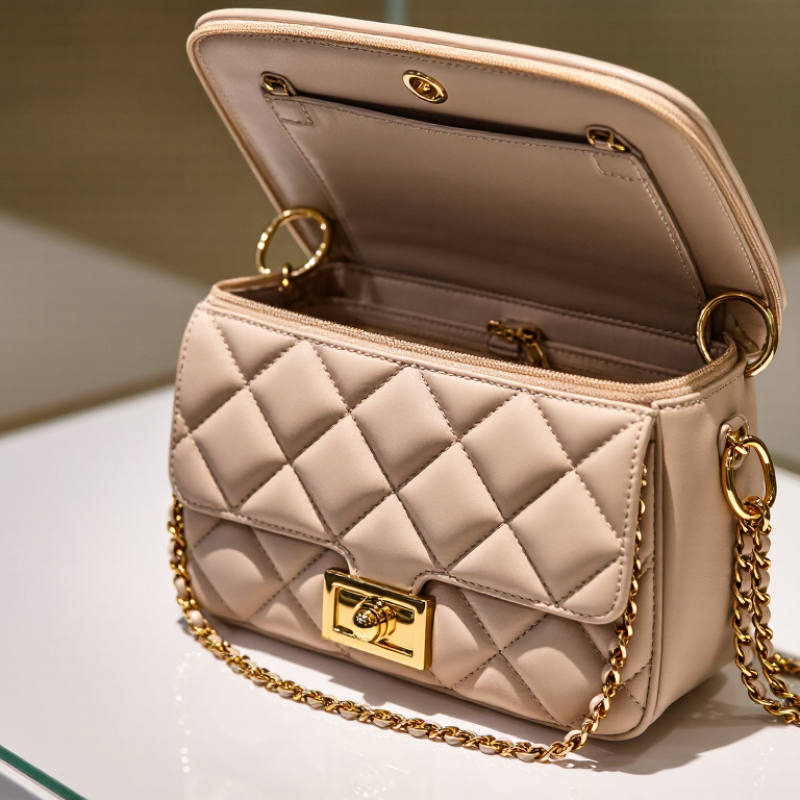
Quilted Shoulder Bags offer brands a tactile way to make familiar silhouettes feel distinctive. Their stitched panels catch light, add visible structure, and create a softer hand-feel than smooth leather or coated fabric. The detail can work across compact crossbody shapes, roomy work bags, and seasonal colors. But quilting is not a strategy by itself. Stitch depth, spacing, lining, and hardware all affect how polished—and durable—the finished bag feels.

The wider category offers useful context. Grand View Research estimated the global handbag market at about US$56.5 billion in 2023, with projected annual growth of 6.7% from 2024 to 2030. That forecast covers handbags broadly, not quilted styles alone, so it signals category scale rather than guaranteed demand for a specific design. Brands still need customer interviews, sample testing, and price checks. A beautiful sample can disappoint when it feels heavy on the shoulder.

Gabrielle “Coco” Chanel, whose design legacy helped popularize quilted handbags, is often credited with the line, “Luxury must be comfortable, otherwise it is not luxury.” The attribution is widely repeated, though its original source is difficult to verify. The principle remains practical: test a bag with a phone, keys, and a wallet inside, then wear it for a full afternoon. Small details matter. For a brand, the opportunity lies in balancing recognizable texture with useful compartments, reliable construction, and a clear point of view. Quilted Shoulder Bags can earn a place in a collection—but only when the stitching serves the wearer, not just the product photograph.
Why Choose Quilted Shoulder Bags for Your Brand?

What Defines a Quilted Shoulder Bag?

A quilted shoulder bag is defined by its construction, not simply its padded appearance. Stitching passes through the outer material and inner layers, creating raised channels, squares, or diamond shapes. These seams help hold the padding in place and give the surface a tactile, structured look. A shoulder strap completes the practical design, leaving the wearer’s hands free. The result can feel soft without appearing shapeless. But quilting may add bulk, a detail that is easy to overlook when choosing materials.

For a brand, quilting offers room to vary texture, stitch scale, and silhouette while keeping the bag’s basic function familiar. Grand View Research estimated the global handbag market at USD 52.3 billion in 2022, with projected annual growth of 6.1% from 2023 to 2030. This figure covers handbags broadly, not quilted styles alone; it signals category opportunity, not guaranteed demand for one design. Sampling matters. A small diamond pattern may look refined on a compact bag, yet feel crowded on a larger panel.

Tip: Test a filled sample. Check strap comfort, seam consistency, and how the bag holds its shape after repeated use.

How Quilting Shapes the Bag’s Structure and Appearance

Quilting gives a shoulder bag more than a decorative surface. Stitch lines hold the outer fabric and padding together, creating a panel that feels steadier than a loose, single layer. Diamond and channel patterns also change how the bag catches light. Raised sections look soft and dimensional, while flatter stitching gives a cleaner, more restrained finish. The pattern affects the mood.

Construction details matter. Dense stitching can help limit padding movement, but it may make a panel feel firm. Wider quilted sections usually look puffier, though they can lose shape under a heavy load. A structured lining, reinforced strap points, and well-finished seams help the bag keep its form during everyday use. Quilting alone cannot do all that. It is easy to overestimate its support.

Tips: Check the sample when filled with typical daily items. Look closely at the corners, strap attachments, and stitch consistency. These small details reveal whether the design balances softness with practical structure. Also compare the bag in natural light; glossy fabric can make the quilting appear deeper than it really is. That can be surprising.

Why Choose Quilted Shoulder Bags for Your Brand?

How quilting shapes a bag panel’s structure and appearance

In this simplified construction example, a quilted panel combines face fabric, batting, and lining; a basic unquilted panel combines shell fabric and lining. Stitching holds the quilted layers together, creating a padded surface and a visible stitched pattern. Actual bag designs and materials vary.

What Practical Benefits Do Quilted Shoulder Bags Offer?

Quilted shoulder bags offer everyday function beyond their soft, textured look. Light padding helps the bag hold its shape when it carries a phone, wallet, keys, and a small notebook. It may also soften minor bumps, though it should not be treated as dedicated protection for fragile electronics. A shoulder strap keeps both hands free for commuting, shopping, or carrying a coffee. That matters daily.

The quilted surface adds texture without relying on heavy hardware or complicated decoration. Depending on the fabric and stitch pattern, it can make small creases less noticeable and give a plain silhouette more visual depth. Interior pockets can separate loose items, while a secure closure helps keep contents in place during movement. For practical use, check pocket size with real objects; a pocket that looks generous in a drawing may not fit a phone with a case.

There are trade-offs. Extra padding can make a bag bulkier, and closely spaced stitching may collect dust or need gentle cleaning. Not flawless, though. When reviewing a sample, inspect whether the quilting lines stay even around corners and whether strap attachments feel firmly reinforced. These details affect comfort and durability more than appearance alone. A lighter construction may suit daily errands, while thicker padding can feel cumbersome after several hours.

How Can Quilted Bags Strengthen a Brand’s Identity?

Quilting gives a shoulder bag a recognizable surface before a customer notices its label. Repeated channels, diamonds, or soft geometric panels create visual rhythm across a shop display. A carefully chosen pattern can echo a brand’s character: crisp lines may feel practical, while rounded padding can appear relaxed. Even the thread color matters. A close match looks quiet; contrast stitching draws the eye to each seam.

These details also shape how the bag feels in use. Light padding can soften contact against the shoulder, while a structured panel may help the bag keep its outline. Small cues matter. For a consistent identity, teams can repeat a signature stitch width, fabric tone, or edge finish across different sizes. Still, quilting is not automatically distinctive. A familiar pattern may look generic, and heavy padding can make a bag bulky or harder to style. Reviewing a physical sample helps reveal issues that drawings miss, such as uneven channels or seams that catch the light oddly. The first sample may need revision. That is useful feedback, not failure. A strong design balances a recognizable look with comfort, durability, and everyday function.

Why Choose Quilted Shoulder Bags for Your Brand? – How Can Quilted Bags Strengthen a Brand’s Identity?

Brand Identity Dimension Quilted Bag Design Cue How It Can Support Brand Identity Practical Design Application What to Evaluate
Visual recognition Repeating stitched lines or geometric patterns create a distinctive surface. A consistent, recognizable pattern can help a product stand out in photos, displays, and everyday use. Use a repeatable quilting layout across selected bag styles while keeping proportions and placement consistent. Pattern consistency across samples, product images, and production runs.
Brand personality Pattern scale, stitching density, fabric, and color influence the bag’s overall appearance. These design choices can communicate different visual qualities, such as understated, playful, structured, or contemporary. Choose quilting and color combinations that align with the intended customer and product range. Whether the materials, colors, and finish match the intended brand style.
Tactile experience Raised stitching and padded sections add texture and dimension. A distinctive hand-feel can make the bag more memorable during browsing and use. Compare padding thickness and stitch definition using physical samples before finalizing specifications. Texture, comfort against the body, and consistency of padding.
Product differentiation Quilting can be combined with different silhouettes, handles, closures, and pockets. It provides a design feature that can distinguish a shoulder bag without relying only on color or decoration. Pair a recognizable quilt pattern with a practical shape and clearly defined functional details. Distinctiveness alongside comfort, capacity, and ease of access.
Perceived craftsmanship Even stitching, aligned seams, and neatly finished edges are visible quality cues. Careful construction can support an impression of attention to detail. Set clear quality standards for stitch spacing, seam alignment, and edge finishing. Stitch regularity, seam strength, and finish quality across inspected units.
Functional value Padded construction can add structure and may provide light cushioning for contents. Combining appearance with useful features helps the design serve everyday needs as well as visual goals. Specify suitable lining, pocket placement, strap drop, and closure for the intended use. Capacity, weight, strap comfort, pocket usability, and closure performance.
Collection consistency A shared quilting motif can be adapted across sizes or related bag shapes. Repeating a design detail can create a visual connection between products in a collection. Keep the core pattern recognizable while adjusting dimensions and features for each style. How clearly the products relate to one another while remaining easy to tell apart.
Responsible material choices Quilted construction can be made with a range of shell fabrics, linings, and padding materials. Material selection can reflect a brand’s documented sourcing and product-care priorities. Confirm material composition, supplier documentation, care instructions, and durability requirements. Traceable material information, care needs, and performance after use.

Design outcomes depend on materials, construction, and execution. Evaluate samples and production specifications before making performance or sustainability claims.

What Should Brands Consider When Choosing a Quilted Bag?

A quilted shoulder bag can look soft and polished, but its appeal depends on more than surface stitching. Brands should assess how the bag performs when filled, carried, and handled repeatedly. Textile Exchange’s Materials Market Report 2024 estimated global fiber production at 124 million tonnes in 2023. Polyester accounted for 57% of that total. This context makes material choice worth examining: ask suppliers about fiber composition, recycled content claims, and supporting documentation.

Check the quilting sample closely. Are the channels evenly spaced? Does the padding shift when the bag is squeezed? A neat showroom sample may hide weak seams, so test production-like units with realistic contents.

Test it filled. Review abrasion, colorfastness, seam strength, and strap attachment. Also consider strap drop, opening width, lining access, and whether a phone or small wallet fits without distorting the silhouette.

Construction affects both appearance and cost. Dense stitching can create a crisp texture, yet may add labor or make repairs harder. Ask for the expected production tolerance and inspect several samples, not just one. Small details matter. A slightly uneven quilt line may be acceptable, but inconsistent padding can make an entire batch look tired. Balance the desired softness with dependable structure, practical capacity, and clear material traceability.

FAQS

How does quilting change a shoulder bag’s appearance?

Stitching creates raised or flatter areas that change how light falls across the fabric. Diamond patterns can look soft and dimensional; channels often feel more restrained.

Does quilting alone make a bag sturdy?

No. A structured lining, reinforced strap points, and finished seams also help the bag keep its shape. Quilting can add support, but it is easy to overestimate.

How can I check whether padding shifts?

Squeeze the panel and inspect it for uneven areas. Test a production-like sample with everyday items inside. Test it filled.

What should I inspect on a quilted sample?

Check stitch spacing, corners, seams, and strap attachments. Small flaws may reveal inconsistent construction, though one sample cannot tell the whole story.

Can wider quilted sections affect the bag’s shape?

They can look puffier, but may lose shape under a heavy load. Try the bag with realistic contents before judging its silhouette.

How does dense stitching affect a bag?

It can create a crisp texture and help limit padding movement. It may also make the panel firmer, add production work, or complicate repairs.

What practical details should I test before choosing a design?

Check the strap drop, opening width, and lining access. See whether a phone and small wallet fit without distorting the bag.

Why compare a quilted bag in natural light?

Glossy fabric can make the stitching appear deeper than it is. That can be surprising. The effect is easy to misread.

What material details should suppliers explain?

Ask about fiber composition, recycled-content claims, and supporting documentation. Clear records help, though they do not answer every question about the finished bag.

Conclusion

Quilted Shoulder Bags combine a distinctive padded surface with the everyday ease of a shoulder-carry design. Their stitched patterns can add texture and visual depth, while the quilting may help the bag hold its shape and create a soft, cushioned feel. Depending on the materials and construction, these bags can offer practical storage, comfortable carrying, and versatility for a range of daily settings.

For a brand, quilting can provide a recognizable design detail that supports a consistent visual identity without relying on bold decoration. When choosing a quilted bag, consider the desired silhouette, fabric, stitching quality, weight, strap comfort, pocket layout, and intended use. Balancing appearance with durability and functionality can help create a bag that feels cohesive, useful, and appealing to its intended audience.

Ethan

Ethan

Ethan is a professional marketing specialist dedicated to helping businesses better understand the value, performance, and practical applications of our products. With a strong background in market research, content strategy, customer communication, and product education, he combines industry......