
Choosing PU Leather Shoulder Bags is easier when you look beyond color and price. A smooth finish may catch your eye, but the bag’s weight, stitching, lining, and strap adjustment shape daily comfort. Check the seams near the strap anchors. Open the bag and inspect the lining, pockets, and zipper. Small details matter.
A transparent note: the expert voice below is a fictional composite, not a real interview or sourced quotation. Materials specialist “Mara Ellis” offers this guiding thought: “A good bag should feel right in your hand and hold up to the routine you actually have.” Treat that as a practical prompt, not a guarantee of durability. PU materials vary, and product descriptions do not always reveal how a bag will age.
This guide’s ten tips will help you compare construction, capacity, closure, comfort, care needs, and value. Picture your usual day: a phone, keys, a wallet, perhaps a small notebook. Will they fit without stretching the shape? Try to assess the bag as you would use it, not just as it appears in a product photo. There is no perfect choice. Even a careful buyer can miss a detail, so check the return information and care instructions before deciding. A little skepticism helps.
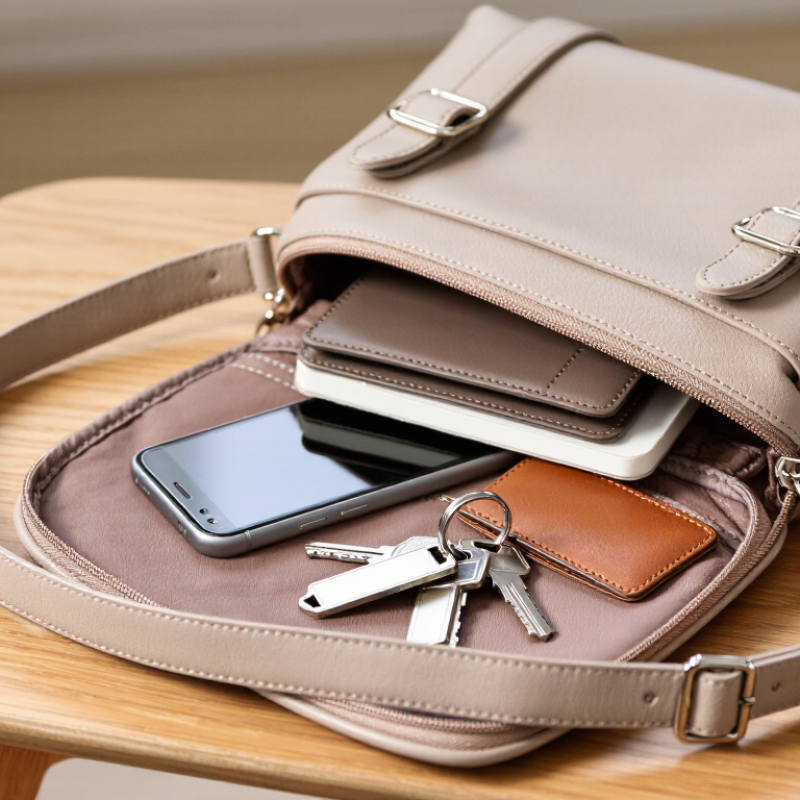
PU leather is usually made by applying a polyurethane coating to a textile backing. The fabric supports the bag, while the coating creates a smooth, leather-like surface. Its texture may look even and slightly glossy, or include a grain pattern pressed into the finish. It is not animal leather, and its feel can differ from one bag to another.
That distinction matters. When comparing shoulder bags, check whether the surface feels flexible rather than stiff or plasticky. Run your fingertips across a strap and body panel; rough patches or peeling edges may signal weak finishing. Look at seams and strap attachment points, too. A smooth finish cannot compensate for poor construction. PU leather often resists light splashes and wipes clean with a soft, damp cloth, but it is not waterproof. Avoid soaking it. Heat can make the coating dry or crack over time, so leaving a bag on a sunny car seat is not ideal.
Care is simple, but expectations should stay realistic. PU leather usually needs no conditioning products intended for genuine leather; these can leave residue. A gentle wipe is often enough. One limitation is worth noting. I sometimes judge a bag too quickly by its glossy surface, then notice the strap feels thin under daily weight. Appearance alone tells only part of the story. Inspect the lining, hardware, and handles where the bag will take repeated strain.
| Tip | What to Check | Why It Matters | Practical Check |
|---|---|---|---|
| 1. Understand the material | PU leather usually consists of a polyurethane surface coating applied to a textile backing. It is not animal leather. | Knowing the construction helps set realistic expectations for texture, wear, and care. | Check the product description for the stated surface and backing materials. |
| 2. Inspect the surface finish | Look for an even color and coating, with no obvious bubbles, cracks, peeling edges, or patchy gloss. | Visible flaws can indicate inconsistent finishing or damage that may worsen with use. | View close-up photos in natural-looking light and inspect seams and folded areas. |
| 3. Check flexibility and feel | The material should feel suitable for the bag's shape and intended use, without feeling excessively stiff or flimsy. | A balanced feel can make the bag more comfortable to carry and help it hold its shape. | If shopping in person, gently press the surface; avoid sharply creasing or pulling it. |
| 4. Examine stitching and seams | Look for even stitches, secure thread ends, neatly finished edges, and no gaps where panels meet. | Seams and attachment points experience repeated stress during everyday use. | Pay particular attention to the strap ends, corners, and top opening. |
| 5. Assess the shoulder strap | Consider strap width, length, adjustability, padding, and how securely it attaches to the bag. | A suitable strap improves comfort and helps the bag sit at a practical height. | Compare the listed strap drop with where you prefer a shoulder bag to rest. |
| 6. Match size to your essentials | Check the bag's measurements and interior layout against the items you normally carry. | Exterior dimensions do not always show how much usable space is available inside. | Measure a frequently carried item, such as a phone or small tablet, and compare it with the interior dimensions. |
| 7. Review the lining and compartments | Check the lining material, pocket placement, closure design, and whether the compartments suit your routine. | A practical interior makes belongings easier to organize and access. | Look for clear interior photos and confirm how the main compartment closes. |
| 8. Test the hardware and closure | Inspect zippers, snaps, buckles, and rings for smooth movement and secure attachment. | Hardware affects everyday function and can place stress on the surrounding material. | If possible, open and close each fastener several times without forcing it. |
| 9. Consider care and storage | Check the care instructions. PU surfaces are generally best kept away from prolonged heat, direct sunlight, and harsh cleaners. | Heat, moisture, and unsuitable cleaning products may contribute to surface deterioration over time. | Use a soft, slightly damp cloth only when appropriate, and follow the maker's care guidance. |
| 10. Compare details, not just appearance | Review construction photos, material details, dimensions, return terms, and available care information. | A polished look alone does not indicate how well a bag is constructed or whether it fits your needs. | Compare several options using the same checklist before deciding. |
Note: PU leather quality and performance vary by construction and care. Check the product's material and care information before purchase.
It usually has a polyurethane coating over a textile backing. The fabric supports the bag, while the coating creates a leather-like surface. Not animal leather.
Run your fingertips over the body and strap. Look for rough patches, peeling edges, uneven color, or sharp creases. A glossy finish can hide flaws.
Check the strap anchors, side seams, and top edge. Thread should sit evenly, without loose loops or skipped stitches. Look inside, too.
Open and close the zipper several times. It should move without catching the lining. Check that buckles feel secure and metal rings do not wobble.
A faint smell can be normal, but a strong odor may linger. If possible, inspect the bag in person. Smell alone is not a perfect test.
Wipe it gently with a soft, damp cloth. Avoid soaking it, direct heat, and leather conditioners that may leave residue. Simple care works.
A structured bag can keep a notebook upright. A softer shape pairs easily with relaxed clothes. Try the strap over your usual jacket; it may pinch over a thick coat.
Check that your phone, keys, wallet, and water bottle fit without stretching the seams. A zipper may suit crowded commutes, while an open pocket keeps transit cards handy. I sometimes misjudge this; a bag can look great and feel awkward after an hour.
Choosing the right PU Leather Shoulder Bags starts with understanding the material. PU leather is a synthetic alternative to genuine leather, and its appearance, texture, and finish can vary. Examine the surface for an even finish, check that stitching is neat and secure, and test zippers, clasps, and other hardware for smooth operation. Consider how much you typically carry when selecting a size, and look for a comfortable, adjustable strap and compartments that make everyday items easy to organize.
A bag should also suit your personal style and daily routine, whether you need a simple option for errands or a more structured design for work. Compare prices alongside construction and expected durability rather than choosing by cost alone. Before buying, review the care requirements, since gentle cleaning and proper storage can help maintain the bag’s appearance. Balancing quality, comfort, function, and upkeep makes it easier to find a shoulder bag you will enjoy using.